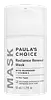
This brightening overnight mask is formulated around Niacinamide and Arbutin to brighten dull-looking skin and fade the look of dark spots.

What's inside
What's inside
 Key Ingredients
Benefits
Concerns
Ingredients Side-by-side
Water
Skin ConditioningButylene Glycol
Humectant

Glycerin
Humectant
Dimethicone
Emollient
Niacinamide
Smoothing









Olea Europaea Fruit Oil
Masking





Hydroxyethyl Acrylate/Sodium Acryloyldimethyl Taurate Copolymer
Emulsion StabilisingCarrageenan

Arbutin
Antioxidant

Magnesium Ascorbyl Phosphate
Antioxidant
Sodium Hyaluronate Crosspolymer
Humectant
Arctostaphylos Uva Ursi Leaf Extract
Skin Conditioning
Allantoin
Skin Conditioning
Isohexadecane
EmollientEchium Plantagineum Seed Oil
Skin Conditioning
Salix Alba Bark Extract
Astringent
Hydrogenated Lecithin
Emulsifying
Polysorbate 60
Emulsifying
Citric Acid
Buffering
Xanthan Gum
EmulsifyingHydrogenated Phosphatidylcholine
Emulsifying
Phenoxyethanol
Preservative
Potassium Sorbate
Preservative
Sodium Benzoate
Masking
Water, Butylene Glycol, Glycerin, Dimethicone, Niacinamide, Olea Europaea Fruit Oil, Hydroxyethyl Acrylate/Sodium Acryloyldimethyl Taurate Copolymer, Carrageenan, Arbutin, Magnesium Ascorbyl Phosphate, Sodium Hyaluronate Crosspolymer, Arctostaphylos Uva Ursi Leaf Extract, Allantoin, Isohexadecane, Echium Plantagineum Seed Oil, Salix Alba Bark Extract, Hydrogenated Lecithin, Polysorbate 60, Citric Acid, Xanthan Gum, Hydrogenated Phosphatidylcholine, Phenoxyethanol, Potassium Sorbate, Sodium Benzoate
Water
Skin ConditioningGlycerin
Humectant
Pentylene Glycol
Skin Conditioning
Hydrolyzed Yeast Extract
Skin ConditioningPyrus Malus Fruit Extract
Skin Conditioning
Dimethicone
Emollient
Propanediol
Solvent
Ceramide AP
Skin Conditioning
1,2-Hexanediol
Skin Conditioning
Glyceryl Glucoside
Humectant
Palmitoyl Tetrapeptide-72 Amide
Skin Conditioning
Sh-Polypeptide-121
Skin Conditioning
Tridecapeptide-1
Skin Conditioning
Polyglucuronic Acid
Skin ConditioningSodium Hyaluronate
Humectant
C9-12 Alkane
SolventAmmonium Polyacryloyldimethyl Taurate
Emulsion StabilisingPolygonum Bistorta Root Extract
Skin ConditioningBacillus Ferment
Skin Conditioning
Lecithin
Emollient
Sodium Phytate
ChelatingCoco-Caprylate/Caprate
Emollient
Hexylene Glycol
EmulsifyingCetyl Hydroxyethylcellulose
Emulsion StabilisingXanthan Gum
EmulsifyingEthylhexylglycerin
Skin ConditioningCaprylyl Glycol
Emollient
Magnesium Chloride
Potassium Sorbate
Preservative
Sodium Benzoate
Masking
Water, Glycerin, Pentylene Glycol, Hydrolyzed Yeast Extract, Pyrus Malus Fruit Extract, Dimethicone, Propanediol, Ceramide AP, 1,2-Hexanediol, Glyceryl Glucoside, Palmitoyl Tetrapeptide-72 Amide, Sh-Polypeptide-121, Tridecapeptide-1, Polyglucuronic Acid, Sodium Hyaluronate, C9-12 Alkane, Ammonium Polyacryloyldimethyl Taurate, Polygonum Bistorta Root Extract, Bacillus Ferment, Lecithin, Sodium Phytate, Coco-Caprylate/Caprate, Hexylene Glycol, Cetyl Hydroxyethylcellulose, Xanthan Gum, Ethylhexylglycerin, Caprylyl Glycol, Magnesium Chloride, Potassium Sorbate, Sodium Benzoate
Reviews
Ingredients Explained
These ingredients are found in both products.
Ingredients higher up in an ingredient list are typically present in a larger amount.
Dimethicone is a type of synthetic silicone created from natural materials such as quartz. It is also known as polydimethylsiloxane.
What it does:
Dimethicone comes in different viscosities:
Depending on the viscosity, dimethicone has different properties.
Ingredients lists don't always show which type is used, so we recommend reaching out to the brand if you have questions about the viscosity.
This ingredient is unlikely to cause irritation because it does not get absorbed into skin. However, people with silicone allergies should be careful about using this ingredient.
Note: Dimethicone may contribute to pilling. This is because it is not oil or water soluble, so pilling may occur when layered with products. When mixed with heavy oils in a formula, the outcome is also quite greasy.
Learn more about DimethiconeGlycerin (or glycerol) is a compound naturally found in your skin. It's a powerhouse humectant that pulls water into the stratum corneum.
Topically, glycerin does several things at once:
Your skin makes glycerin on its own (mostly from sebaceous oil breakdown) and shuttles it to your outermost layer of skin, or your epidermis, via aquaporin-3.
Aquaporin-3 is a transporter that is essential for normal skin hydration, elasticity, and repair. Interestingly, mice lacking in AQP3 have dry and less elastic skin that can be fully corrected with glycerin.
This ingredient is non-irritating, plays well with almost every ingredient, and works across all skin types. Typical use is anywhere between 3-10% but can go up to 79% in some leave-on products.
Just know very high concentrations (>40%) can feel tacky in low humidity.
Glycerin is the name for this ingredient in American English. British English uses Glycerol/Glycerine.
Learn more about GlycerinPotassium Sorbate is a preservative used to prevent yeast and mold in products. It is commonly found in both cosmetic and food products.
This ingredient comes from potassium salt derived from sorbic acid. Sorbic acid is a natural antibiotic and effective against fungus.
Both potassium sorbate and sorbic acid can be found in baked goods, cheeses, dried meats, dried fruit, ice cream, pickles, wine, yogurt, and more.
You'll often find this ingredient used with other preservatives.
Learn more about Potassium SorbateSodium Benzoate is a preservative. It's used in both cosmetic and food products to inhibit the growth of mold and bacteria. It is typically produced synthetically.
Both the US FDA and EU Health Committee have approved the use of sodium benzoate. In the US, levels of 0.1% (of the total product) are allowed.
Sodium benzoate works as a preservative by inhibiting the growth of bacteria inside of cells. It prevents the cell from fermenting a type of sugar using an enzyme called phosphofructokinase.
It is the salt of benzoic acid. Foods containing sodium benzoate include soda, salad dressings, condiments, fruit juices, wines, and snack foods.
Studies for using ascorbic acid and sodium benzoate in cosmetics are lacking, especially in skincare routines with multiple steps.
We always recommend speaking with a professional, such as a dermatologist, if you have any concerns.
Learn more about Sodium BenzoateWater. It's the most common cosmetic ingredient of all. You'll usually see it at the top of ingredient lists, meaning that it makes up the largest part of the product.
So why is it so popular? Water most often acts as a solvent - this means that it helps dissolve other ingredients into the formulation.
You'll also recognize water as that liquid we all need to stay alive. If you see this, drink a glass of water. Remember to stay hydrated!
Learn more about WaterXanthan gum is used as a stabilizer and thickener within cosmetic products. It helps give products a sticky, thick feeling - preventing them from being too runny.
On the technical side of things, xanthan gum is a polysaccharide - a combination consisting of multiple sugar molecules bonded together.
Xanthan gum is a pretty common and great ingredient. It is a natural, non-toxic, non-irritating ingredient that is also commonly used in food products.
Learn more about Xanthan Gum

