

What's inside
What's inside
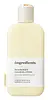 Key Ingredients
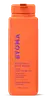
Benefits
Concerns
Ingredients Side-by-side
Water
Skin ConditioningGlycerin
Humectant


Propanediol
Solvent
Caprylic/Capric Triglyceride
Masking
Cetyl Ethylhexanoate
Emollient1,2-Hexanediol
Skin Conditioning
Glyceryl Stearate
Emollient

Phenyl Trimethicone
Skin Conditioning
C14-22 Alcohols
Emulsion Stabilising
Polysorbate 60
Emulsifying
Arginine
Masking
Coptis Japonica Root Extract
Skin ConditioningCarbomer
Emulsion StabilisingButylene Glycol
Humectant
Corchorus Olitorius Leaf Extract
Skin ConditioningDaucus Carota Sativa Root Extract
Skin Conditioning
Ilex Paraguariensis Leaf Extract
Perfuming
Borago Officinalis Extract
Emollient
C12-20 Alkyl Glucoside
EmulsifyingCentella Asiatica Extract
Cleansing


Glucose
Humectant
Polyglyceryl-10 Laurate
Skin Conditioning
Ethylhexylglycerin
Skin ConditioningTripeptide-1
Skin Conditioning
Copper Tripeptide-1
Skin Conditioning
Palmitoyl Pentapeptide-4
Skin Conditioning
Palmitoyl Tripeptide-1
Skin Conditioning
Hexapeptide-9
Skin Conditioning
Hexapeptide-11
Skin Conditioning
Acetyl Tetrapeptide-2
Skin Conditioning
Acetyl Tetrapeptide-5
Humectant
Palmitoyl Tripeptide-5
Skin Conditioning
Water, Glycerin, Propanediol, Caprylic/Capric Triglyceride, Cetyl Ethylhexanoate, 1,2-Hexanediol, Glyceryl Stearate, Phenyl Trimethicone, C14-22 Alcohols, Polysorbate 60, Arginine, Coptis Japonica Root Extract, Carbomer, Butylene Glycol, Corchorus Olitorius Leaf Extract, Daucus Carota Sativa Root Extract, Ilex Paraguariensis Leaf Extract, Borago Officinalis Extract, C12-20 Alkyl Glucoside, Centella Asiatica Extract, Glucose, Polyglyceryl-10 Laurate, Ethylhexylglycerin, Tripeptide-1, Copper Tripeptide-1, Palmitoyl Pentapeptide-4, Palmitoyl Tripeptide-1, Hexapeptide-9, Hexapeptide-11, Acetyl Tetrapeptide-2, Acetyl Tetrapeptide-5, Palmitoyl Tripeptide-5
Water
Skin ConditioningIsopropyl Myristate
Emollient



Butylene Glycol
Humectant
Ammonium Polyacryloyldimethyl Taurate
Emulsion StabilisingSuccinic Acid
BufferingSalix Alba Bark Extract
Astringent

Parfum
Masking
Geraniol
Perfuming
Limonene
Perfuming
Linalool
Perfuming
Alpha-Isomethyl Ionone
Perfuming
Coumarin
Perfuming
Glycerin
Humectant
Diglycerin
Humectant
Sodium Hydroxide
BufferingPhenoxyethanol
Preservative
Benzyl Alcohol
Perfuming
Squalane
Emollient
Sphingolipids
Emollient
Ceramide NP
Skin Conditioning
Zinc Gluconate
Skin Conditioning


Tanacetum Annuum Flower Oil
Masking
Sorbitan Isostearate
Emulsifying
Polysorbate 60
Emulsifying
Hydroxyethyl Acrylate/Sodium Acryloyldimethyl Taurate Copolymer
Emulsion StabilisingWater, Isopropyl Myristate, Butylene Glycol, Ammonium Polyacryloyldimethyl Taurate, Succinic Acid, Salix Alba Bark Extract, Parfum, Geraniol, Limonene, Linalool, Alpha-Isomethyl Ionone, Coumarin, Glycerin, Diglycerin, Sodium Hydroxide, Phenoxyethanol, Benzyl Alcohol, Squalane, Sphingolipids, Ceramide NP, Zinc Gluconate, Tanacetum Annuum Flower Oil, Sorbitan Isostearate, Polysorbate 60, Hydroxyethyl Acrylate/Sodium Acryloyldimethyl Taurate Copolymer
Reviews
Ingredients Explained
These ingredients are found in both products.
Ingredients higher up in an ingredient list are typically present in a larger amount.
Butylene Glycol (or BG) is used within cosmetic products for a few different reasons:
Overall, Butylene Glycol is a safe and well-rounded ingredient that works well with other ingredients.
Though this ingredient works well with most skin types, some people with sensitive skin may experience a reaction such as allergic rashes, closed comedones, or itchiness.
Learn more about Butylene GlycolGlycerin (or glycerol) is a compound naturally found in your skin. It's a powerhouse humectant that pulls water into the stratum corneum.
Topically, glycerin does several things at once:
Your skin makes glycerin on its own (mostly from sebaceous oil breakdown) and shuttles it to your outermost layer of skin, or your epidermis, via aquaporin-3.
Aquaporin-3 is a transporter that is essential for normal skin hydration, elasticity, and repair. Interestingly, mice lacking in AQP3 have dry and less elastic skin that can be fully corrected with glycerin.
This ingredient is non-irritating, plays well with almost every ingredient, and works across all skin types. Typical use is anywhere between 3-10% but can go up to 79% in some leave-on products.
Just know very high concentrations (>40%) can feel tacky in low humidity.
Glycerin is the name for this ingredient in American English. British English uses Glycerol/Glycerine.
Learn more about GlycerinPolysorbate 60 is used to help stabilize products. It is a surfactant and emulsifier. These properties help keep ingredients together in a product. Surfactants help reduce surface tension between ingredients with different states, such as liquids and solids. Emulsifiers help prevent oils and waters from separating.
Polysorbate 60 is sorbitol-based and created from the ethoxylation of sorbitan. Ethoxylation is a chemical reaction used to add ethylene oxide. Sorbitan is a the dehydrated version of sorbitol, a sugar found in fruits.
In this case, the 60 comes from reacting 60 units of ethylene oxide with sorbitan.
Polysorbates are commonly used in medicine and foods.
Learn more about Polysorbate 60Water. It's the most common cosmetic ingredient of all. You'll usually see it at the top of ingredient lists, meaning that it makes up the largest part of the product.
So why is it so popular? Water most often acts as a solvent - this means that it helps dissolve other ingredients into the formulation.
You'll also recognize water as that liquid we all need to stay alive. If you see this, drink a glass of water. Remember to stay hydrated!
Learn more about Water

