Olaplex Nº.9 Bond Protector Nourishing Hair Serum Versus The INKEY List PCA Bond Repair Hair Treatment


What's inside
What's inside
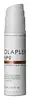 Key Ingredients
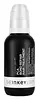
No key ingredients
Benefits
Concerns
Ingredients Side-by-side
Water
Skin ConditioningPropanediol
Solvent

Betaine
Humectant
Quaternium-22
Bis-Aminopropyl Diglycol Dimaleate
Skin ConditioningSodium Hyaluronate
Humectant


Cetrimonium Chloride
Antimicrobial
Panthenol
Skin Conditioning
Hydroxyethylcellulose
Emulsion StabilisingPvp
Emulsion StabilisingGuar Hydroxypropyltrimonium Chloride
Skin ConditioningFurcellaria Lumbricalis Extract
Skin ConditioningPelvetia Canaliculata Extract
Skin Protecting

Xylitylglucoside
Humectant
Polyquaternium-44
Anhydroxylitol
Humectant
Maltitol
HumectantCitric Acid
Buffering


Trisodium Ethylenediamine Disuccinate
ChelatingXylitol
Humectant
Ethylhexylglycerin
Skin ConditioningSodium Hydroxide
BufferingSorbic Acid
Preservative
Phenoxyethanol
Preservative
Sodium Benzoate
Masking
Parfum
Masking


Citral
Perfuming
Citronellol
Perfuming
Hexyl Cinnamal
Perfuming
Limonene
Perfuming
Linalool
Perfuming
Water, Propanediol, Betaine, Quaternium-22, Bis-Aminopropyl Diglycol Dimaleate, Sodium Hyaluronate, Cetrimonium Chloride, Panthenol, Hydroxyethylcellulose, Pvp, Guar Hydroxypropyltrimonium Chloride, Furcellaria Lumbricalis Extract, Pelvetia Canaliculata Extract, Xylitylglucoside, Polyquaternium-44, Anhydroxylitol, Maltitol, Citric Acid, Trisodium Ethylenediamine Disuccinate, Xylitol, Ethylhexylglycerin, Sodium Hydroxide, Sorbic Acid, Phenoxyethanol, Sodium Benzoate, Parfum, Citral, Citronellol, Hexyl Cinnamal, Limonene, Linalool
Water
Skin ConditioningAmodimethicone

Butylene Glycol
Humectant
Betaine
Humectant
Bis-PCA Dimethicone
Sorbitan Laurate
Emulsifying
Cetrimonium Chloride
Antimicrobial
Panthenol
Skin Conditioning
Trideceth-12
EmulsifyingGlycerin
Humectant
PEG-40 Hydrogenated Castor Oil
Emulsifying
Sodium Benzoate
Masking
Hydrolyzed Pea Protein Pg-Propyl Silanetriol
Skin ConditioningAminomethyl Propanol
BufferingAloe Barbadensis Leaf Juice Powder
Skin Conditioning
Disodium PEG-12 Dimethicone Sulfosuccinate
Cleansing
Potassium Sorbate
Preservative
Citric Acid
Buffering
Polyglyceryl-4 Laurate
Emulsifying
Alcohol
Antimicrobial

Helianthus Annuus Seed Extract
Skin Conditioning
Dilauryl Citrate
EmollientPhenoxyethanol
Preservative
Avena Strigosa Seed Extract
Skin ConditioningLecithin
Emollient
Water, Amodimethicone, Butylene Glycol, Betaine, Bis-PCA Dimethicone, Sorbitan Laurate, Cetrimonium Chloride, Panthenol, Trideceth-12, Glycerin, PEG-40 Hydrogenated Castor Oil, Sodium Benzoate, Hydrolyzed Pea Protein Pg-Propyl Silanetriol, Aminomethyl Propanol, Aloe Barbadensis Leaf Juice Powder, Disodium PEG-12 Dimethicone Sulfosuccinate, Potassium Sorbate, Citric Acid, Polyglyceryl-4 Laurate, Alcohol, Helianthus Annuus Seed Extract, Dilauryl Citrate, Phenoxyethanol, Avena Strigosa Seed Extract, Lecithin
Reviews
Ingredients Explained
These ingredients are found in both products.
Ingredients higher up in an ingredient list are typically present in a larger amount.
Betaine is a humectant. Like hyaluronic acid, it helps attract and retain moisture in the skin. It’s known for being gentle and for helping the skin maintain balanced hydration.
Betaine is mainly used to improve hydration and support calmer skin. It helps skin cells regulate water balance because it functions as an osmolyte.
Some studies suggest betaine may support making skin tone more even.
Fun fact: Betaine naturally exists in the skin and the body. In cosmetic products, it can be either plant-derived (most commonly from sugar beets) or synthetically produced for consistency and stability.
Betaine is also known as trimethylglycine.
Learn more about BetaineThis ingredient is a preservative, antimicrobial, and emulsifier. It is often used in cosmetics for its ability to cleanse, condition, and reduce static.
Cetrimonium chloride is a quaternary ammonium salt, meaning it has a water-soluble structure.
Citric Acid is an alpha hydroxy acid (AHA) naturally found in citrus fruits like oranges, lemons, and limes.
Like other AHAs, citric acid can exfoliate skin by breaking down the bonds that hold dead skin cells together. This helps reveal smoother and brighter skin underneath.
However, this exfoliating effect only happens at high concentrations (20%) which can be hard to find in cosmetic products.
Due to this, citric acid is usually included in small amounts as a pH adjuster. This helps keep products slightly more acidic and compatible with skin's natural pH.
In skincare formulas, citric acid can:
While it can provide some skin benefits, research shows lactic acid and glycolic acid are generally more effective and less irritating exfoliants.
Most citric acid used in skincare today is made by fermenting sugars (usually from molasses). This synthetic version is identical to the natural citrus form but easier to stabilize and use in formulations.
Rosacea skin has a lower threshold for acids generally, with 62.5% of rosacea subjects in one study reacting to lactic acid in a sting test. This is why we mark citric acid as a potential rosacea trigger.
However, this ingredient shows up as a pH adjuster or chelator at roughly 0.1-1% in many products. These low levels are unlikely to be an issue for rosacea skin and becomes a potential trigger at exfoliating concentrations (20%). Because everybody's skin is unique, we recommend a patch test if you are unsure.
Learn more about Citric AcidPanthenol is a common ingredient that helps hydrate and soothe the skin. It is found naturally in our skin and hair.
There are two forms of panthenol: D and L.
D-panthenol is also known as dexpanthenol. Most cosmetics use dexpanthenol or a mixture of D and L-panthenol.
Panthenol is famous due to its ability to go deeper into the skin's layers. Using this ingredient has numerous pros (and no cons):
Like hyaluronic acid, panthenol is a humectant. Humectants are able to bind and hold large amounts of water to keep skin hydrated.
This ingredient works well for wound healing. It works by increasing tissue in the wound and helps close open wounds.
Once oxidized, panthenol converts to pantothenic acid. Panthothenic acid is found in all living cells.
This ingredient is also referred to as pro-vitamin B5.
Learn more about PanthenolPhenoxyethanol is one of the most widely used preservatives in skincare (and for good reason!).
It has a large spectrum of antimicrobial activity and especially effective bacteria, yeast, and mold while only having a weak effect on your skin's natural microbiome.
On a cellular level, it disrupts the cell membranes of microbes by poking holes that make the cell leak. This shuts down the chemical reactions the microbe needs to make energy so it can no longer survive.
Another perk of this ingredient is that it stays functional across a wide pH range (3-10).
You'll often see it paired with boosters like Ethylhexylglycerin; one study showed that a 1:9 ratio of Ethylhexylglycerin to Phenoxyethanol damages bacterial membranes as effectively as doubling the Phenoxyethanol concentration on its own.
Typical use concentrations range from 0.3-1% depending on the formula, and this ingredient is capped at 1% int the EU.
Safety-wise, the fear mongering does not hold up to the evidence. The EU's Scientific Committee on Consumer Safety and FDA consider it safe as a preservative at up to 1%, including for children of all ages.
Adverse systemic effects only showed up in animal studies at exposures roughly 200x higher than what people get from cosmetics. And despite its very widespread use, this ingredient is a rare sensitizer and allergic reactions are uncommon.
Learn more about PhenoxyethanolSodium Benzoate is a preservative. It's used in both cosmetic and food products to inhibit the growth of mold and bacteria. It is typically produced synthetically.
Both the US FDA and EU Health Committee have approved the use of sodium benzoate. In the US, levels of 0.1% (of the total product) are allowed.
Sodium benzoate works as a preservative by inhibiting the growth of bacteria inside of cells. It prevents the cell from fermenting a type of sugar using an enzyme called phosphofructokinase.
It is the salt of benzoic acid. Foods containing sodium benzoate include soda, salad dressings, condiments, fruit juices, wines, and snack foods.
Studies for using ascorbic acid and sodium benzoate in cosmetics are lacking, especially in skincare routines with multiple steps.
We always recommend speaking with a professional, such as a dermatologist, if you have any concerns.
Learn more about Sodium BenzoateWater. It's the most common cosmetic ingredient of all. You'll usually see it at the top of ingredient lists, meaning that it makes up the largest part of the product.
So why is it so popular? Water most often acts as a solvent - this means that it helps dissolve other ingredients into the formulation.
You'll also recognize water as that liquid we all need to stay alive. If you see this, drink a glass of water. Remember to stay hydrated!
Learn more about Water

