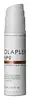
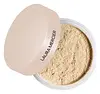
Olaplex Nº.9 Bond Protector Nourishing Hair Serum Versus Laura Mercier Ultra Blur Translucent Lose Setting Powder


What's inside
What's inside
 Key Ingredients
Benefits
Concerns
Ingredients Side-by-side
Water
Skin ConditioningPropanediol
Solvent

Betaine
Humectant
Quaternium-22
Bis-Aminopropyl Diglycol Dimaleate
Skin ConditioningSodium Hyaluronate
Humectant


Cetrimonium Chloride
Antimicrobial
Panthenol
Skin Conditioning
Hydroxyethylcellulose
Emulsion StabilisingPvp
Emulsion StabilisingGuar Hydroxypropyltrimonium Chloride
Skin ConditioningFurcellaria Lumbricalis Extract
Skin ConditioningPelvetia Canaliculata Extract
Skin Protecting

Xylitylglucoside
Humectant
Polyquaternium-44
Anhydroxylitol
Humectant
Maltitol
HumectantCitric Acid
Buffering


Trisodium Ethylenediamine Disuccinate
ChelatingXylitol
Humectant
Ethylhexylglycerin
Skin ConditioningSodium Hydroxide
BufferingSorbic Acid
Preservative
Phenoxyethanol
Preservative
Sodium Benzoate
Masking
Parfum
Masking


Citral
Perfuming
Citronellol
Perfuming
Hexyl Cinnamal
Perfuming
Limonene
Perfuming
Linalool
Perfuming
Water, Propanediol, Betaine, Quaternium-22, Bis-Aminopropyl Diglycol Dimaleate, Sodium Hyaluronate, Cetrimonium Chloride, Panthenol, Hydroxyethylcellulose, Pvp, Guar Hydroxypropyltrimonium Chloride, Furcellaria Lumbricalis Extract, Pelvetia Canaliculata Extract, Xylitylglucoside, Polyquaternium-44, Anhydroxylitol, Maltitol, Citric Acid, Trisodium Ethylenediamine Disuccinate, Xylitol, Ethylhexylglycerin, Sodium Hydroxide, Sorbic Acid, Phenoxyethanol, Sodium Benzoate, Parfum, Citral, Citronellol, Hexyl Cinnamal, Limonene, Linalool
Mica
Cosmetic ColorantLauroyl Lysine
Skin Conditioning
Zinc Stearate
Cosmetic ColorantAluminum Starch Octenylsuccinate
Absorbent
Silica
Abrasive

C13-15 Alkane
SolventEthylhexylglycerin
Skin ConditioningHelianthus Annuus Seed Oil
Emollient

Tocopherol
Antioxidant


Sodium Hyaluronate
Humectant
Sorbic Acid
Preservative
Blue 1 Lake
Cosmetic ColorantIron Oxides
CI 77742
Cosmetic ColorantCI 15850
Cosmetic ColorantCI 77891
Cosmetic ColorantCI 77007
Cosmetic ColorantCI 19140
Cosmetic Colorant
Reviews
Ingredients Explained
These ingredients are found in both products.
Ingredients higher up in an ingredient list are typically present in a larger amount.
Ethylhexylglycerin is created from glycerin. It is a multitasker ingredient that:
The CIR Expert Panel found minimal skin absorption or sensitization of any kind in a safety assessment. Though this ingredient is considered well-tolerated, a small number of cases of allergic dermatitis have been published since 2002. Just be sure to patch test if you are unsure.
Industry-reported use ranges from 8% in rinse-off products and 2% in leave-on formulations.
Learn more about EthylhexylglycerinSodium Hyaluronate is the salt form of hyaluronic acid. It is a long sugar chain that is naturally found in your skin, joints, and connective tissue that maintains hydration and elasticity.
In skincare, it works as a humectant. It pulls water from the environment and deeper layers of skin and binds it to the surface.
Interestingly, the size of the molecule affects its behavior:
Some clinical evidence links low molecular weight versions to improved wrinkle depth, elasticity, anti-inflammatory effects, and barrier repair.
Many serums use a blend of both weights so you can get surface hydration plus longer-lasting and deeper effects.
You'll typically see concentrations between 0.1-2% for this ingredient.
Learn more about Sodium HyaluronateSorbic Acid is a preservative that stops your product from spoiling by stopping microbes from growing.
As a preservative, it's kind of a specialist: it has a broad spectrum of activity against yeast and molds but is weaker against bacteria. That's why it's often paired with another preservative to cover that gap.
This ingredient is also pretty picky about pH; it performs best at pH 6.5 or below.
At the right pH level, sorbic acid is "active" and can slip through the outer wall of a microbe. Once inside, it turns the cell's interior more acidic to shut down the microbe from the inside.
The EU caps this ingredient at 0.6% while the CIR has concluded it's safe at concentrations up to 1%. It's most often used around 0.05-0.2% in cosmetics.
Though this ingredient is considered low-sensitizing and well-tolerated, a very small number of people may have a contact allergy to it. Be sure to patch test if you have a history of allergies towards preservatives.
Learn more about Sorbic Acid

