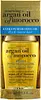
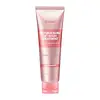
OGX Beauty Renewing + Argan Oil of Morocco Extra Penetrating Oil Versus Kundal Protein Bonding Care No Wash Treatment


What's inside
What's inside
 Key Ingredients
No key ingredients
Benefits
Concerns
Ingredients Side-by-side


Cyclopentasiloxane
Emollient
Water
Skin ConditioningButylene Glycol
Humectant

Dimethiconol
Emollient
Cetyl Alcohol
Emollient



Glycerin
Humectant
Behentrimonium Chloride
Preservative
Stearyl Alcohol
Emollient
Cetrimonium Chloride
Antimicrobial
Isopropyl Alcohol
Solvent



Myristyl Alcohol
Emollient

Rosa Centifolia Flower Extract
Astringent
Caprylyl Glycol
Emollient
Lauryl Alcohol
Emollient
1,2-Hexanediol
Skin Conditioning
Maltodextrin
Absorbent
Hibiscus Sabdariffa Flower Extract
Skin ConditioningTulipa Gesneriana Flower Extract
Skin ConditioningChlorella Ferment
Skin Conditioning
Prunus Amygdalus Dulcis Oil
Skin Conditioning
Pistacia Vera Seed Oil
Skin Conditioning
Gardenia Taitensis Flower Extract
Skin ConditioningAleurites Moluccanus Seed Oil
Skin Conditioning
Macadamia Ternifolia Seed Oil
Emollient
Sclerocarya Birrea Seed Oil
Humectant
Propanediol
Solvent
Polysorbate 20
Emulsifying
Citric Acid
Buffering

Sodium Citrate
BufferingHydrolyzed Soy Protein
Humectant
Hydrolyzed Corn Protein
Skin ConditioningHydrolyzed Wheat Protein
Skin ConditioningGlycine
Buffering
Serine
Masking
Glutamic Acid
Humectant
Benzyl Glycol
SolventAspartic Acid
Masking
Leucine
Skin ConditioningHydrolyzed Glycosaminoglycans
HumectantSodium Hyaluronate
Humectant


Alanine
Masking
Lysine
Skin ConditioningArginine
Masking
Tyrosine
MaskingPhenylalanine
Masking
Proline
Skin Conditioning
Threonine
Valine
MaskingIsoleucine
Skin ConditioningEthylhexylglycerin
Skin ConditioningHistidine
Humectant
Cysteine
Antioxidant
Methionine
Skin ConditioningSodium Hyaluronate Crosspolymer
Humectant
Hydrolyzed Hyaluronic Acid
Humectant
Hydroxypropyltrimonium Hyaluronate
Hyaluronic Acid
Humectant
Sodium Acetylated Hyaluronate
Humectant
Disodium EDTA
ChelatingHydroxyacetophenone
Antioxidant
Chlorphenesin
Antimicrobial
Parfum
Masking

Cyclopentasiloxane, Water, Butylene Glycol, Dimethiconol, Cetyl Alcohol, Glycerin, Behentrimonium Chloride, Stearyl Alcohol, Cetrimonium Chloride, Isopropyl Alcohol, Myristyl Alcohol, Rosa Centifolia Flower Extract, Caprylyl Glycol, Lauryl Alcohol, 1,2-Hexanediol, Maltodextrin, Hibiscus Sabdariffa Flower Extract, Tulipa Gesneriana Flower Extract, Chlorella Ferment, Prunus Amygdalus Dulcis Oil, Pistacia Vera Seed Oil, Gardenia Taitensis Flower Extract, Aleurites Moluccanus Seed Oil, Macadamia Ternifolia Seed Oil, Sclerocarya Birrea Seed Oil, Propanediol, Polysorbate 20, Citric Acid, Sodium Citrate, Hydrolyzed Soy Protein, Hydrolyzed Corn Protein, Hydrolyzed Wheat Protein, Glycine, Serine, Glutamic Acid, Benzyl Glycol, Aspartic Acid, Leucine, Hydrolyzed Glycosaminoglycans, Sodium Hyaluronate, Alanine, Lysine, Arginine, Tyrosine, Phenylalanine, Proline, Threonine, Valine, Isoleucine, Ethylhexylglycerin, Histidine, Cysteine, Methionine, Sodium Hyaluronate Crosspolymer, Hydrolyzed Hyaluronic Acid, Hydroxypropyltrimonium Hyaluronate, Hyaluronic Acid, Sodium Acetylated Hyaluronate, Disodium EDTA, Hydroxyacetophenone, Chlorphenesin, Parfum
Reviews
Ingredients Explained
These ingredients are found in both products.
Ingredients higher up in an ingredient list are typically present in a larger amount.
Cyclopentasiloxane (D5) is a lightweight silicone that mostly acts as an emollient and solvent in cosmetics. Its the reason your products feel silky, fast-spreading, and non-greasy.
Since D5 is volatile, it does its thing and then evaporates off the skin quickly.
The safety profile of this ingredient is reassuring; the US CIR Expert Panel concluded D5 is safe as used in cosmetics and Health Canada concluded that D5 is not harmful to human health or the environment as currently used in cosmetics
There's a study that people mention about D5 in a rat study showing tumors. This study is related to long-term inhalation of high D5 levels.
Regulatory bodies have judged this study to be not applicable in topical skincare since skin absorption of D5 is very low and we're not really inhaling huge amounts of D5.
The only restriction for this ingredient is environmental. The European Chemicals Agency (ECHA) restricted D5 in wash-off cosmetics at or above 0.1% due to their persistence in water.
Learn more about CyclopentasiloxaneDimethiconol is a silicone that resembles the popular dimethicone. Like other silicones, it is an emollient. Emollients create a thin film on skin to prevent moisture from escaping.
This ingredient helps to create a silky texture and improve spreadability. Due to its high molecular weight and thickness, it is often combined with cyclopentasiloxane.
Parfum is a catch-all term for an ingredient or more that is used to give a scent to products.
Also called "fragrance", this ingredient can be a blend of hundreds of chemicals or plant oils. This means every product with "fragrance" or "parfum" in the ingredients list is a different mixture.
For instance, Habanolide is a proprietary trade name for a specific aroma chemical. When used as a fragrance ingredient in cosmetics, most aroma chemicals fall under the broad labeling category of “FRAGRANCE” or “PARFUM” according to EU and US regulations.
The term 'parfum' or 'fragrance' is not regulated in many countries. In many cases, it is up to the brand to define this term.
For instance, many brands choose to label themselves as "fragrance-free" because they are not using synthetic fragrances. However, their products may still contain ingredients such as essential oils that are considered a fragrance by INCI standards.
One example is Calendula flower extract. Calendula is an essential oil that still imparts a scent or 'fragrance'.
Depending on the blend, the ingredients in the mixture can cause allergies and sensitivities on the skin. Some ingredients that are known EU allergens include linalool and citronellol.
Parfum can also be used to mask or cover an unpleasant scent.
The bottom line is: not all fragrances/parfum/ingredients are created equally. If you are worried about fragrances, we recommend taking a closer look at an ingredient. And of course, we always recommend speaking with a professional.
Learn more about Parfum

