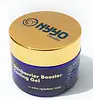
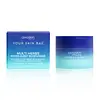
NYYO Cosmetics Skinbarrier Booster Cooling Gel Versus Avoskin Your Skin Bae Multi Herbs Hydro Burst Moisturizer
This barrier-repair moisturizer is formulated around Aloe Barbadensis Leaf Extract and Glycyrrhiza Glabra Root Extract to strengthen the skin barrier and calm redness.
This barrier-repair moisturizer is formulated around Allantoin and Ceramide NP to strengthen the skin barrier and hydrate skin.

What's inside
What's inside
 Key Ingredients
Benefits
Concerns
Ingredients Side-by-side
Water
Skin ConditioningButylene Glycol
Humectant

Aloe Barbadensis Leaf Extract
Emollient

Glycyrrhiza Glabra Root Extract
Bleaching


Centella Asiatica Extract
Cleansing

Hyaluronic Acid
Humectant
Caprylic/Capric Triglyceride
Masking
Artemisia Vulgaris Extract
Skin Conditioning
1,2-Hexanediol
Skin Conditioning
Polyacrylamide
Glycerin
Humectant
Beta-Glucan
Skin Conditioning
Kojic Acid
Antioxidant

C13-14 Isoparaffin
Emollient
Phenoxyethanol
Preservative
Allantoin
Skin Conditioning
Hydrogenated Lecithin
Emulsifying
Cholesterol
Emollient
Alpha-Arbutin
Antioxidant
Sodium DNA
Skin Conditioning
Bakuchiol
Antimicrobial

Deoxyphytantriyl Palmitamide Mea
Skin ConditioningLaureth-7
EmulsifyingCeramide NP
Skin Conditioning
Water, Butylene Glycol, Aloe Barbadensis Leaf Extract, Glycyrrhiza Glabra Root Extract, Centella Asiatica Extract, Hyaluronic Acid, Caprylic/Capric Triglyceride, Artemisia Vulgaris Extract, 1,2-Hexanediol, Polyacrylamide, Glycerin, Beta-Glucan, Kojic Acid, C13-14 Isoparaffin, Phenoxyethanol, Allantoin, Hydrogenated Lecithin, Cholesterol, Alpha-Arbutin, Sodium DNA, Bakuchiol, Deoxyphytantriyl Palmitamide Mea, Laureth-7, Ceramide NP
Water
Skin ConditioningGlycerin
Humectant
Dipropylene Glycol
HumectantButylene Glycol
Humectant
1,2-Hexanediol
Skin Conditioning
Glycereth-26
Humectant
Sodium Acrylates Crosspolymer-2
AbsorbentCaffeine
Skin Conditioning
Phenoxyethanol
Preservative
Betaine
Humectant
Diphenyl Dimethicone
Emollient
Terminalia Ferdinandiana Fruit Extract
Antioxidant
Triethylhexanoin
MaskingHydrogenated Lecithin
Emulsifying
Allantoin
Skin Conditioning
Ethylhexylglycerin
Skin ConditioningBiosaccharide Gum-1
Humectant
Ceramide NP
Skin Conditioning
Dipotassium Glycyrrhizate
Humectant
Sucrose Stearate
EmollientSilica
Abrasive

Glyceryl Acrylate/Acrylic Acid Copolymer
HumectantMelia Azadirachta Flower Extract
Skin ConditioningCitric Acid
Buffering

Melia Azadirachta Leaf Extract
Skin ConditioningStearic Acid
Cleansing
Palmitic Acid
Emollient

Ocimum Sanctum Leaf Extract
Skin ConditioningCurcuma Longa Root Extract
Antioxidant
Coccinia Indica Fruit Extract
Skin Conditioning
Cholesterol
Emollient
Solanum Melongena Fruit Extract
Skin ConditioningAloe Barbadensis Flower Extract
EmollientCorallina Officinalis Extract
Skin Conditioning
Glycosphingolipids
EmollientTocopherol
Antioxidant
Water, Glycerin, Dipropylene Glycol, Butylene Glycol, 1,2-Hexanediol, Glycereth-26, Sodium Acrylates Crosspolymer-2, Caffeine, Phenoxyethanol, Betaine, Diphenyl Dimethicone, Terminalia Ferdinandiana Fruit Extract, Triethylhexanoin, Hydrogenated Lecithin, Allantoin, Ethylhexylglycerin, Biosaccharide Gum-1, Ceramide NP, Dipotassium Glycyrrhizate, Sucrose Stearate, Silica, Glyceryl Acrylate/Acrylic Acid Copolymer, Melia Azadirachta Flower Extract, Citric Acid, Melia Azadirachta Leaf Extract, Stearic Acid, Palmitic Acid, Ocimum Sanctum Leaf Extract, Curcuma Longa Root Extract, Coccinia Indica Fruit Extract, Cholesterol, Solanum Melongena Fruit Extract, Aloe Barbadensis Flower Extract, Corallina Officinalis Extract, Glycosphingolipids, Tocopherol
Ingredients Explained
These ingredients are found in both products.
Ingredients higher up in an ingredient list are typically present in a larger amount.
1,2-Hexanediol is a synthetic liquid and another multi-functional powerhouse.
It is a:
- Humectant, drawing moisture into the skin
- Emollient, helping to soften skin
- Solvent, dispersing and stabilizing formulas
- Preservative booster, enhancing the antimicrobial activity of other preservatives
Allantoin is a soothing ingredient known for its protective and moisturizing properties; it's basically a quiet workhorse ingredient you can find in a huge range of cosmetics.
Though it can be derived from the comfrey plant, allantoin is produced synthetically for cosmetic products to ensure purity.
Research shows it can encourage your skin cells to turn over and renew by stimulating keratinocyte and fibroblast proliferation.
It also has mild keratolytic properties to help loosen and shed dead skin cells without being harsh.
Studies also suggest allantoin can help calm inflammation by dialing down some of the chemical signals your skin sends out when it is irritated.
This ingredient is typically used in the 0.1-0.5% range, and the FDA recognizes it as a skin protectant in OTC products up to 2%.
Overall, allantoin is a wonderful addition to most routines; it is stable across a wide pH range (~4-8), works well with other ingredients, and is considered non-sensitizing/non-irritating.
Fun fact: Allantoin is naturally occurring in comfrey root, beets, chamomile, and wheat sprouts. Our bodies even produce it as a byproduct of uric acid metabolism.
Learn more about AllantoinButylene Glycol (or BG) is used within cosmetic products for a few different reasons:
Overall, Butylene Glycol is a safe and well-rounded ingredient that works well with other ingredients.
Though this ingredient works well with most skin types, some people with sensitive skin may experience a reaction such as allergic rashes, closed comedones, or itchiness.
Learn more about Butylene GlycolCeramide NP (formerly known as Ceramide 3) is one of the skin's naturally occurring lipids.
Since ceramides are the major lipid components of the skin, they are crucial for maintaining skin barrier and hydration. Ceramide NP most closely mirrors the dominant kind in human skin amongst ceramide subtypes.
This ceramide works by slotting into gaps within the stratum corneum's lipid matrix to limit trans-epidermal water loss (TEWL) and shield the skin against external irritants.
A study with 312 patients found that using a ceramide-containing routine for 4 weeks reduced the severity of atopic dermatitis by over 61%.
Another clinical study in subjects aged 60 and older found that a ceramide body wash and moisturizer improved skin dryness and itchy skin in 15 days.
Overall, ceramides are considered non-irritating and safety tests have found little to no observable adverse effects from using this ingredient.
Ceramide NP is usually sourced from plants (like soybean or rice bran), or produced synthetically.
Learn more about Ceramide NPCholesterol is a lipid that is naturally found in human skin and is one of the three key components of your skin barrier. In skincare, it is an emollient and barrier-repairing ingredient.
It works by fitting directly into the lipid layers of skin to help restore structure and reduce transepidermal water loss (TEWL).
This is a great ingredient for dry, compromised, or aging skin; our skin starts to produce less cholesterol with age.
Research shows cholesterol works best in combination with ceramides and fatty acids, the other two major components in your skin barrier.
Cholesterol is also a well-establish penetration enhancer and can help other actives absorb more effectively.
Cosmetic-grade cholesterol is usually derived from lanolin but plant and synthetic options also exist. We recommend reaching out to the brand if you have questions about their source of cholesterol.
Learn more about CholesterolGlycerin (or glycerol) is a compound naturally found in your skin. It's a powerhouse humectant that pulls water into the stratum corneum.
Topically, glycerin does several things at once:
Your skin makes glycerin on its own (mostly from sebaceous oil breakdown) and shuttles it to your outermost layer of skin, or your epidermis, via aquaporin-3.
Aquaporin-3 is a transporter that is essential for normal skin hydration, elasticity, and repair. Interestingly, mice lacking in AQP3 have dry and less elastic skin that can be fully corrected with glycerin.
This ingredient is non-irritating, plays well with almost every ingredient, and works across all skin types. Typical use is anywhere between 3-10% but can go up to 79% in some leave-on products.
Just know very high concentrations (>40%) can feel tacky in low humidity.
Glycerin is the name for this ingredient in American English. British English uses Glycerol/Glycerine.
Learn more about GlycerinHydrogenated Lecithin is a more stable version of lecithin.
It's made by taking lecithin (a phospholipid commonly found in soybeans and egg yolks) and hydrogenating it. This just means the unsaturated fatty acids are turned into saturated ones so they don't go bad as easily.
This ingredient is an emollient, emulsifier, and penetration enhancer. As an emollient, it helps soften and hydrate skin by trapping moisture within. As an emulsifier, it prevents oil and water ingredients from separating.
Hydrogenated Lecithin can form tiny spherical structures made of phospholipid bilayers called liposomes. These liposomes are able to capture compounds inside their structure and deliver them through the skin barrier.
Because phospholipids are a natural component of our cell membranes, this ingredient is inherently compatible with skin.
A 2021 study found lecithin-based surfactants were less harsh and more tolerable comared to Sodium Lauryl Sulfate (SLS).
Learn more about Hydrogenated LecithinPhenoxyethanol is one of the most widely used preservatives in skincare (and for good reason!).
It has a large spectrum of antimicrobial activity and especially effective bacteria, yeast, and mold while only having a weak effect on your skin's natural microbiome.
On a cellular level, it disrupts the cell membranes of microbes by poking holes that make the cell leak. This shuts down the chemical reactions the microbe needs to make energy so it can no longer survive.
Another perk of this ingredient is that it stays functional across a wide pH range (3-10).
You'll often see it paired with boosters like Ethylhexylglycerin; one study showed that a 1:9 ratio of Ethylhexylglycerin to Phenoxyethanol damages bacterial membranes as effectively as doubling the Phenoxyethanol concentration on its own.
Typical use concentrations range from 0.3-1% depending on the formula, and this ingredient is capped at 1% int the EU.
Safety-wise, the fear mongering does not hold up to the evidence. The EU's Scientific Committee on Consumer Safety and FDA consider it safe as a preservative at up to 1%, including for children of all ages.
Adverse systemic effects only showed up in animal studies at exposures roughly 200x higher than what people get from cosmetics. And despite its very widespread use, this ingredient is a rare sensitizer and allergic reactions are uncommon.
Learn more about PhenoxyethanolWater. It's the most common cosmetic ingredient of all. You'll usually see it at the top of ingredient lists, meaning that it makes up the largest part of the product.
So why is it so popular? Water most often acts as a solvent - this means that it helps dissolve other ingredients into the formulation.
You'll also recognize water as that liquid we all need to stay alive. If you see this, drink a glass of water. Remember to stay hydrated!
Learn more about Water

