

What's inside
What's inside
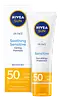 Key Ingredients
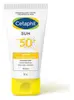
Benefits
Concerns
Ingredients Side-by-side
Water
Skin ConditioningHomosalate
Skin Conditioning

Alcohol Denat.
Antimicrobial




Butyl Methoxydibenzoylmethane
UV Absorber
Bis-Ethylhexyloxyphenol Methoxyphenyl Triazine
Skin Conditioning
Hexyl Salicylate
Masking
Dibutyl Adipate
EmollientEthylhexyl Triazone
UV Absorber
Copernicia Cerifera Wax

Panthenol
Skin Conditioning




Glycerin
Humectant
Silica
Abrasive


Vp/Hexadecene Copolymer
Microcrystalline Cellulose
AbsorbentSucrose Polystearate
EmollientTetrasodium Iminodisuccinate
Cellulose Gum
Emulsion StabilisingButylene Glycol Dicaprylate/Dicaprate
EmollientDistarch Phosphate
AbsorbentPhenylbenzimidazole Sulfonic Acid
UV Absorber
Polyglyceryl-4 Isostearate
Emulsifying
Acrylates/C10-30 Alkyl Acrylate Crosspolymer
Emulsion StabilisingSodium Stearoyl Glutamate
CleansingEthylhexylglycerin
Skin ConditioningCaprylyl Glycol
Emollient
Hydrogenated Polyisobutene
EmollientTrisodium EDTA
Xanthan Gum
EmulsifyingSodium Hydroxide
BufferingSimmondsia Chinensis Seed Oil
Emollient
Tocopheryl Acetate
Antioxidant


Aloe Barbadensis Leaf Juice Powder
Skin Conditioning
Sodium Chloride
MaskingWater, Homosalate, Alcohol Denat., Butyl Methoxydibenzoylmethane, Bis-Ethylhexyloxyphenol Methoxyphenyl Triazine, Hexyl Salicylate, Dibutyl Adipate, Ethylhexyl Triazone, Copernicia Cerifera Wax, Panthenol, Glycerin, Silica, Vp/Hexadecene Copolymer, Microcrystalline Cellulose, Sucrose Polystearate, Tetrasodium Iminodisuccinate, Cellulose Gum, Butylene Glycol Dicaprylate/Dicaprate, Distarch Phosphate, Phenylbenzimidazole Sulfonic Acid, Polyglyceryl-4 Isostearate, Acrylates/C10-30 Alkyl Acrylate Crosspolymer, Sodium Stearoyl Glutamate, Ethylhexylglycerin, Caprylyl Glycol, Hydrogenated Polyisobutene, Trisodium EDTA, Xanthan Gum, Sodium Hydroxide, Simmondsia Chinensis Seed Oil, Tocopheryl Acetate, Aloe Barbadensis Leaf Juice Powder, Sodium Chloride
Water
Skin ConditioningEthylhexyl Methoxycinnamate
UV Absorber
Alcohol
Antimicrobial
C12-15 Alkyl Benzoate
AntimicrobialDiethylamino Hydroxybenzoyl Hexyl Benzoate
UV Filter
Bis-Ethylhexyloxyphenol Methoxyphenyl Triazine
Skin Conditioning
Dibutyl Adipate
EmollientTitanium Dioxide
Cosmetic Colorant
Dimethicone
Emollient
Vp/Eicosene Copolymer
Cyclodextrin
AbsorbentEthylhexyl Triazone
UV Absorber
Methylene Bis-Benzotriazolyl Tetramethylbutylphenol
UV Filter
Tocopherol
Antioxidant

Polyglyceryl-2 Dipolyhydroxystearate
Skin Conditioning
Silica
Abrasive
Decyl Glucoside
Cleansing
Triethanolamine
BufferingXanthan Gum
EmulsifyingAcrylates/C10-30 Alkyl Acrylate Crosspolymer
Emulsion StabilisingTrisodium Ethylenediamine Disuccinate
Lauryl Glucoside
CleansingBHT
Antioxidant
Propylene Glycol
Humectant
Water, Ethylhexyl Methoxycinnamate, Alcohol, C12-15 Alkyl Benzoate, Diethylamino Hydroxybenzoyl Hexyl Benzoate, Bis-Ethylhexyloxyphenol Methoxyphenyl Triazine, Dibutyl Adipate, Titanium Dioxide, Dimethicone, Vp/Eicosene Copolymer, Cyclodextrin, Ethylhexyl Triazone, Methylene Bis-Benzotriazolyl Tetramethylbutylphenol, Tocopherol, Polyglyceryl-2 Dipolyhydroxystearate, Silica, Decyl Glucoside, Triethanolamine, Xanthan Gum, Acrylates/C10-30 Alkyl Acrylate Crosspolymer, Trisodium Ethylenediamine Disuccinate, Lauryl Glucoside, BHT, Propylene Glycol
Reviews
Ingredients Explained
These ingredients are found in both products.
Ingredients higher up in an ingredient list are typically present in a larger amount.
Acrylates/C10-30 Alkyl Acrylate Crosspolymer is a synthetic polymer. It is used to thicken, emulsify, and improve the texture of products.
As an emulsifier, it helps stabilize oil-in-water emulsions to give products an elegant feel when applied.
It can also form a thin protective film on skin. One study found that a formula using this polymer helped slow down how quickly other ingredients (like DEET) were absorbed through skin.
A 2024 study of over 1,300 patients confirmed that sensitization to this ingredient is rare. It is also non-mutagenic and has a clean track record.
Learn more about Acrylates/C10-30 Alkyl Acrylate CrosspolymerThis ingredient is better known as bemotrizinol or Tinosorb S and is one of the best broad-spectrum UV filters in modern sunscreen.
It works by absorbing UV light across a whole range (280-400 nm) with peaks around 310 nm (UVB) and 340-345 nm (UVA). This means it covers UVB plus the deeper UVA wavelengths that drive photoaging and pigmentation.
Another pro?
It's exceptionally photostable, barely degrades in sunlight, and acts as a "bodyguard" for less stable filters.
That's why you'll see it paired with avobenzone or octinoxate; this team up ensures they keep working through sun exposure.
Safety reviews have been reassuring across the board. This ingredient shows low absorption through the skin, rarely irritates, and lab studies found it doesn't act like a hormone in the body (a concern that's been raised about some older sunscreen filters).
On maximum concentrations:
In 2026, the US F.D.A finally added it as an OTC sunscreen ingredient at concentrations up to 6% for adults / children 6 months and older
Learn more about Bis-Ethylhexyloxyphenol Methoxyphenyl TriazineDibutyl Adipate is a lightweight, oil-soluble ester that acts as an emollient and solvent. It helps products spread more easily and leaves a soft, silky, dry-touch finish without being greasy.
You'll likely see this ingredient in sunscreens because it does a nice job dissolving UV filters and keeping them evenly distributed.
This ingredient has been found to be safe as used in cosmetics, wasn't a skin or eye irritant in clinical patch testing, and wasn't phototoxic.
In a clinical comedogenicity test, this ingredient tested negative so it isn't likely to clog pores.
Typical use levels are about 5-8% for sunscreens + nail products, but can range from 0.005%-8% depending on the product.
Learn more about Dibutyl AdipateEthylhexyl Triazone is a modern chemical sunscreen that protects from UV-B radiation.
It is the most effective of existing UV-B filters, as it provides the highest level of photo-stable absorption. It protects from the entire UV-B range (280 to 320nm), with it's highest level of protection at 314nm.
Ethylhexyl Triazone is oil soluble, oderless and colorless, which mean it is able to be incorporated into a variety of different formulations.
It is not currently available within the United States due to slow changing FDA regulations. Outside of the US, it is used in formulations at concentrations up to 5%.
Learn more about Ethylhexyl TriazoneSilica, also known as silicon dioxide, is a naturally occurring mineral. It is used as a fine, spherical, and porous powder in cosmetics.
Though it has exfoliant properties, the function of silica varies depending on the product.
The unique structure of silica enhances the spreadability and adds smoothness, making it a great texture enhancer.
It is also used as an active carrier, emulsifier, and mattifier due to its ability to absorb excess oil.
In some products, tiny microneedles called spicules are made from silica or hydrolyzed sponge. When you rub them in, they lightly polish away dead skin layers and enhance the penetration of active ingredients.
Learn more about SilicaWater. It's the most common cosmetic ingredient of all. You'll usually see it at the top of ingredient lists, meaning that it makes up the largest part of the product.
So why is it so popular? Water most often acts as a solvent - this means that it helps dissolve other ingredients into the formulation.
You'll also recognize water as that liquid we all need to stay alive. If you see this, drink a glass of water. Remember to stay hydrated!
Learn more about WaterXanthan gum is used as a stabilizer and thickener within cosmetic products. It helps give products a sticky, thick feeling - preventing them from being too runny.
On the technical side of things, xanthan gum is a polysaccharide - a combination consisting of multiple sugar molecules bonded together.
Xanthan gum is a pretty common and great ingredient. It is a natural, non-toxic, non-irritating ingredient that is also commonly used in food products.
Learn more about Xanthan Gum
