Nilens Jord Hydra Glow Vitamin C Radiance Boosting Gel Cream Versus Nilens Jord Hydra Glow Vitamin C Radiance Boosting Serum
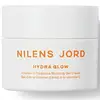
This moisturizer is formulated around Limnanthes Alba Seed Oil and Ascorbyl Tetraisopalmitate to hydrate skin.
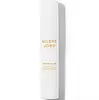
This hydrating serum is formulated around Squalane and Ascorbyl Tetraisopalmitate to hydrate skin.

What's inside
What's inside
 Key Ingredients
Benefits
Concerns
Ingredients Side-by-side
Water
Skin ConditioningPropanediol
Solvent

Glycerin
Humectant
Pentylene Glycol
Skin Conditioning
Limnanthes Alba Seed Oil
Skin Conditioning


Triheptanoin
Skin ConditioningPolyglycerin-3
Humectant
Caprylic/Capric Triglyceride
Masking
Coco-Caprylate/Caprate
Emollient
C13-15 Alkane
SolventSodium Polyacryloyldimethyl Taurate
Emulsion StabilisingAscorbyl Tetraisopalmitate
Antioxidant


Chlorphenesin
Antimicrobial
Dilinoleic Acid/Butanediol Copolymer
Carbomer
Emulsion StabilisingTrisodium Ethylenediamine Disuccinate
Crithmum Maritimum Extract
Skin ConditioningTamarindus Indica Seed Gum
Emulsion Stabilising
Sodium Hydroxide
BufferingT-Butyl Alcohol
Perfuming




Castor Oil/Ipdi Copolymer
Glucose
Humectant
Water, Propanediol, Glycerin, Pentylene Glycol, Limnanthes Alba Seed Oil, Triheptanoin, Polyglycerin-3, Caprylic/Capric Triglyceride, Coco-Caprylate/Caprate, C13-15 Alkane, Sodium Polyacryloyldimethyl Taurate, Ascorbyl Tetraisopalmitate, Chlorphenesin, Dilinoleic Acid/Butanediol Copolymer, Carbomer, Trisodium Ethylenediamine Disuccinate, Crithmum Maritimum Extract, Tamarindus Indica Seed Gum, Sodium Hydroxide, T-Butyl Alcohol, Castor Oil/Ipdi Copolymer, Glucose
Water
Skin ConditioningGlycerin
Humectant
Propanediol
Solvent
Squalane
Emollient
Triheptanoin
Skin ConditioningButylene Glycol
Humectant
Coco-Caprylate/Caprate
Emollient
Pentylene Glycol
Skin Conditioning
Ascorbyl Tetraisopalmitate
Antioxidant
C13-15 Alkane
SolventDiglycerin
Humectant
Polyacrylate Crosspolymer-6
Emulsion StabilisingChlorphenesin
Antimicrobial
Carbomer
Emulsion StabilisingTrisodium Ethylenediamine Disuccinate
Sodium Hyaluronate Crosspolymer
Humectant
Sodium Phosphate
BufferingSodium Hydroxide
BufferingT-Butyl Alcohol
Perfuming
Caprylyl Glycol
Emollient
Nonapeptide-1
Skin Conditioning
Tocopherol
Antioxidant


Disodium Phosphate
BufferingWater, Glycerin, Propanediol, Squalane, Triheptanoin, Butylene Glycol, Coco-Caprylate/Caprate, Pentylene Glycol, Ascorbyl Tetraisopalmitate, C13-15 Alkane, Diglycerin, Polyacrylate Crosspolymer-6, Chlorphenesin, Carbomer, Trisodium Ethylenediamine Disuccinate, Sodium Hyaluronate Crosspolymer, Sodium Phosphate, Sodium Hydroxide, T-Butyl Alcohol, Caprylyl Glycol, Nonapeptide-1, Tocopherol, Disodium Phosphate
Ingredients Explained
These ingredients are found in both products.
Ingredients higher up in an ingredient list are typically present in a larger amount.
Ascorbyl Tetraisopalmitate is a version of ascorbic acid, or Vitamin C.
This ingredient has many benefits including reducing wrinkles, skin soothing, dark spot fading, and fighting against free radicals.
It helps with dark spot fading by interfering with the process of skin darkening, helping to reduce hyperpigmentation. Like other forms of vitamin C, this ingredient encourages the skin to create more collagen.
As an antioxidant, it helps fight free-radicals. Free-radicals are molecules that may damage your skin cells.
One study found Ascorbyl Tetraisopalmitate to degrade in sunlight, but is stabilized when combined with acetyl zingerone.
Learn more about Ascorbyl TetraisopalmitateC13-15 Alkane is a group of alkanes with 13 to 15 carbon atoms in the alkyl chain.
It is a solvent and texture enhancer. Solvents are used to keep ingredients together in a product. They can help dissolve ingredients to stable bases or help evenly distribute ingredients throughout the product.
Carbomer is a synthetic thickening and gelling agent. It's basically the ingredient that gives a lot of serums, gels, creams, and sunscreens their smooth, non-sticky texture.
Although legally permitted at very high levels, carbomers are normally used at concentrations below 1%.
It also needs to be neutralized to actually thicken, and because it is a large molecule, it doesn't really penetrate the skin barrier.
Allergy-wise, the risk is very low. Clinical studies show carbomers have low potential for skin irritation/sensitization even at concentrations up to 100%.
A 2024 UK study patch-tested 1,302 patients and found true allergy to the parent group of carbomer to be rare with no confirmed relevant reactions.
Learn more about CarbomerChlorphenesin is a synthetic preservative. It helps protect a product against bacteria in order to extend shelf life. In most cases, Chlorphenesin is paired with other preservatives such as phenoxyethanol and caprylyl glycol.
Chlorphenesin is a biocide. This means it is able to help fight the microorganisms on our skin. It is also able to fight odor-releasing bacteria.
Chlorphenesin is soluble in both water and glycerin.
Studies show Chlorphenesin is easily absorbed by our skin. You should speak with a skincare professional if you have concerns about using Chlorphenesin.
Learn more about ChlorphenesinCoco-Caprylate/Caprate is a lightweight ester created from coconut oil fatty acids, caprylic acid, and capric acid.
It is an emollient that helps soften skin and reduce transepidermal water loss (TEWL). What sets it apart from heavier emollients is its ultralight, non-greasy feel.
Once applied, this ingredient dries down quickly and leaves a dry, silky finish behind. This also helps improve spreadability and texture.
This ingredient has an excellent safety-record and is non-irritating.
Typical concentrations for cosmetics range from 0.5-62%.
Research on Malassezia growth found no growth on fatty acid esters with chain lengths shorter than 12 carbons (it prefers C11-24).
Since Coco-Caprylate/Caprate is built on C8 and C10 fatty acids, it is out of the range that Malassezia metabolizes, and therefore safe for fungal acne.
Learn more about Coco-Caprylate/CaprateGlycerin (or glycerol) is a compound naturally found in your skin. It's a powerhouse humectant that pulls water into the stratum corneum.
Topically, glycerin does several things at once:
Your skin makes glycerin on its own (mostly from sebaceous oil breakdown) and shuttles it to your outermost layer of skin, or your epidermis, via aquaporin-3.
Aquaporin-3 is a transporter that is essential for normal skin hydration, elasticity, and repair. Interestingly, mice lacking in AQP3 have dry and less elastic skin that can be fully corrected with glycerin.
This ingredient is non-irritating, plays well with almost every ingredient, and works across all skin types. Typical use is anywhere between 3-10% but can go up to 79% in some leave-on products.
Just know very high concentrations (>40%) can feel tacky in low humidity.
Glycerin is the name for this ingredient in American English. British English uses Glycerol/Glycerine.
Learn more about GlycerinPentylene Glycol (1,2-pentanediol) is a multitasking little diol with three main roles in a formula:
Research on alkanediols (the family pentylene glycol belongs to) show they work by disrupting microbial cell membranes. This disruption helps the primary preservative system in a product work more effectively at lower doses.
On the safety side, the Cosmetic Ingredient Review Expert Panel has concluded this ingredient to be safe as used in current cosmetic practices + concentrations.
Typical use levels in a formula run about 1-5%.
Learn more about Pentylene GlycolPropanediol is an all-star ingredient. It softens, hydrates, and smooths the skin.
It’s often used to:
Propanediol is not likely to cause sensitivity and considered safe to use. It is derived from corn or petroleum with a clear color and no scent.
Learn more about PropanediolSodium Hydroxide is also known as lye or caustic soda. It is used to adjust the pH of products; many ingredients require a specific pH to be effective.
In small amounts, sodium hydroxide is considered safe to use. However, large amounts may cause chemical burns due to its high alkaline.
Your skin has a natural pH and acid mantle. This acid mantle helps prevent harmful bacteria from breaking through. The acid mantle also helps keep your skin hydrated.
"Alkaline" refers to a high pH level. A low pH level would be considered acidic.
Learn more about Sodium HydroxideT-Butyl Alcohol (aka tert-butanol) is a small, clear, camphor-smelling alcohol.
It has two main jobs:
On the safety side, it's well-studied and has a solid track record. Human repeat-insult patch testing showed no skin irritation or sensitization even at 100%.
Typical use levels are pretty tiny, usually less than 1%.
You might see some fear-mongering around this ingredient:
Studies in male rats showed kidney effects but that's because of a rat-specific protein that humans don't make. So this study isn't really relevant to humans.
Though it's not a typical fragrance like parfum, it does have a natural scent. That's why the official COSIng database lists it as 'perfuming' ingredient. It can be used to modify the scent of a formula.
Learn more about T-Butyl AlcoholWe don't have a description for Triheptanoin yet.
Trisodium Ethylenediamine Disuccinate is used to help stabilize a product.
It is a chelating agent, meaning it helps prevent metal ions from binding to other ingredients. This prevents unwanted reactions in products. Metal ions can come into a product via the water ingredient. They are found in trace amounts and are not known to be harmful.
Water. It's the most common cosmetic ingredient of all. You'll usually see it at the top of ingredient lists, meaning that it makes up the largest part of the product.
So why is it so popular? Water most often acts as a solvent - this means that it helps dissolve other ingredients into the formulation.
You'll also recognize water as that liquid we all need to stay alive. If you see this, drink a glass of water. Remember to stay hydrated!
Learn more about Water

