Neutrogena Hydro Boost Gel Cream Versus Kiehl's Ultra Facial Overnight Hydrating Face Mask With 10.5% Squalane
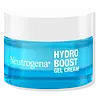
This barrier-repair moisturizer is formulated around Sodium Hyaluronate to strengthen the skin barrier and hydrate skin.
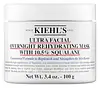
This hydrating overnight mask is formulated around Squalane and Pseudoalteromonas Ferment Extract to hydrate skin and strengthen the skin barrier.

What's inside
What's inside
 Key Ingredients
Benefits
Concerns
Ingredients Side-by-side
Water
Skin ConditioningGlycerin
Humectant


Dimethicone
Emollient
Cetearyl Olivate


Sorbitan Olivate
Emulsifying
Sodium Hyaluronate
Humectant


Serine
Masking
Glycine
Buffering
Alanine
Masking
Threonine
Arginine
Masking
Proline
Skin Conditioning
Lysine Hcl
Skin Conditioning
Glutamic Acid
Humectant
Sodium PCA
Humectant
PCA
Humectant
Sodium Lactate
Buffering
Urea
Buffering

Sodium Chloride
MaskingCitric Acid
Buffering

Betaine
Humectant
Allantoin
Skin Conditioning
Fructose
Humectant
Maltose
MaskingTrehalose
Humectant
Glucose
Humectant
Pentylene Glycol
Skin Conditioning
Synthetic Beeswax
Emulsion Stabilising
Polyacrylate Crosspolymer-6
Emulsion StabilisingDimethicone Crosspolymer
Emulsion Stabilising
Dimethiconol
Emollient
Ethylhexylglycerin
Skin ConditioningCaprylyl Glycol
Emollient
Sodium Hydroxide
BufferingWater, Glycerin, Dimethicone, Cetearyl Olivate, Sorbitan Olivate, Sodium Hyaluronate, Serine, Glycine, Alanine, Threonine, Arginine, Proline, Lysine Hcl, Glutamic Acid, Sodium PCA, PCA, Sodium Lactate, Urea, Sodium Chloride, Citric Acid, Betaine, Allantoin, Fructose, Maltose, Trehalose, Glucose, Pentylene Glycol, Synthetic Beeswax, Polyacrylate Crosspolymer-6, Dimethicone Crosspolymer, Dimethiconol, Ethylhexylglycerin, Caprylyl Glycol, Sodium Hydroxide
Water
Skin ConditioningLauryl Laurate
Skin Conditioning
Squalane
Emollient
Isononyl Isononanoate
EmollientBehenyl Behenate
EmollientSorbitan Olivate
Emulsifying
Sorbitan Stearate
Emulsifying
Polyhydroxystearic Acid
Emulsifying
Candelilla Cera
Emollient
Euphorbia Cerifera Cera
Astringent
Propanediol
Solvent
Phenoxyethanol
Preservative
Sodium Polyacrylate
Absorbent
Chlorphenesin
Antimicrobial
Ethylhexylglycerin
Skin ConditioningPseudoalteromonas Ferment Extract
Humectant
Salicylic Acid
Masking






Sodium Hydroxide
BufferingWater, Lauryl Laurate, Squalane, Isononyl Isononanoate, Behenyl Behenate, Sorbitan Olivate, Sorbitan Stearate, Polyhydroxystearic Acid, Candelilla Cera, Euphorbia Cerifera Cera, Propanediol, Phenoxyethanol, Sodium Polyacrylate, Chlorphenesin, Ethylhexylglycerin, Pseudoalteromonas Ferment Extract, Salicylic Acid, Sodium Hydroxide
Reviews
Alternatives
Ingredients Explained
These ingredients are found in both products.
Ingredients higher up in an ingredient list are typically present in a larger amount.
Ethylhexylglycerin is created from glycerin. It is a multitasker ingredient that:
The CIR Expert Panel found minimal skin absorption or sensitization of any kind in a safety assessment. Though this ingredient is considered well-tolerated, a small number of cases of allergic dermatitis have been published since 2002. Just be sure to patch test if you are unsure.
Industry-reported use ranges from 8% in rinse-off products and 2% in leave-on formulations.
Learn more about EthylhexylglycerinSodium Hydroxide is also known as lye or caustic soda. It is used to adjust the pH of products; many ingredients require a specific pH to be effective.
In small amounts, sodium hydroxide is considered safe to use. However, large amounts may cause chemical burns due to its high alkaline.
Your skin has a natural pH and acid mantle. This acid mantle helps prevent harmful bacteria from breaking through. The acid mantle also helps keep your skin hydrated.
"Alkaline" refers to a high pH level. A low pH level would be considered acidic.
Learn more about Sodium HydroxideSorbitan Olivate is created from the fatty acids in olive oil and sorbitol.
This ingredient is an oil in water emulsifier. It helps stabilize a product by preventing oils and waters from separating. Sorbitan Olivate also helps hydrate the skin.
This ingredient is also known as part of Olivem 1000, with Cetearyl Olivate being the other part.
According to a manufacturer, this ingredient helps preserve the natural microbiome of skin. Having a healthy microbiome helps keep our skin healthy and protects against harmful bacteria.
Please note, having a healthy microbiome is different from fungal acne; a healthy microbiome includes small amounts of yeast that normally live on your skin without causing problems.
Fungal acne happens when one type of yeast (Malassezia) grows out of control. This is usually because it's feeding on certain oils or fatty acids. Due to the olive oil base, this ingredient may not be fungal acne safe.
Learn more about Sorbitan OlivateWater. It's the most common cosmetic ingredient of all. You'll usually see it at the top of ingredient lists, meaning that it makes up the largest part of the product.
So why is it so popular? Water most often acts as a solvent - this means that it helps dissolve other ingredients into the formulation.
You'll also recognize water as that liquid we all need to stay alive. If you see this, drink a glass of water. Remember to stay hydrated!
Learn more about Water

