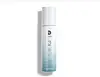
This mild gel makeup remover is made to dissolve makeup, sunscreen, and daily buildup.
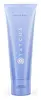
This gel cleanser uses mild cleansing ingredients, but contains alcohol that may feel drying for some.

What's inside
What's inside
 Key Ingredients
Benefits
Concerns
Ingredients Side-by-side
Water
Skin ConditioningGlycerin
Humectant


PEG-75
HumectantCocamidopropyl Hydroxysultaine
Cleansing
Disodium Cocoamphodiacetate
CleansingSodium Chloride
MaskingDipropylene Glycol
HumectantSodium Cocoamphoacetate
CleansingPEG-20 Glyceryl Isostearate
Surfactant

Acrylates Copolymer
Raffinose
Skin ConditioningChondrus Crispus Extract
Skin Conditioning


Lithothamnion Calcareum Extract
Skin ConditioningBetula Platyphylla Japonica Juice
Skin Conditioning
Niacinamide
Smoothing








Tocopherol
Antioxidant

Salvia Sclarea Oil
Masking
Rosmarinus Officinalis Leaf Oil
Masking
Citrus Grandis Peel Oil
Masking



Caprylyl Glycol
Emollient
Disodium EDTA
ChelatingHexylene Glycol
EmulsifyingCitric Acid
Buffering
PEG-6 Caprylic/Capric Glycerides
EmulsifyingSodium Benzoate
Masking
Ethylhexylglycerin
Skin ConditioningParfum
Masking
Limonene
Perfuming
Water, Glycerin, PEG-75, Cocamidopropyl Hydroxysultaine, Disodium Cocoamphodiacetate, Sodium Chloride, Dipropylene Glycol, Sodium Cocoamphoacetate, PEG-20 Glyceryl Isostearate, Acrylates Copolymer, Raffinose, Chondrus Crispus Extract, Lithothamnion Calcareum Extract, Betula Platyphylla Japonica Juice, Niacinamide, Tocopherol, Salvia Sclarea Oil, Rosmarinus Officinalis Leaf Oil, Citrus Grandis Peel Oil, Caprylyl Glycol, Disodium EDTA, Hexylene Glycol, Citric Acid, PEG-6 Caprylic/Capric Glycerides, Sodium Benzoate, Ethylhexylglycerin, Parfum, Limonene
Water
Skin ConditioningMicrocrystalline Cellulose
AbsorbentPropanediol
Solvent
Sodium Cocoyl Glutamate
Cleansing
Glycerin
Humectant
Acrylates Copolymer
Sodium Caproyl Methyltaurate
CleansingCoco-Betaine
Cleansing
Parfum
Masking
Camellia Sinensis Leaf
Perfuming
Oryza Sativa Powder
Chondrus Crispus Extract
Skin Conditioning
Sodium Hyaluronate
Humectant
Betaphycus Gelatinum Extract
BleachingLauryl Glucoside
CleansingPotassium Hydroxide
BufferingPolyquaternium-39
Disodium EDTA
ChelatingPhenoxyethanol
Preservative
Ethylhexylglycerin
Skin ConditioningSodium Benzoate
Masking
Sodium Carbonate
BufferingAlcohol
Antimicrobial
Water, Microcrystalline Cellulose, Propanediol, Sodium Cocoyl Glutamate, Glycerin, Acrylates Copolymer, Sodium Caproyl Methyltaurate, Coco-Betaine, Parfum, Camellia Sinensis Leaf, Oryza Sativa Powder, Chondrus Crispus Extract, Sodium Hyaluronate, Betaphycus Gelatinum Extract, Lauryl Glucoside, Potassium Hydroxide, Polyquaternium-39, Disodium EDTA, Phenoxyethanol, Ethylhexylglycerin, Sodium Benzoate, Sodium Carbonate, Alcohol
Reviews
Ingredients Explained
These ingredients are found in both products.
Ingredients higher up in an ingredient list are typically present in a larger amount.
Acrylates Copolymer is used as a film-forming agent and texture enhancer.
After applied, Acrylates Copolymer forms a thin film cover that helps skin feel more soft. It can help sunscreens become more water-resistant.
It is also used to make a product more thick.
Learn more about Acrylates CopolymerThis ingredient comes from the red seaweed that grows along the North Atlantic. It's the same alga that gives us carrageenan, the thickener in your oat milk.
The extract is mostly big sulfated sugar molecules (polysaccharides) plus some minerals and protein.
What those sugars do is simple and useful: they hold onto water and form a light film on the skin. That means they boost hydration, add a bit of slip, and leave a soft, cushiony feel.
It also helps with texture and thickness.
You'll see claims about anti-aging and "second skin" effects but those come mostly from supplier marketing.
The real research is cell-culture stuff and there's no human trial on this ingredient specifically (yet). So for now, treat it as a nice hydrator and texture helper, not an active.
Safety-wise, it's pretty solid. The Cosmetic Ingredient Review panel rated it safe as used, human sensitization tests came back negative, and it wasn't irritating in skin or eye tests.
Typical use levels are 0.5% or lower.
You'll see algae listed as a 5/5 on a lot of pore-clogging charts and that number doesn't come from anywhere; it's not in the original rabbit-ear studies that most comedogenic ratings trace back to.
The reasoning behind the reputation is that seaweed is high in iodine and iodine can trigger acne-like breakouts when eaten. This traces back to a 1976 letter in Archives of Dermatology describing two women whose breakouts cleared after they stopped taking high-dose kelp supplements orally.
And the reaction of these two women wasn't clogged pores at all: it was an iodine-triggered pustular rash. Later research found normal dietary iodine doesn't meaningfully affect acne either and nobody has shown topical algae delivers enough iodine to matter.
What we do have is dozens of brown and red algae ingredients found to be non-irritating and non-sensitizing, and a handful of studies that found algae compounds may actually help acne.
However, plenty of people do report breaking out from algae-containing products. Skin is individual and it's worth avoiding if yours has reacted to algae before.
Learn more about Chondrus Crispus ExtractDisodium EDTA is a chelating agent. It grabs onto and deactivates metal ions that sneak into your products from water, packaging, or air.
This ingredient mainly works behind the scenes and helps with:
On top of that, this ingredient can counteract the effects of hard water by binding to the minerals in it.
One thing worth knowing is that Disodium EDTA has been shown to be a mild penetration enhancer. It can help other ingredients absorb into skin more effectively which can be a double-edged sword (great for actives, but can also make the active too strong if you have sensitive skin).
Clinical patch testing showed no significant skin irritation at typical use concentrations and minimal dermal absorption.
You'll most likely see this ingredient near the end of an ingredient list. It's typically found in concentrations less than 1%.
Learn more about Disodium EDTAEthylhexylglycerin is created from glycerin. It is a multitasker ingredient that:
The CIR Expert Panel found minimal skin absorption or sensitization of any kind in a safety assessment. Though this ingredient is considered well-tolerated, a small number of cases of allergic dermatitis have been published since 2002. Just be sure to patch test if you are unsure.
Industry-reported use ranges from 8% in rinse-off products and 2% in leave-on formulations.
Learn more about EthylhexylglycerinGlycerin (or glycerol) is a compound naturally found in your skin. It's a powerhouse humectant that pulls water into the stratum corneum.
Topically, glycerin does several things at once:
Your skin makes glycerin on its own (mostly from sebaceous oil breakdown) and shuttles it to your outermost layer of skin, or your epidermis, via aquaporin-3.
Aquaporin-3 is a transporter that is essential for normal skin hydration, elasticity, and repair. Interestingly, mice lacking in AQP3 have dry and less elastic skin that can be fully corrected with glycerin.
This ingredient is non-irritating, plays well with almost every ingredient, and works across all skin types. Typical use is anywhere between 3-10% but can go up to 79% in some leave-on products.
Just know very high concentrations (>40%) can feel tacky in low humidity.
Glycerin is the name for this ingredient in American English. British English uses Glycerol/Glycerine.
Learn more about GlycerinParfum is a catch-all term for an ingredient or more that is used to give a scent to products.
Also called "fragrance", this ingredient can be a blend of hundreds of chemicals or plant oils. This means every product with "fragrance" or "parfum" in the ingredients list is a different mixture.
For instance, Habanolide is a proprietary trade name for a specific aroma chemical. When used as a fragrance ingredient in cosmetics, most aroma chemicals fall under the broad labeling category of “FRAGRANCE” or “PARFUM” according to EU and US regulations.
The term 'parfum' or 'fragrance' is not regulated in many countries. In many cases, it is up to the brand to define this term.
For instance, many brands choose to label themselves as "fragrance-free" because they are not using synthetic fragrances. However, their products may still contain ingredients such as essential oils that are considered a fragrance by INCI standards.
One example is Calendula flower extract. Calendula is an essential oil that still imparts a scent or 'fragrance'.
Depending on the blend, the ingredients in the mixture can cause allergies and sensitivities on the skin. Some ingredients that are known EU allergens include linalool and citronellol.
Parfum can also be used to mask or cover an unpleasant scent.
The bottom line is: not all fragrances/parfum/ingredients are created equally. If you are worried about fragrances, we recommend taking a closer look at an ingredient. And of course, we always recommend speaking with a professional.
Learn more about ParfumSodium Benzoate is a preservative. It's used in both cosmetic and food products to inhibit the growth of mold and bacteria. It is typically produced synthetically.
Both the US FDA and EU Health Committee have approved the use of sodium benzoate. In the US, levels of 0.1% (of the total product) are allowed.
Sodium benzoate works as a preservative by inhibiting the growth of bacteria inside of cells. It prevents the cell from fermenting a type of sugar using an enzyme called phosphofructokinase.
It is the salt of benzoic acid. Foods containing sodium benzoate include soda, salad dressings, condiments, fruit juices, wines, and snack foods.
Studies for using ascorbic acid and sodium benzoate in cosmetics are lacking, especially in skincare routines with multiple steps.
We always recommend speaking with a professional, such as a dermatologist, if you have any concerns.
Learn more about Sodium BenzoateWater. It's the most common cosmetic ingredient of all. You'll usually see it at the top of ingredient lists, meaning that it makes up the largest part of the product.
So why is it so popular? Water most often acts as a solvent - this means that it helps dissolve other ingredients into the formulation.
You'll also recognize water as that liquid we all need to stay alive. If you see this, drink a glass of water. Remember to stay hydrated!
Learn more about Water

