
What's inside
What's inside
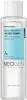 Key Ingredients
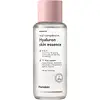
Benefits
Concerns
No concerns
Ingredients Side-by-side
Bifida Ferment Lysate
Skin Conditioning


Saccharomyces Ferment Filtrate
Humectant
Betula Alba Juice
AstringentRice Ferment Filtrate
Skin Conditioning

Water
Skin ConditioningAspergillus Ferment
Skin ConditioningPropanediol
Solvent
Polyglyceryl-4 Caprate
Emulsifying1,2-Hexanediol
Skin Conditioning
Glycereth-25 PCA Isostearate
Emulsifying
Camellia Sinensis Leaf Extract
Antimicrobial


Ethylhexylglycerin
Skin ConditioningSodium Lactate
BufferingSodium Gluconate
Skin ConditioningAllantoin
Skin Conditioning
Lactobacillus
Skin ConditioningDisodium EDTA
Tromethamine
BufferingMentha Piperita Oil
Masking



Gluconolactone
Skin Conditioning


Salicylic Acid
Masking






Panthenol
Skin Conditioning
Capryloyl Salicylic Acid
Exfoliating
Glycolic Acid
Buffering
Butylene Glycol
Humectant
Hyaluronic Acid
Humectant
Hydrolyzed Hyaluronic Acid
Humectant
Sodium Hyaluronate
Humectant
Bifida Ferment Lysate, Saccharomyces Ferment Filtrate, Betula Alba Juice, Rice Ferment Filtrate, Water, Aspergillus Ferment, Propanediol, Polyglyceryl-4 Caprate, 1,2-Hexanediol, Glycereth-25 PCA Isostearate, Camellia Sinensis Leaf Extract, Ethylhexylglycerin, Sodium Lactate, Sodium Gluconate, Allantoin, Lactobacillus, Disodium EDTA, Tromethamine, Mentha Piperita Oil, Gluconolactone, Salicylic Acid, Panthenol, Capryloyl Salicylic Acid, Glycolic Acid, Butylene Glycol, Hyaluronic Acid, Hydrolyzed Hyaluronic Acid, Sodium Hyaluronate
Water
Skin ConditioningGlycerin
Humectant
Butylene Glycol
Humectant
Pentylene Glycol
Skin ConditioningLinum Usitatissimum Seed Extract
Perfuming
Hydrolyzed Collagen
Emollient
Rhus Semialata Extract
Skin ConditioningGynostemma Pentaphyllum Leaf/Stem Extract
Antioxidant
Zostera Marina Extract
Skin ConditioningCeramide AP
Skin Conditioning
1,2-Hexanediol
Skin Conditioning
Sodium Hyaluronate
Humectant
Hydroxyethylcellulose
Emulsion StabilisingCitric Acid
Buffering
Sodium Citrate
BufferingHydrolyzed Hyaluronic Acid
Humectant
Saccharide Isomerate
Humectant
Hydrolyzed Algin
Disodium EDTA
Phenoxyethanol
Preservative
Water, Glycerin, Butylene Glycol, Pentylene Glycol, Linum Usitatissimum Seed Extract, Hydrolyzed Collagen, Rhus Semialata Extract, Gynostemma Pentaphyllum Leaf/Stem Extract, Zostera Marina Extract, Ceramide AP, 1,2-Hexanediol, Sodium Hyaluronate, Hydroxyethylcellulose, Citric Acid, Sodium Citrate, Hydrolyzed Hyaluronic Acid, Saccharide Isomerate, Hydrolyzed Algin, Disodium EDTA, Phenoxyethanol
Reviews
Ingredients Explained
These ingredients are found in both products.
Ingredients higher up in an ingredient list are typically present in a larger amount.
1,2-Hexanediol is a synthetic liquid and another multi-functional powerhouse.
It is a:
- Humectant, drawing moisture into the skin
- Emollient, helping to soften skin
- Solvent, dispersing and stabilizing formulas
- Preservative booster, enhancing the antimicrobial activity of other preservatives
Butylene Glycol (or BG) is used within cosmetic products for a few different reasons:
Overall, Butylene Glycol is a safe and well-rounded ingredient that works well with other ingredients.
Though this ingredient works well with most skin types, some people with sensitive skin may experience a reaction such as allergic rashes, closed comedones, or itchiness.
Learn more about Butylene GlycolDisodium EDTA plays a role in making products more stable by aiding other preservatives.
It is a chelating agent, meaning it neutralizes metal ions that may be found in a product.
Disodium EDTA is a salt of edetic acid and is found to be safe in cosmetic ingredients.
Learn more about Disodium EDTAHydrolyzed Hyaluronic Acid is a form of hyaluronic acid. It is created by the hydrolysis of hyaluronic acid with a high molecular weight. Once created, Hydrolyzed Hyaluronic Acid has a low molecular weight.
Low molecular weight HA has been shown to hydrate and increase elasticity of the skin. Increasing elasticity is also associated with reduction of wrinkle depth.
One study found topical low molecular weight hyaluronic acid may be considered for the treatment of rosacea in the adult population. However, we always recommend speaking with a professional about your skin concerns.
Hyaluronic acids are a humectant. This means they draw moisture from the air. Hyaluronic acids help moisturize, soothe, and protect the skin.
Read more about other common forms of hyaluronic acid:
Learn more about Hydrolyzed Hyaluronic AcidSodium Hyaluronate is hyaluronic acid's salt form. It is commonly derived from the sodium salt of hyaluronic acid.
Like hyaluronic acid, it is great at holding water and acts as a humectant. This makes it a great skin hydrating ingredient.
Sodium Hyaluronate is naturally occurring in our bodies and is mostly found in eye fluid and joints.
These are some other common types of Hyaluronic Acid:
Learn more about Sodium HyaluronateWater. It's the most common cosmetic ingredient of all. You'll usually see it at the top of ingredient lists, meaning that it makes up the largest part of the product.
So why is it so popular? Water most often acts as a solvent - this means that it helps dissolve other ingredients into the formulation.
You'll also recognize water as that liquid we all need to stay alive. If you see this, drink a glass of water. Stay hydrated!
Learn more about Water
