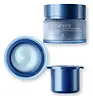
This barrier-repair moisturizer is formulated around Trehalose and Sodium Hyaluronate to strengthen the skin barrier and hydrate skin.
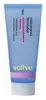
This anti-aging moisturizer is formulated around Panthenol and Sodium Hyaluronate to soften the look of wrinkles and hydrate skin.

What's inside
What's inside
 Key Ingredients
Benefits
Concerns
Ingredients Side-by-side
Water
Skin ConditioningDimethicone
Emollient

Pentylene Glycol
Skin Conditioning
Glycerin
Humectant
Propanediol
Solvent
Trehalose
Humectant
Polymethylsilsesquioxane
Betaine
Humectant
Caprylic/Capric Triglyceride
Masking
Phenoxyethanol
Preservative
Ammonium Acryloyldimethyltaurate/Vp Copolymer
Tocopherol
Antioxidant




Carbomer
Emulsion StabilisingFevillea Trilobata Seed Oil
Astringent
Hydroxyacetophenone
Antioxidant
Sodium Hyaluronate
Humectant
Parfum
Masking




Sorbitol
Humectant
Sodium Gluconate
ChelatingSodium Hydroxide
BufferingTrilaureth-4 Phosphate
EmulsifyingPolyglyceryl-2 Sesquiisostearate
Emulsifying
Conobea Scoparioides Leaf Oil
Masking
Sodium Carbonate
BufferingSodium Chloride
MaskingSodium Sulfate
Citronellol
Perfuming
Alpha-Isomethyl Ionone
Perfuming
CI 42090
Cosmetic ColorantWater, Dimethicone, Pentylene Glycol, Glycerin, Propanediol, Trehalose, Polymethylsilsesquioxane, Betaine, Caprylic/Capric Triglyceride, Phenoxyethanol, Ammonium Acryloyldimethyltaurate/Vp Copolymer, Tocopherol, Carbomer, Fevillea Trilobata Seed Oil, Hydroxyacetophenone, Sodium Hyaluronate, Parfum, Sorbitol, Sodium Gluconate, Sodium Hydroxide, Trilaureth-4 Phosphate, Polyglyceryl-2 Sesquiisostearate, Conobea Scoparioides Leaf Oil, Sodium Carbonate, Sodium Chloride, Sodium Sulfate, Citronellol, Alpha-Isomethyl Ionone, CI 42090
Water
Skin ConditioningPolyacrylate Crosspolymer-6
Emulsion StabilisingGlycereth-7 Triacetate
EmollientPanthenol
Skin Conditioning
Glycerin
Humectant
Sodium Hyaluronate
Humectant
Hydroxypropyltrimonium Hyaluronate
Hydrolyzed Hyaluronic Acid
Humectant
Sodium Acetylated Hyaluronate
Humectant
Hyaluronic Acid
Humectant
Sodium Hyaluronate Crosspolymer
Humectant
Hydrolyzed Sodium Hyaluronate
Skin Conditioning
Potassium Hyaluronate
Skin ConditioningBiosaccharide Gum-1
Humectant
Poria Cocos Polysaccharide
Skin ConditioningChondrus Crispus Extract
Skin Conditioning
1,2-Hexanediol
Skin Conditioning
Caprylyl Glycol
Emollient
Butylene Glycol
Humectant
Sodium Levulinate
Skin ConditioningGlyceryl Caprylate
EmollientSodium Anisate
AntimicrobialXanthan Gum
EmulsifyingGluconolactone
Chelating




Sodium Gluconate
ChelatingSodium Benzoate
Masking
Potassium Sorbate
Preservative
Calcium Gluconate
HumectantCitric Acid
Buffering
Water, Polyacrylate Crosspolymer-6, Glycereth-7 Triacetate, Panthenol, Glycerin, Sodium Hyaluronate, Hydroxypropyltrimonium Hyaluronate, Hydrolyzed Hyaluronic Acid, Sodium Acetylated Hyaluronate, Hyaluronic Acid, Sodium Hyaluronate Crosspolymer, Hydrolyzed Sodium Hyaluronate, Potassium Hyaluronate, Biosaccharide Gum-1, Poria Cocos Polysaccharide, Chondrus Crispus Extract, 1,2-Hexanediol, Caprylyl Glycol, Butylene Glycol, Sodium Levulinate, Glyceryl Caprylate, Sodium Anisate, Xanthan Gum, Gluconolactone, Sodium Gluconate, Sodium Benzoate, Potassium Sorbate, Calcium Gluconate, Citric Acid
Reviews
Ingredients Explained
These ingredients are found in both products.
Ingredients higher up in an ingredient list are typically present in a larger amount.
Glycerin (or glycerol) is a compound naturally found in your skin. It's a powerhouse humectant that pulls water into the stratum corneum.
Topically, glycerin does several things at once:
Your skin makes glycerin on its own (mostly from sebaceous oil breakdown) and shuttles it to your outermost layer of skin, or your epidermis, via aquaporin-3.
Aquaporin-3 is a transporter that is essential for normal skin hydration, elasticity, and repair. Interestingly, mice lacking in AQP3 have dry and less elastic skin that can be fully corrected with glycerin.
This ingredient is non-irritating, plays well with almost every ingredient, and works across all skin types. Typical use is anywhere between 3-10% but can go up to 79% in some leave-on products.
Just know very high concentrations (>40%) can feel tacky in low humidity.
Glycerin is the name for this ingredient in American English. British English uses Glycerol/Glycerine.
Learn more about GlycerinSodium Gluconate is the sodium salt of gluconic acid. In skincare, its main job is as a chelator.
Chelators grab onto stray metal ions like iron and copper that sneak in through water, raw materials, or manufacturing equipment. This stops them from triggering reactions that cause oils to go rancid, formulas to change color, and actives like vitamin C to fall apart.
This ingredient is often chosen as a biodegradable, gentler-sounding alternative to EDTA. It also pulls double duty as a mild humectant and pH buffer.
Typical use levels sit around 0.1-1% and supplier documents list up to 10% as an acceptable ceiling. Industry data found this ingredient family is mostly used well below 1% in leave on products.
Allergy risk is very low; animal testing has found it to be non-irritating to skin and eyes, mutagenicity assays came back negative, and there are no published reports of allergic contact dermatitis to it.
Learn more about Sodium GluconateSodium Hyaluronate is the salt form of hyaluronic acid. It is a long sugar chain that is naturally found in your skin, joints, and connective tissue that maintains hydration and elasticity.
In skincare, it works as a humectant. It pulls water from the environment and deeper layers of skin and binds it to the surface.
Interestingly, the size of the molecule affects its behavior:
Some clinical evidence links low molecular weight versions to improved wrinkle depth, elasticity, anti-inflammatory effects, and barrier repair.
Many serums use a blend of both weights so you can get surface hydration plus longer-lasting and deeper effects.
You'll typically see concentrations between 0.1-2% for this ingredient.
Learn more about Sodium HyaluronateWater. It's the most common cosmetic ingredient of all. You'll usually see it at the top of ingredient lists, meaning that it makes up the largest part of the product.
So why is it so popular? Water most often acts as a solvent - this means that it helps dissolve other ingredients into the formulation.
You'll also recognize water as that liquid we all need to stay alive. If you see this, drink a glass of water. Remember to stay hydrated!
Learn more about Water

