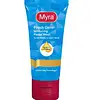
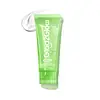
This salicylic acid gel cleanser is formulated around Salicylic Acid to clear breakouts and unclog pores.


What's inside
What's inside
 Key Ingredients
Benefits
Concerns
Ingredients Side-by-side
Water
Skin ConditioningGlycerin
Humectant


Lauric Acid
Cleansing




Propylene Glycol
Humectant
Myristic Acid
Cleansing
Potassium Hydroxide
BufferingStearic Acid
Cleansing
Decyl Glucoside
Cleansing
Acrylates Copolymer
Glyceryl Stearate
Emollient
PEG-100 Stearate
Surfactant
Citric Acid
Buffering

Phenoxyethanol
Preservative
Parfum
Masking


Lactose
HumectantCellulose
Absorbent
BHT
Antioxidant
Tetrasodium EDTA
ChelatingNiacinamide
Smoothing







Ethylhexylglycerin
Skin ConditioningHydroxypropyl Methylcellulose
Emulsion StabilisingCI 77492
Cosmetic ColorantCI 73360
Cosmetic ColorantSodium Starch Octenylsuccinate
AbsorbentRetinyl Palmitate
Skin Conditioning
Calcium Pantothenate
Maltodextrin
Absorbent
Sodium Ascorbyl Phosphate
Antioxidant
Tocopheryl Acetate
Antioxidant
Pyridoxine Hcl
Skin ConditioningSilica
Abrasive
Water, Glycerin, Lauric Acid, Propylene Glycol, Myristic Acid, Potassium Hydroxide, Stearic Acid, Decyl Glucoside, Acrylates Copolymer, Glyceryl Stearate, PEG-100 Stearate, Citric Acid, Phenoxyethanol, Parfum, Lactose, Cellulose, BHT, Tetrasodium EDTA, Niacinamide, Ethylhexylglycerin, Hydroxypropyl Methylcellulose, CI 77492, CI 73360, Sodium Starch Octenylsuccinate, Retinyl Palmitate, Calcium Pantothenate, Maltodextrin, Sodium Ascorbyl Phosphate, Tocopheryl Acetate, Pyridoxine Hcl, Silica
Water
Skin ConditioningPotassium Cocoyl Glycinate
Surfactant
Hydrogenated Starch Hydrolysate
HumectantAcrylates/Steareth-20 Methacrylate Crosspolymer
Centella Asiatica Extract
Cleansing
Potassium Cocoate
Emulsifying
Salicylic Acid
Masking
Sodium Lauroamphoacetate
CleansingLauryl Hydroxysultaine
CleansingErythritol
Humectant
Caprylyl Glycol
Emollient
Potassium Hydroxide
BufferingSodium Chloride
MaskingDisodium EDTA
ChelatingGlycosyl Trehalose
Emulsion StabilisingHydroxypropyl Cyclodextrin
MaskingAroma
Phenoxyethanol
Preservative
Water, Potassium Cocoyl Glycinate, Hydrogenated Starch Hydrolysate, Acrylates/Steareth-20 Methacrylate Crosspolymer, Centella Asiatica Extract, Potassium Cocoate, Salicylic Acid, Sodium Lauroamphoacetate, Lauryl Hydroxysultaine, Erythritol, Caprylyl Glycol, Potassium Hydroxide, Sodium Chloride, Disodium EDTA, Glycosyl Trehalose, Hydroxypropyl Cyclodextrin, Aroma, Phenoxyethanol
Reviews
Ingredients Explained
These ingredients are found in both products.
Ingredients higher up in an ingredient list are typically present in a larger amount.
Phenoxyethanol is one of the most widely used preservatives in skincare (and for good reason!).
It has a large spectrum of antimicrobial activity and especially effective bacteria, yeast, and mold while only having a weak effect on your skin's natural microbiome.
On a cellular level, it disrupts the cell membranes of microbes by poking holes that make the cell leak. This shuts down the chemical reactions the microbe needs to make energy so it can no longer survive.
Another perk of this ingredient is that it stays functional across a wide pH range (3-10).
You'll often see it paired with boosters like Ethylhexylglycerin; one study showed that a 1:9 ratio of Ethylhexylglycerin to Phenoxyethanol damages bacterial membranes as effectively as doubling the Phenoxyethanol concentration on its own.
Typical use concentrations range from 0.3-1% depending on the formula, and this ingredient is capped at 1% int the EU.
Safety-wise, the fear mongering does not hold up to the evidence. The EU's Scientific Committee on Consumer Safety and FDA consider it safe as a preservative at up to 1%, including for children of all ages.
Adverse systemic effects only showed up in animal studies at exposures roughly 200x higher than what people get from cosmetics. And despite its very widespread use, this ingredient is a rare sensitizer and allergic reactions are uncommon.
Learn more about PhenoxyethanolPotassium Hydroxide (also known as potash) is a strong alkaline ingredient that does one job: it nudges a product's pH up so the whole formula lands in a skin-friendly range.
It's also the base that turns oils into liquid soap during the soap making process.
An expert safety panel reviewed it and found it safe when formulations are made to be non-irritating.
As a pH adjuster, it's typically used well under 1% though regulatory caps go much higher: 5% in nail cuticle removers and 2-4.5% in hair straighteners.
Though there is some concern for irritation from raw or high pH material, a well-balanced formula will be a non-issue for the vast majority of people.
Learn more about Potassium HydroxideWater. It's the most common cosmetic ingredient of all. You'll usually see it at the top of ingredient lists, meaning that it makes up the largest part of the product.
So why is it so popular? Water most often acts as a solvent - this means that it helps dissolve other ingredients into the formulation.
You'll also recognize water as that liquid we all need to stay alive. If you see this, drink a glass of water. Remember to stay hydrated!
Learn more about Water

