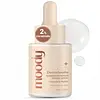
This barrier-repair serum is formulated around Acetyl Hexapeptide-8 and Ceramide AP to strengthen the skin barrier and calm redness.
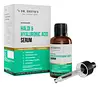
This hydrating serum is formulated around Niacinamide and Hyaluronic Acid to hydrate skin and strengthen the skin barrier.

What's inside
What's inside
 Key Ingredients
Benefits
Ingredients Side-by-side
Water
Skin ConditioningIsononyl Isononanoate
EmollientCaprylyl Methicone
Skin Conditioning
PEG-12 Dimethicone/PPG-20 Crosspolymer
Dicaprylyl Carbonate
EmollientPropanediol
Solvent

Acetyl Hexapeptide-8
Humectant

Ceramide AP
Skin Conditioning


Squalane
Emollient
Bifida Ferment Lysate
Skin Conditioning
C14-22 Alcohols
Emulsion Stabilising
C12-20 Alkyl Glucoside
EmulsifyingPhenoxyethanol
Preservative
Ethylhexylglycerin
Skin ConditioningTocopheryl Acetate
Antioxidant


Panthenol
Skin Conditioning
Cyamopsis Tetragonoloba Gum
Emulsion StabilisingSodium Gluconate
ChelatingWater, Isononyl Isononanoate, Caprylyl Methicone, PEG-12 Dimethicone/PPG-20 Crosspolymer, Dicaprylyl Carbonate, Propanediol, Acetyl Hexapeptide-8, Ceramide AP, Squalane, Bifida Ferment Lysate, C14-22 Alcohols, C12-20 Alkyl Glucoside, Phenoxyethanol, Ethylhexylglycerin, Tocopheryl Acetate, Panthenol, Cyamopsis Tetragonoloba Gum, Sodium Gluconate
Water
Skin ConditioningGlycerin
Humectant
Butylene Glycol
Humectant
Niacinamide
Smoothing





Sodium Lauroyl Lactylate
EmulsifyingCeramide NP
Skin Conditioning
Ceramide AP
Skin Conditioning
Phytosphingosine
Skin Conditioning
Cholesterol
Emollient
Carbomer
Emulsion StabilisingXanthan Gum
EmulsifyingCeramide EOP
Skin Conditioning
Tripeptide-29
Skin Conditioning
Alpha-Glucan Oligosaccharide
Cleansing
Hyaluronic Acid
Humectant
Hydrolyzed Hyaluronic Acid
Humectant
Curcuma Longa Root Extract
Antioxidant
Ammonium Polyacryloyldimethyl Taurate
Emulsion StabilisingPolyacrylate Crosspolymer-6
Emulsion StabilisingCitric Acid
Buffering

Trisodium Ethylenediamine Disuccinate
ChelatingPhenoxyethanol
Preservative
Ethylhexylglycerin
Skin ConditioningHydroxyethylcellulose
Emulsion StabilisingSodium Hyaluronate Crosspolymer
Humectant
Pentylene Glycol
Skin Conditioning
Water, Glycerin, Butylene Glycol, Niacinamide, Sodium Lauroyl Lactylate, Ceramide NP, Ceramide AP, Phytosphingosine, Cholesterol, Carbomer, Xanthan Gum, Ceramide EOP, Tripeptide-29, Alpha-Glucan Oligosaccharide, Hyaluronic Acid, Hydrolyzed Hyaluronic Acid, Curcuma Longa Root Extract, Ammonium Polyacryloyldimethyl Taurate, Polyacrylate Crosspolymer-6, Citric Acid, Trisodium Ethylenediamine Disuccinate, Phenoxyethanol, Ethylhexylglycerin, Hydroxyethylcellulose, Sodium Hyaluronate Crosspolymer, Pentylene Glycol
Ingredients Explained
These ingredients are found in both products.
Ingredients higher up in an ingredient list are typically present in a larger amount.
Ceramide AP is is a skin-identical lipid that mimics what your skin already makes naturally. Ceramides help maintain epidermal integrity and barrier function.
You'll often see this ingredient paired with other ceramides (like ceramide NP), cholesterol, or fatty acids because this combination best mimics the natural lipid mix your skin already has.
The skin's ability to produce ceramides gets disrupted in skin conditions like eczema. This in turn weakens the skin barrier and applying ceramides topically has been shown to replenish what's been lost to restore barrier function.
Most of the studies with Ceramide AP test it as part of a multi-ceramide complex; studies reinforce ceramide AP's role in rebalancing ceramides in skin and improving skin hydration.
Learn more about Ceramide APEthylhexylglycerin is created from glycerin. It is a multitasker ingredient that:
The CIR Expert Panel found minimal skin absorption or sensitization of any kind in a safety assessment. Though this ingredient is considered well-tolerated, a small number of cases of allergic dermatitis have been published since 2002. Just be sure to patch test if you are unsure.
Industry-reported use ranges from 8% in rinse-off products and 2% in leave-on formulations.
Learn more about EthylhexylglycerinPhenoxyethanol is one of the most widely used preservatives in skincare (and for good reason!).
It has a large spectrum of antimicrobial activity and especially effective bacteria, yeast, and mold while only having a weak effect on your skin's natural microbiome.
On a cellular level, it disrupts the cell membranes of microbes by poking holes that make the cell leak. This shuts down the chemical reactions the microbe needs to make energy so it can no longer survive.
Another perk of this ingredient is that it stays functional across a wide pH range (3-10).
You'll often see it paired with boosters like Ethylhexylglycerin; one study showed that a 1:9 ratio of Ethylhexylglycerin to Phenoxyethanol damages bacterial membranes as effectively as doubling the Phenoxyethanol concentration on its own.
Typical use concentrations range from 0.3-1% depending on the formula, and this ingredient is capped at 1% int the EU.
Safety-wise, the fear mongering does not hold up to the evidence. The EU's Scientific Committee on Consumer Safety and FDA consider it safe as a preservative at up to 1%, including for children of all ages.
Adverse systemic effects only showed up in animal studies at exposures roughly 200x higher than what people get from cosmetics. And despite its very widespread use, this ingredient is a rare sensitizer and allergic reactions are uncommon.
Learn more about PhenoxyethanolWater. It's the most common cosmetic ingredient of all. You'll usually see it at the top of ingredient lists, meaning that it makes up the largest part of the product.
So why is it so popular? Water most often acts as a solvent - this means that it helps dissolve other ingredients into the formulation.
You'll also recognize water as that liquid we all need to stay alive. If you see this, drink a glass of water. Remember to stay hydrated!
Learn more about Water

