MONAT Rejuveniqe Oil Versus MONAT Rejuvabeads
This hydrating oil is formulated around Limnanthes Alba Seed Oil and Camellia Oleifera Seed Oil to hydrate skin and calm redness.

What's inside
What's inside
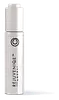 Key Ingredients
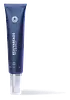
No key ingredients
Benefits
Concerns
Ingredients Side-by-side
Limnanthes Alba Seed Oil
Skin Conditioning



Crambe Abyssinica Seed Oil
Skin Conditioning
Camellia Oleifera Seed Oil
Skin Conditioning
Solanum Lycopersicum Seed Oil
Emollient
Daucus Carota Sativa Seed Oil
Emollient



Citrus Limon Peel Oil
Masking




Citrus Aurantifolia Oil
Cleansing
Citrus Aurantium Bergamia Fruit Oil
Masking
Adansonia Digitata Oil
Emollient
Mauritia Flexuosa Fruit Oil
Skin Conditioning
Cocos Nucifera Oil
Masking
Gardenia Taitensis Flower Extract
Skin ConditioningMoringa Oleifera Seed Oil
Emollient
Caryocar Brasiliense Fruit Oil
Skin Conditioning
Helianthus Annuus Seed Oil
Emollient
Citral
Perfuming
Limonene
Perfuming
Linalool
Perfuming
Limnanthes Alba Seed Oil, Crambe Abyssinica Seed Oil, Camellia Oleifera Seed Oil, Solanum Lycopersicum Seed Oil, Daucus Carota Sativa Seed Oil, Citrus Limon Peel Oil, Citrus Aurantifolia Oil, Citrus Aurantium Bergamia Fruit Oil, Adansonia Digitata Oil, Mauritia Flexuosa Fruit Oil, Cocos Nucifera Oil, Gardenia Taitensis Flower Extract, Moringa Oleifera Seed Oil, Caryocar Brasiliense Fruit Oil, Helianthus Annuus Seed Oil, Citral, Limonene, Linalool
Water
Skin ConditioningCetearyl Alcohol
Emollient
Isoamyl Laurate
Emollient
Behentrimonium Chloride
Preservative
Glycerin
Humectant

Limnanthes Alba Seed Oil
Skin Conditioning
Crambe Abyssinica Seed Oil
Skin Conditioning
Camellia Oleifera Seed Oil
Skin Conditioning
Solanum Lycopersicum Seed Oil
Emollient
Daucus Carota Sativa Seed Oil
Emollient
Citrus Limon Peel Oil
Masking
Citrus Aurantifolia Oil
Cleansing
Citrus Aurantium Bergamia Fruit Oil
Masking
Adansonia Digitata Oil
Emollient
Mauritia Flexuosa Fruit Oil
Skin Conditioning
Cocos Nucifera Oil
Masking
Gardenia Taitensis Flower Extract
Skin ConditioningMoringa Oleifera Seed Oil
Emollient
Caryocar Brasiliense Fruit Oil
Skin Conditioning
Helianthus Annuus Seed Oil
Emollient
Linum Usitatissimum Seed Extract
Perfuming
Salvia Hispanica Seed Extract
Emollient
Tocopherol
Antioxidant





Xanthan Gum
EmulsifyingCarrageenan
Algin
MaskingGuar Hydroxypropyltrimonium Chloride
Skin ConditioningChitosan
Caprylic/Capric Triglyceride
Masking
Coco-Glucoside
Cleansing
Sorbitan Oleate
Emulsifying
Parfum
Masking
Stearamidopropyl Dimethylamine
EmulsifyingBenzyl Alcohol
Perfuming
Ethylhexylglycerin
Skin ConditioningLimonene
Perfuming
Water, Cetearyl Alcohol, Isoamyl Laurate, Behentrimonium Chloride, Glycerin, Limnanthes Alba Seed Oil, Crambe Abyssinica Seed Oil, Camellia Oleifera Seed Oil, Solanum Lycopersicum Seed Oil, Daucus Carota Sativa Seed Oil, Citrus Limon Peel Oil, Citrus Aurantifolia Oil, Citrus Aurantium Bergamia Fruit Oil, Adansonia Digitata Oil, Mauritia Flexuosa Fruit Oil, Cocos Nucifera Oil, Gardenia Taitensis Flower Extract, Moringa Oleifera Seed Oil, Caryocar Brasiliense Fruit Oil, Helianthus Annuus Seed Oil, Linum Usitatissimum Seed Extract, Salvia Hispanica Seed Extract, Tocopherol, Xanthan Gum, Carrageenan, Algin, Guar Hydroxypropyltrimonium Chloride, Chitosan, Caprylic/Capric Triglyceride, Coco-Glucoside, Sorbitan Oleate, Parfum, Stearamidopropyl Dimethylamine, Benzyl Alcohol, Ethylhexylglycerin, Limonene
Reviews
Alternatives
Ingredients Explained
These ingredients are found in both products.
Ingredients higher up in an ingredient list are typically present in a larger amount.
Baobab oil is an emollient. This ingredient is rich in fatty acids, mostly oleic acid, linoleic acid, palmitic acid.
Due to this fatty acid content, this ingredient may not be fungal-acne safe.
Fun fact: Our skin uses fatty acids, and especially linoleic acid, for creating ceramides.
Camellia Oleifera Seed Oil comes from a green tea plant native to China. It is closely related to Camellia sinensis. Both plants have very similar properties. This plant also has similar properties to olive oil.
This ingredient is rich in oleic acid. This makes it an effective moisturizer. By creating a thin film on the skin, Camellia Oleifera Seed Oil traps moisture within. This helps keep your skin smooth and hydrated.
The antioxidant and soothing properties of this ingredient come from Vitamin E and polyphenols.
The seed oil comes from the dried kernels of the plant.
Learn more about Camellia Oleifera Seed OilCaryocar Brasiliense Fruit Oil is an oil and isn't fungal acne safe. It can be bad for acne prone skin.
This ingredient is also known as lime essential oil or key lime essential oil.
Like other citrus extracts and oils, this ingredient contains furanocoumarins that can cause phototoxicity.
Citrus Aurantium Bergamia Fruit Oil is the oil from the bergamot orange and is primarily used as a fragrance. It has a "fresh" and "bright orange" scent.
The main aroma compounds found in this ingredient are limonene (~27-52%), linalool (~2-22%), and linalyl acetate (~27-40%). These are known EU fragrance allergens.
The term 'fragrance' is not regulated in many countries. In many cases, it is up to the brand to define this term. For instance, many brands choose to label themselves as "fragrance-free" because they are not using synthetic fragrances. However, their products may still contain ingredients such as essential oils that are considered a fragrance.
When used topically, Citrus Aurantium Bergamia Fruit Oil is a photosensitizer due to the furanocoumarin content. Furanocoumarins absorb UV-A and cause phytophotodermatitis; this can look like redness, blistering, and lasting brown pigmentation on sun-exposed skin.
Due to this, this ingredient is capped at 0.4% in leave-on products applied to sun exposed skin.
Many modern formulas used a "furanocoumarin-free" version that sidesteps the phototoxicity issue, but still contains the fragrance allergens.
Learn more about Citrus Aurantium Bergamia Fruit OilCitrus Limon Peel Oil is created from the peels of the lemon. It is used to add a lemon-scent to products. Lemon peel oil also has antibacterial, antifungal, and antioxidant properties. However, it may also cause phototoxicity and sensitize skin.
Lemon peel oil contains limonene, a skin sensitizing ingredient. Another component is furanocoumarin, which induces phototoxicity in skin.
Furanocoumarins bind and destabilize your DNA to increase the rate of sunburn.
Most reputable companies will remove furanocoumarins from their formulations.
Learn more about Citrus Limon Peel OilThis ingredient is also known as coconut oil. It is a plant-derived ingredient with skin conditioning properties.
The fatty acid profile of coconut oil is mostly lauric acid (~54%), followed by capric, caprylic, palmitic, and myristic acids. This profile allows it to penetrate easily into skin, moisturize, and improve dry skin.
A double-blind study confirmed that extra virgin coconut oil is as effective as mineral oil for treating very dry skin. Another study found it outperformed mineral oil for mild to moderate atopic dermatitis in children.
Another study from 2018 found that virgin coconut oil can soothe inflammation and boost key skin barrier proteins. Just know this evidence is still only from lab settings and not human trials.
It has also been shown to reduce Staphylococcus aureus, a bacteria that commonly overgrows in people with eczema.
Clinical testing shows very minimal skin irritation and no evidence of sensitization or phototoxicity.
Coconut oil gets flagged as a "fragrance" because it has a natural mild scent (not because it's a synthetic perfume). The European Cosmetic ingredient database also lists "perfuming" as a function of this ingredient.
Just so you know, the term "fragrance" is completely unregulated. Some brands still use botanical extracts or essential oils in their "fragrance-free" formulas, but regulatory databases technically classify these under "fragrance".
Coconut oil has a tiny and useless bit of natural SPF. Early lab studies clocked it around SPF 7-8 but a more recent study found the real number closer to SPF 1.2. It also offers no meaningful UVA protection (SPF only overs UVB rays).
The comedogenic rating of 4/5 means it has a high potential to clog pores; but it's worth noting that comedogenicity is highly individual and ratings cannot predict how an overall formula will behave on skin.
Since lauric acid is the dominant fatty acid, this ingredient may not be fungal acne safe. The Malassezia yeast feeds on fatty acids with carbon chain lengths between 11-24, and lauric acid falls within these lengths (C12).
Learn more about Cocos Nucifera OilThis ingredient is also known as Abyssinian Oil. It comes from the seeds of the Crambe abyssinica plant and has skin conditioning properties.
What makes this oil unique is its unusually high content of erucic acid (50-65%). The other fatty acids found in this oil are oleic acid (15%) and linoleic acid (13%).
In cosmetics, abyssinian oil acts as an emollient that forms a protective layer on skin to lock in moisture without adding a heavy, greasy feeling. It also has a silky, silicone-like slip to it and is fairly resistant to oxidation.
Due to its fatty acid content, this ingredient may not be fungal acne safe.
Learn more about Crambe Abyssinica Seed OilDaucus Carota Sativa Seed Oil is also known as carrot seed oil. In skincare, it behaves as an emollient as a fixed oil and as a fragrance ingredient as an essential oil.
It's a fatty emollient oil whose main fatty acids are petroselinic (about 59%), linoleic (about 12%), palmitic (about 10%) and stearic (about 2%).
All studies done on this ingredient are in vitro or animal; carrot seed essential oil has been shown to speed up wound closure in rats. Cell culture has also shown it to have anti-inflammatory and anti-microbial activity against gram-positive bacteria.
There is a myth going around that this ingredient has an SPF of 38-40. It traces back to a 2009 paper that tested multi-ingredient herbal sunscreen and not just this oil. When tested properly, carrot seed oil measured SPF 0.1 in vitro and 2.5 in vivo. Please do not treat this ingredient as sun protection!
Allergies are documented but uncommon and most of the documented cases come from canning factory workers. It's safe to patch test if you have botanical sensitivities or allergies.
The essential oil version of this ingredient is a terpene-rich fragrance material so those with fragrance sensitivities should also patch test.
There is a published case of phytophotodermatitis after use of a carrot extract-containing sunscreen that presented as a hyperpigmented patch. This is because Apiaceae plants can carry furanocoumarins.
Carrot is in the same plant family as celery and parsley, which contain furanocoumarins. These are compounds that can make skin more reactive to sunlight.
Carrots themselves have very little of them (usually only trace amounts) and the steam-distilled version shouldn't carry them at all since they're too heavy to come through distillation.
If you're using a leave-on product with it during the day, wearing sunscreen covers it.
This ingredient shows up on a lot of "pore-clogging" lists but there's no real evidence behind that. It doesn't even have a comedogenic rating from an actual study; the numbers you'll find online come from blogs citing other blogs.
Ratings for other ingredients mostly come from a 1980s rabbit ear test. This test doesn't translate well to human skin or to real products because the ingredient sits at a much lower percentage.
Some people still find it breaks them out due to the fatty acid profile. So if that's you, definitely trust your skin.
The Malassezia yeast feeds on long-chain fatty acids (C11-24). The fatty acids in this ingredient fall right into that range, making it not fungal acne safe.
Learn more about Daucus Carota Sativa Seed OilWe don't have a description for Gardenia Taitensis Flower Extract yet.
Helianthus Annuus Seed Oil is a plant oil derived from the seeds of a sunflower.
It is rich in fatty acids, primarily linoleic acid and oleic acid. This gives it emollient and skin conditioning properties.
The reason this ingredient is so effective is because it forms a thin film on the skin that reduces transepidermal water loss (TEWL) while supplying linoleic acid to the stratum corneum to improve barrier strength.
The high linoleic acid content is particularly noteworthy for acne-prone skin.
Research suggests that acne-prone skin tends to be deficient in linoleic acid in sebum. Topical application may help replenish this to support a healthier follicular environment and less comedone-promoting sebum.
One randomized study found sunflower seed oil preserved skin barrier integrity in adult volunteers with and without atopic dermatitis (outperforming olive oil).
This ingredient is well-studied, gentle, and an effective emollient suitable for most skin types.
On fungal acne: This ingredient may not be Fungal acne (Malassezia folliculitis) safe. This is because it contains fatty acids with carbon chain lengths in the C11-C24 range.
Learn more about Helianthus Annuus Seed OilLimnanthes Alba Seed Oil is from the seeds of the meadowfoam plant. It is a skin conditioning agent and emollient that sits on top of skin to soften and hydrate it.
Over 98% of the oil is made up of long-chain fatty acids, mostly aachidic acid (61%), docosenoic acid (~16%), and docosadienoic acid (~18%).
This combination is not really found in any other plant oil and is the reason this is one of the most stable botanical oils available.
Some studies show it to be more stable than jojoba oil, helps a product resist going rancid, and can help extend the shelf life of a formula.
It also naturally contains vitamin E and phytosterols that give it a mild antioxidant benefit.
This ingredient is typically used from around 1% to fairly high levels since it's gentle; it's well-tolerated and low on the irritation scale.
Learn more about Limnanthes Alba Seed OilLimonene is the compound that gives citrus peel its smell.
In skincare, it shows up as a standalone fragrance ingredient or as a natural compound of citrus and other essential oils.
You'll typically see this ingredient used in very small amounts; anything above 0.001% in a leave-on product or 0.01% in a rinse-off has to be named on the label in the EU. The citrus oils that carry it sit around 0.5-1% in a finished formula.
Fresh limonene is a weak allergen; the real issue is that it slowly reacts with air and then breaks down from oxidation to create hydroperoxides (which are strong sensitizers). This is why suppliers are required to keep the peroxide value below 20 mmol.
Positive reactions in people being investigated for eczema vary:
It's worth skipping if you have a known fragrance allergy or a compromised barrier, but the risk is low for most people.
Older or long-opened products are also more likely to bother you than fresh ones due to oxidation.
Learn more about LimoneneMauritia Flexuosa Fruit Oil is the red-orange oil from the pulp of the buriti palm, an Amazonian tree also known as moriche or aguaje.
If you have ever seen an oil that looks like liquid sunset in a bottle, this is probably it. The color comes from carotenoids and buriti is one of the most carotenoid-loaded oils in cosmetics.
Fatty acid-wise, it's a fairly plain high oleic oil (~73-80% oleic, ~15-21% palmitic). So it behaves like the olive and avocado oils of the world: rich, cushiony, good at softening skin and slowing water loss.
Human data is thin but reassuring on the irritation front: a cream containing buriti oil plus a few other Peruvian plant oils caused no irritation or sensitisation over 28 days of daily use. There are also no published allergy case reports for it either.
The most common complaint is that this ingredient can tint skin and stain pillowcases at higher percentages.
There is a widely quoted SPF 49 result but that came from a nanoemulsion that had actual chemical sunscreens in it, so the SPF is not the oil's. Don't treat this ingredient as a sunscreen replacement.
This ingredient shows up on a lot of "pore-clogging" lists but there's no real evidence behind that. It doesn't even have a comedogenic rating from an actual study; the numbers you'll find online come from blogs citing other blogs.
Ratings for other ingredients mostly come from a 1980s rabbit ear test. This test doesn't translate well to human skin or to real products because the ingredient sits at a much lower percentage.
Some people still find it breaks them out. So if that's you, definitely trust your skin.
Since this ingredient is built on oleic and palmitic acid, it may not be fungal acne safe. This is exactly what the Malassezia yeast feeds on.
Learn more about Mauritia Flexuosa Fruit OilMoringa Oleifera Seed Oil is a lightweight oil from the seeds of the Moringa oleifera tree. In cosmetics, it's an emollient that forms a light film to slow water loss and soften skin.
Its fatty acid composition is dominated by oleic acid (70-78%), with smaller amounts of behenic, palmitic, and stearic acids (this profile is actually pretty similar to olive oil).
Notably, this ingredient is oxidatively stable for an oil and resists going rancid as fast as other oils.
A small, in vivo study on 32 participants found a cream with this ingredient increased skin hydration with no reported skin irritation. It also found the tocopherol content gave it some antioxidant activity as well.
Because this oil is so high in oleic acid, Malassezia can use it as a food source and this ingredient may not be fungal acne safe.
For everyone else, this ingredient is well-tolerated and nourishing with a good safety track record.
This ingredient shows up on a lot of "pore-clogging" lists but there's no real evidence behind that. It doesn't even have a comedogenic rating from an actual study; the numbers you'll find online come from blogs citing other blogs.
Ratings for other ingredients mostly come from a 1980s rabbit ear test. This test doesn't translate well to human skin or to real products because the ingredient sits at a much lower percentage.
Some people still find it breaks them out. So if that's you, definitely trust your skin.
Learn more about Moringa Oleifera Seed OilSolanum Lycopersicum Seed Oil is an oil and isn't fungal acne safe.


