
What's inside
What's inside
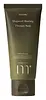 Key Ingredients
Benefits
Concerns
Ingredients Side-by-side
Glycerin
Humectant


Butylene Glycol
Humectant
Sorbitan Sesquioleate
Emulsifying

Cetearyl Olivate
Sorbitan Olivate
Emulsifying
Water
Skin ConditioningArtemisia Princeps Leaf Oil
Skin Conditioning
Dipropylene Glycol
HumectantAmmonium Acryloyldimethyltaurate/Vp Copolymer
Hydroxyacetophenone
Antioxidant
Salvia Officinalis Leaf Extract
CleansingAllantoin
Skin Conditioning

Bentonite
Absorbent

CI 77288
Cosmetic ColorantCaprylyl Glycol
Emollient
Arctium Majus Root Extract
Skin Conditioning
Melissa Officinalis Leaf Extract
Skin ConditioningJuniperus Communis Fruit Extract
Perfuming
Viscum Album Extract
Skin Conditioning1,2-Hexanediol
Skin Conditioning
Allyl Butyrate
Perfuming
Dipotassium Glycyrrhizate
Humectant
Saponaria Officinalis Root Extract
Skin ConditioningHamamelis Virginiana Bark/Leaf Extract
AstringentOenothera Biennis Flower Extract
AstringentPiper Nigrum Seed Extract
RefreshingPoria Cocos Extract
Skin ConditioningCastanea Crenata Shell Extract
Skin ConditioningAvena Sativa Kernel Extract
Abrasive
Pueraria Lobata Root Extract
HumectantAster Scaber Extract
Skin ConditioningPaeonia Suffruticosa Extract
Skin ConditioningVeronica Officinalis Leaf Extract
Skin ConditioningUlmus Davidiana Root Extract
Skin Conditioning
Hypericum Perforatum Extract
AntimicrobialSimmondsia Chinensis Seed Oil
Emollient
Calamine
AbsorbentKaolin
Abrasive
Olea Europaea Fruit Oil
Masking

Gluconolactone
Chelating



Ethylhexylglycerin
Skin ConditioningPalmitoyl Tripeptide-5
Skin Conditioning
Glycerin, Butylene Glycol, Sorbitan Sesquioleate, Cetearyl Olivate, Sorbitan Olivate, Water, Artemisia Princeps Leaf Oil, Dipropylene Glycol, Ammonium Acryloyldimethyltaurate/Vp Copolymer, Hydroxyacetophenone, Salvia Officinalis Leaf Extract, Allantoin, Bentonite, CI 77288, Caprylyl Glycol, Arctium Majus Root Extract, Melissa Officinalis Leaf Extract, Juniperus Communis Fruit Extract, Viscum Album Extract, 1,2-Hexanediol, Allyl Butyrate, Dipotassium Glycyrrhizate, Saponaria Officinalis Root Extract, Hamamelis Virginiana Bark/Leaf Extract, Oenothera Biennis Flower Extract, Piper Nigrum Seed Extract, Poria Cocos Extract, Castanea Crenata Shell Extract, Avena Sativa Kernel Extract, Pueraria Lobata Root Extract, Aster Scaber Extract, Paeonia Suffruticosa Extract, Veronica Officinalis Leaf Extract, Ulmus Davidiana Root Extract, Hypericum Perforatum Extract, Simmondsia Chinensis Seed Oil, Calamine, Kaolin, Olea Europaea Fruit Oil, Gluconolactone, Ethylhexylglycerin, Palmitoyl Tripeptide-5
Water
Skin ConditioningKaolin 18%
Abrasive
Dipropylene Glycol
HumectantGlycerin
Humectant
CI 77891
Cosmetic ColorantButylene Glycol
Humectant
Sodium Stearate
Cleansing1,2-Hexanediol
Skin Conditioning
Aloe Barbadensis Leaf Extract
Emollient
Phaseolus Angularis Seed Powder
Cetearyl Olivate
Propanediol
Solvent
Sorbitan Olivate
Emulsifying
Dimethicone
Emollient
CI 77491
Cosmetic ColorantCentella Asiatica Extract 0.05%
Cleansing
Ethylhexylglycerin
Skin ConditioningSodium Phytate
ChelatingBentonite
Absorbent
Illite
Abrasive
Mineral Salts
Skin ConditioningMontmorillonite
AbsorbentCalamine
AbsorbentWater, Kaolin 18%, Dipropylene Glycol, Glycerin, CI 77891, Butylene Glycol, Sodium Stearate, 1,2-Hexanediol, Aloe Barbadensis Leaf Extract, Phaseolus Angularis Seed Powder, Cetearyl Olivate, Propanediol, Sorbitan Olivate, Dimethicone, CI 77491, Centella Asiatica Extract 0.05%, Ethylhexylglycerin, Sodium Phytate, Bentonite, Illite, Mineral Salts, Montmorillonite, Calamine
Reviews
Ingredients Explained
These ingredients are found in both products.
Ingredients higher up in an ingredient list are typically present in a larger amount.
1,2-Hexanediol is a synthetic liquid and another multi-functional powerhouse.
It is a:
- Humectant, drawing moisture into the skin
- Emollient, helping to soften skin
- Solvent, dispersing and stabilizing formulas
- Preservative booster, enhancing the antimicrobial activity of other preservatives
Bentonite is an aluminium phyllosilicate clay with great absorbent properties. The name 'bentonite' comes from the area where the largest source is found: Fort Benton, Wyoming.
As a clay, bentonite is often used to absorb excess oil and provide exfoliation. It has also been shown to have some antibacterial and anti-inflammatory properties. Studies show bentonite was effective at calming dermatitis from poison ivy and in diaper dermatitis of infants. Bentonite has also been shown to act as a barrier against toxic compounds on your skin.
Sunscreens containing bentonite display higher water resistance and stay on the skin for much longer. The sunscreens containing bentonite also show higher potency and UV light absorbtion.
Bentonite is naturally created from volcanic ash and several natural weathering/hydrothermal processes.
A common usage of bentonite is removing excess protein from white wines. Bentonite contains a property of being able to absorb large amounts of protein from aqueous solutions.
Phyllosilicate clay has a structure formed by sheets.
Learn more about BentoniteButylene Glycol (or BG) is used within cosmetic products for a few different reasons:
Overall, Butylene Glycol is a safe and well-rounded ingredient that works well with other ingredients.
Though this ingredient works well with most skin types, some people with sensitive skin may experience a reaction such as allergic rashes, closed comedones, or itchiness.
Learn more about Butylene GlycolCalamine is a "pink powder" that is used to calm itchy or irritated skin. In official medical standards, calamine is basically almost all zinc oxide with a tiny bit of iron oxide added for the pink color.
Lab testing requires that it’s at least 98% zinc oxide, which just means it has to be very pure and mostly zinc oxide.
In skincare, calamine can help relieve itches, calm skin, and absorb excess moisture/oil. This is why you'll often see it used for oozing rashes. Calamine is approved as a skin protectant active at 1-25% in US OTC drug products.
A big part of calamine's soothing effect comes from zinc oxide's protective properties. Since calamine can absorb excess moisture/oil, it might be drying for already dry skin types.
A review of topical medicament allergies notes that contact dermatitis from calamine isn't typically reported, but added actives in a formulation are known sensitizers.
Learn more about CalamineCetearyl Olivate is a plant-derived emulsifier and texture enhancer. It helps keep the oil and water phases from separating so your formulas stay stable.
You'll likely see it combined with Sorbitan Olivate (together sold as the trade name Olivem 1000). This combination generates a liquid crystal structure that closely resemble the lipid organization of the stratum corneum.
These "skin-like" liquid crystals improve skin barrier integrity and promote the delivery of actives into the skin.
This ingredient is well-tolerated and has no significant sensitization data.
Because it is derived from the fatty acids in olive oil, this ingredient may not be fungal acne safe.
Learn more about Cetearyl OlivateDipropylene Glycol is a synthetically created humectant, stabilizer, and solvent.
This ingredient helps:
Dipropylene glycol is technically an alcohol, but it belongs to the glycol family (often considered part of the ‘good’ alcohols). This means it is hydrating and gentle on skin unlike drying solvent alcohols like denatured alcohol.
As a masking agent, Dipropylene Glycol can be used to cover the smell of other ingredients. However, it does not have a scent.
Studies show Dipropylene Glycol is considered safe to use in skincare.
Learn more about Dipropylene GlycolEthylhexylglycerin is created from glycerin. It is a multitasker ingredient that:
The CIR Expert Panel found minimal skin absorption or sensitization of any kind in a safety assessment. Though this ingredient is considered well-tolerated, a small number of cases of allergic dermatitis have been published since 2002. Just be sure to patch test if you are unsure.
Industry-reported use ranges from 8% in rinse-off products and 2% in leave-on formulations.
Learn more about EthylhexylglycerinGlycerin (or glycerol) is a compound naturally found in your skin. It's a powerhouse humectant that pulls water into the stratum corneum.
Topically, glycerin does several things at once:
Your skin makes glycerin on its own (mostly from sebaceous oil breakdown) and shuttles it to your outermost layer of skin, or your epidermis, via aquaporin-3.
Aquaporin-3 is a transporter that is essential for normal skin hydration, elasticity, and repair. Interestingly, mice lacking in AQP3 have dry and less elastic skin that can be fully corrected with glycerin.
This ingredient is non-irritating, plays well with almost every ingredient, and works across all skin types. Typical use is anywhere between 3-10% but can go up to 79% in some leave-on products.
Just know very high concentrations (>40%) can feel tacky in low humidity.
Glycerin is the name for this ingredient in American English. British English uses Glycerol/Glycerine.
Learn more about GlycerinKaolin is a clay. It is used for oil control and to help minimize pores. Like other clays, kaolin has the ability to absorb excess sebum or oil. This can help clean out pores and mattify the skin.
Some types of kaolin may have exfoliating properties. When water is added to kaolin, it becomes a paste with small abrasive particles.
Most kaolin is a white color, but may be pink/orange/red depending on where it comes from.
The name 'kaolin' comes from a Chinese village named 'Gaoling'. Kaolin clay comes from rocks rich in kaolinite. Kaolinite, the mineral, has a silicate layered structure. Kaolinite is formed from chemical weathering of aluminum siilicate minerals.
Besides skincare, kaolin is commonly used to make glossy paper, in ceramics, toothpaste, and as medicine to soothe stomach issues.
Learn more about KaolinSorbitan Olivate is created from the fatty acids in olive oil and sorbitol.
This ingredient is an oil in water emulsifier. It helps stabilize a product by preventing oils and waters from separating. Sorbitan Olivate also helps hydrate the skin.
This ingredient is also known as part of Olivem 1000, with Cetearyl Olivate being the other part.
According to a manufacturer, this ingredient helps preserve the natural microbiome of skin. Having a healthy microbiome helps keep our skin healthy and protects against harmful bacteria.
Please note, having a healthy microbiome is different from fungal acne; a healthy microbiome includes small amounts of yeast that normally live on your skin without causing problems.
Fungal acne happens when one type of yeast (Malassezia) grows out of control. This is usually because it's feeding on certain oils or fatty acids. Due to the olive oil base, this ingredient may not be fungal acne safe.
Learn more about Sorbitan OlivateWater. It's the most common cosmetic ingredient of all. You'll usually see it at the top of ingredient lists, meaning that it makes up the largest part of the product.
So why is it so popular? Water most often acts as a solvent - this means that it helps dissolve other ingredients into the formulation.
You'll also recognize water as that liquid we all need to stay alive. If you see this, drink a glass of water. Remember to stay hydrated!
Learn more about Water

