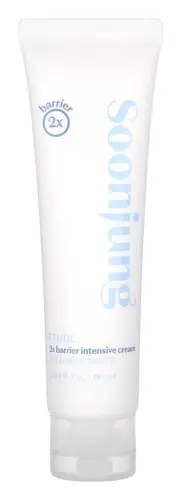
What's inside
What's inside
 Key Ingredients
Benefits
Concerns
Ingredients Side-by-side
Water
Skin ConditioningDipropylene Glycol
HumectantMethylpropanediol
SolventNiacinamide
Smoothing











Glycerin
Humectant
Methyl Gluceth-20
Humectant
1,2-Hexanediol
Skin Conditioning
Hydroxyacetophenone
Antioxidant
Diethoxyethyl Succinate
SolventAmmonium Acryloyldimethyltaurate/Vp Copolymer
Arginine
Masking
Acrylates/C10-30 Alkyl Acrylate Crosspolymer
Emulsion StabilisingCarbomer
Emulsion StabilisingPanthenol
Skin Conditioning
Butylene Glycol
Humectant
Allantoin
Skin Conditioning
Dipotassium Glycyrrhizate
Humectant
Glyceryl Acrylate/Acrylic Acid Copolymer
HumectantPvm/Ma Copolymer
Emulsion StabilisingSalix Alba Bark Extract
Astringent
Sodium Hyaluronate
Humectant
Biosaccharide Gum-1
Humectant
Oligopeptide-19
Skin Conditioning
Copper Tripeptide-1
Skin Conditioning
Melaleuca Alternifolia Leaf Water
Antimicrobial
Ethylhexylglycerin
Skin ConditioningAlanine
Masking
Serine
Masking
Glutamic Acid
Humectant
Glycine
Buffering
Hydrogenated Lecithin
Emulsifying
Melaleuca Alternifolia Leaf Extract
Perfuming
Sorbitan Olivate
Emulsifying

Cetearyl Olivate
Glucose
Humectant
Hexapeptide-61 Dimer
Skin Conditioning
Solanum Melongena Fruit Extract
Skin ConditioningLupeol
Skin ConditioningWater, Dipropylene Glycol, Methylpropanediol, Niacinamide, Glycerin, Methyl Gluceth-20, 1,2-Hexanediol, Hydroxyacetophenone, Diethoxyethyl Succinate, Ammonium Acryloyldimethyltaurate/Vp Copolymer, Arginine, Acrylates/C10-30 Alkyl Acrylate Crosspolymer, Carbomer, Panthenol, Butylene Glycol, Allantoin, Dipotassium Glycyrrhizate, Glyceryl Acrylate/Acrylic Acid Copolymer, Pvm/Ma Copolymer, Salix Alba Bark Extract, Sodium Hyaluronate, Biosaccharide Gum-1, Oligopeptide-19, Copper Tripeptide-1, Melaleuca Alternifolia Leaf Water, Ethylhexylglycerin, Alanine, Serine, Glutamic Acid, Glycine, Hydrogenated Lecithin, Melaleuca Alternifolia Leaf Extract, Sorbitan Olivate, Cetearyl Olivate, Glucose, Hexapeptide-61 Dimer, Solanum Melongena Fruit Extract, Lupeol
Water
Skin ConditioningPropanediol
Solvent
Panthenol
Skin Conditioning
Squalane
Emollient
Cetearyl Alcohol
Emollient




Madecassoside
Antioxidant
Camellia Sinensis Leaf Extract
Antimicrobial
Butylene Glycol
Humectant
Hydrogenated Lecithin
Emulsifying
Glyceryl Stearate
Emollient
Diisostearyl Malate
EmollientCetearyl Glucoside
Emulsifying
Stearic Acid
Cleansing
Acrylates/C10-30 Alkyl Acrylate Crosspolymer
Emulsion StabilisingTromethamine
BufferingPolyglyceryl-10 Stearate
Skin Conditioning
Polyglyceryl-3 Methylglucose Distearate
Emulsifying
Hydroxyethyl Acrylate/Sodium Acryloyldimethyl Taurate Copolymer
Emulsion StabilisingDisodium EDTA
1,2-Hexanediol
Skin Conditioning
Water, Propanediol, Panthenol, Squalane, Cetearyl Alcohol, Madecassoside, Camellia Sinensis Leaf Extract, Butylene Glycol, Hydrogenated Lecithin, Glyceryl Stearate, Diisostearyl Malate, Cetearyl Glucoside, Stearic Acid, Acrylates/C10-30 Alkyl Acrylate Crosspolymer, Tromethamine, Polyglyceryl-10 Stearate, Polyglyceryl-3 Methylglucose Distearate, Hydroxyethyl Acrylate/Sodium Acryloyldimethyl Taurate Copolymer, Disodium EDTA, 1,2-Hexanediol
Reviews
Ingredients Explained
These ingredients are found in both products.
Ingredients higher up in an ingredient list are typically present in a larger amount.
1,2-Hexanediol is a synthetic liquid and another multi-functional powerhouse.
It is a:
- Humectant, drawing moisture into the skin
- Emollient, helping to soften skin
- Solvent, dispersing and stabilizing formulas
- Preservative booster, enhancing the antimicrobial activity of other preservatives
Acrylates/C10-30 Alkyl Acrylate Crosspolymer is a synthetic polymer. It is used to thicken, emulsify, and improve the texture of products.
As an emulsifier, it helps stabilize oil-in-water emulsions to give products an elegant feel when applied.
It can also form a thin protective film on skin. One study found that a formula using this polymer helped slow down how quickly other ingredients (like DEET) were absorbed through skin.
A 2024 study of over 1,300 patients confirmed that sensitization to this ingredient is rare. It is also non-mutagenic and has a clean track record.
Learn more about Acrylates/C10-30 Alkyl Acrylate CrosspolymerButylene Glycol (or BG) is used within cosmetic products for a few different reasons:
Overall, Butylene Glycol is a safe and well-rounded ingredient that works well with other ingredients.
Though this ingredient works well with most skin types, some people with sensitive skin may experience a reaction such as allergic rashes, closed comedones, or itchiness.
Learn more about Butylene GlycolHydrogenated Lecithin is a more stable version of lecithin.
It's made by taking lecithin (a phospholipid commonly found in soybeans and egg yolks) and hydrogenating it. This just means the unsaturated fatty acids are turned into saturated ones so they don't go bad as easily.
This ingredient is an emollient, emulsifier, and penetration enhancer. As an emollient, it helps soften and hydrate skin by trapping moisture within. As an emulsifier, it prevents oil and water ingredients from separating.
Hydrogenated Lecithin can form tiny spherical structures made of phospholipid bilayers called liposomes. These liposomes are able to capture compounds inside their structure and deliver them through the skin barrier.
Because phospholipids are a natural component of our cell membranes, this ingredient is inherently compatible with skin.
A 2021 study found lecithin-based surfactants were less harsh and more tolerable comared to Sodium Lauryl Sulfate (SLS).
Learn more about Hydrogenated LecithinPanthenol is a common ingredient that helps hydrate and soothe the skin. It is found naturally in our skin and hair.
There are two forms of panthenol: D and L.
D-panthenol is also known as dexpanthenol. Most cosmetics use dexpanthenol or a mixture of D and L-panthenol.
Panthenol is famous due to its ability to go deeper into the skin's layers. Using this ingredient has numerous pros (and no cons):
Like hyaluronic acid, panthenol is a humectant. Humectants are able to bind and hold large amounts of water to keep skin hydrated.
This ingredient works well for wound healing. It works by increasing tissue in the wound and helps close open wounds.
Once oxidized, panthenol converts to pantothenic acid. Panthothenic acid is found in all living cells.
This ingredient is also referred to as pro-vitamin B5.
Learn more about PanthenolWater. It's the most common cosmetic ingredient of all. You'll usually see it at the top of ingredient lists, meaning that it makes up the largest part of the product.
So why is it so popular? Water most often acts as a solvent - this means that it helps dissolve other ingredients into the formulation.
You'll also recognize water as that liquid we all need to stay alive. If you see this, drink a glass of water. Remember to stay hydrated!
Learn more about Water