
What's inside
What's inside
 Key Ingredients
No key ingredients
Benefits
Concerns
Ingredients Side-by-side
Water
Skin ConditioningZinc Oxide
Cosmetic Colorant


Petrolatum
Emollient



Caprylic/Capric Triglyceride
Masking

Dimethicone
Emollient

Glycerin
Humectant
Microcrystalline Wax
Emulsion StabilisingPanthenol
Skin Conditioning

Helianthus Annuus Seed Oil
Emollient

Magnesium Sulfate
C18-38 Alkyl Hydroxystearoyl Stearate
EmollientPolyglyceryl-2 Oleate
Emulsifying
Glyceryl Stearate
Emollient
Polyhydroxystearic Acid
Emulsifying
Caprylyl Glycol
Emollient
Polyglyceryl-2 Stearate
Emulsifying
Xanthan Gum
EmulsifyingEthylhexylglycerin
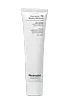
Skin ConditioningWater, Zinc Oxide, Petrolatum, Caprylic/Capric Triglyceride, Dimethicone, Glycerin, Microcrystalline Wax, Panthenol, Helianthus Annuus Seed Oil, Magnesium Sulfate, C18-38 Alkyl Hydroxystearoyl Stearate, Polyglyceryl-2 Oleate, Glyceryl Stearate, Polyhydroxystearic Acid, Caprylyl Glycol, Polyglyceryl-2 Stearate, Xanthan Gum, Ethylhexylglycerin
Water
Skin ConditioningIsostearyl Isostearate
Emollient

Dimethicone
Emollient
Cetearyl Alcohol
Emollient
Ceteareth-20
Cleansing
Microcrystalline Wax
Emulsion StabilisingSqualane
Emollient
Sodium Hyaluronate
Humectant
Ceramide NP
Skin Conditioning
Ceramide AP
Skin Conditioning
Avena Sativa Kernel Extract
Abrasive

Allantoin
Skin Conditioning
Panthenol
Skin Conditioning
Carbomer
Emulsion StabilisingCaprylyl Glycol
Emollient
Pentylene Glycol
Skin Conditioning
Ethylhexylglycerin
Skin ConditioningSodium Hydroxide
BufferingTrisodium Ethylenediamine Disuccinate
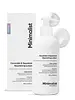
ChelatingWater, Isostearyl Isostearate, Dimethicone, Cetearyl Alcohol, Ceteareth-20, Microcrystalline Wax, Squalane, Sodium Hyaluronate, Ceramide NP, Ceramide AP, Avena Sativa Kernel Extract, Allantoin, Panthenol, Carbomer, Caprylyl Glycol, Pentylene Glycol, Ethylhexylglycerin, Sodium Hydroxide, Trisodium Ethylenediamine Disuccinate
Ingredients Explained
These ingredients are found in both products.
Ingredients higher up in an ingredient list are typically present in a larger amount.
Caprylyl Glycol is a humectant, skin conditioner, emollient, and preservative booster derived from either caprylic acid or synthetically created.
Typical use levels vary from 0.3-1% as a preservative booster and go up to 2% to condition skin.
Because it is not a free-fatty acid, this ingredient is fungal acne safe (there's nothing for Malassezia to feed on).
Learn more about Caprylyl GlycolDimethicone is a type of synthetic silicone created from natural materials such as quartz. It is also known as polydimethylsiloxane.
What it does:
Dimethicone comes in different viscosities:
Depending on the viscosity, dimethicone has different properties.
Ingredients lists don't always show which type is used, so we recommend reaching out to the brand if you have questions about the viscosity.
This ingredient is unlikely to cause irritation because it does not get absorbed into skin. However, people with silicone allergies should be careful about using this ingredient.
Note: Dimethicone may contribute to pilling. This is because it is not oil or water soluble, so pilling may occur when layered with products. When mixed with heavy oils in a formula, the outcome is also quite greasy.
Learn more about DimethiconeEthylhexylglycerin is created from glycerin. It is a multitasker ingredient that:
The CIR Expert Panel found minimal skin absorption or sensitization of any kind in a safety assessment. Though this ingredient is considered well-tolerated, a small number of cases of allergic dermatitis have been published since 2002. Just be sure to patch test if you are unsure.
Industry-reported use ranges from 8% in rinse-off products and 2% in leave-on formulations.
Learn more about EthylhexylglycerinMicrocrystalline Wax is derived from petroleum through a de-oiling process, then highly refined and purified before use in cosmetics.
In skincare formulations, it is used to improve texture and create a smooth, even consistency. It also helps stabilize products by preventing ingredients from separating.
Panthenol is a common ingredient that helps hydrate and soothe the skin. It is found naturally in our skin and hair.
There are two forms of panthenol: D and L.
D-panthenol is also known as dexpanthenol. Most cosmetics use dexpanthenol or a mixture of D and L-panthenol.
Panthenol is famous due to its ability to go deeper into the skin's layers. Using this ingredient has numerous pros (and no cons):
Like hyaluronic acid, panthenol is a humectant. Humectants are able to bind and hold large amounts of water to keep skin hydrated.
This ingredient works well for wound healing. It works by increasing tissue in the wound and helps close open wounds.
Once oxidized, panthenol converts to pantothenic acid. Panthothenic acid is found in all living cells.
This ingredient is also referred to as pro-vitamin B5.
Learn more about PanthenolWater. It's the most common cosmetic ingredient of all. You'll usually see it at the top of ingredient lists, meaning that it makes up the largest part of the product.
So why is it so popular? Water most often acts as a solvent - this means that it helps dissolve other ingredients into the formulation.
You'll also recognize water as that liquid we all need to stay alive. If you see this, drink a glass of water. Remember to stay hydrated!
Learn more about Water

