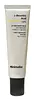
This brightening lip moisturizer is formulated around Ascorbic Acid to fade the look of dark spots and brighten dull-looking skin.
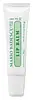
This barrier-repair lip moisturizer is formulated around Persea Gratissima Oil and Butyrospermum Parkii Butter to strengthen the lip barrier and hydrate lips.


What's inside
What's inside
 Key Ingredients
Benefits
Concerns
Ingredients Side-by-side
Glycerin
Humectant


Petrolatum
Emollient


Octyldodecanol
Emollient
Propanediol
Solvent
Propylene Glycol
Humectant

Ascorbic Acid
Antioxidant





Hydrogenated Polyisobutene
EmollientIsoamyl Laurate
Emollient
Persea Gratissima Butter
Skin Conditioning
Cetyl Diglyceryl Tris(Trimethylsiloxy)Silylethyl Dimethicone
Emulsion Stabilising
C10-18 Triglycerides
Emollient
Euphorbia Cerifera Wax
Cera Microcristallina
Emulsion StabilisingOzokerite
Emulsion StabilisingHydroxyphenoxy Propionic Acid
Skin ConditioningTocopheryl Acetate
Antioxidant
Dibutyl Ethylhexanoyl Glutamide
Skin ConditioningDibutyl Lauroyl Glutamide
Skin ConditioningCoffea Arabica Seed Oil
Masking
Hydrogenated Vegetable Oil
Emollient
BHT
Antioxidant
Glycerin, Petrolatum, Octyldodecanol, Propanediol, Propylene Glycol, Ascorbic Acid, Hydrogenated Polyisobutene, Isoamyl Laurate, Persea Gratissima Butter, Cetyl Diglyceryl Tris(Trimethylsiloxy)Silylethyl Dimethicone, C10-18 Triglycerides, Euphorbia Cerifera Wax, Cera Microcristallina, Ozokerite, Hydroxyphenoxy Propionic Acid, Tocopheryl Acetate, Dibutyl Ethylhexanoyl Glutamide, Dibutyl Lauroyl Glutamide, Coffea Arabica Seed Oil, Hydrogenated Vegetable Oil, BHT
Hydrogenated Polydecene
EmollientCocoglycerides
Emollient
Ethylene/Propylene/Styrene Copolymer
Dimethicone
Emollient
Brassica Glycerides
EmollientPersea Gratissima Oil
Skin Conditioning
Glyceryl Behenate
Emollient
Microcrystalline Cellulose
AbsorbentPolyhydroxystearic Acid
Emulsifying
Jojoba Esters
Emollient
Helianthus Annuus Seed Wax
Skin Conditioning
Theobroma Cacao Seed Butter
Emollient
Prunus Amygdalus Dulcis Oil
Skin Conditioning
Butyrospermum Parkii Butter
Skin Conditioning
Silica Silylate
Emollient
Silica
Abrasive

Cera Alba
Emollient
Chamomilla Recutita Flower Extract
Masking

Raspberry Seed Oil/Tocopheryl Succinate Aminopropanediol Esters
Skin Conditioning
Dimethicone Crosspolymer
Emulsion Stabilising
Dimethicone/Vinyl Dimethicone Crosspolymer
Skin Conditioning
Aloe Barbadensis Leaf Extract
Emollient
Cocos Nucifera Oil
Masking
Glyceryl Rosinate
Perfuming
Hydrogenated Vegetable Oil
Emollient
Olea Europaea Oil Unsaponifiables
Skin Conditioning
Acacia Decurrens Flower Cera
Emollient
Tocopherol
Antioxidant
Butylene/Ethylene/Styrene Copolymer
Euphorbia Cerifera Wax
Polysorbate 80
Emulsifying
Polyglycerin-3
Humectant
Linoleic Acid
Cleansing
Hydrolyzed Corn Starch
HumectantSucralose
Skin ConditioningAroma
Linolenic Acid
Cleansing
Hydrated Silica
Abrasive
Pentaerythrityl Tetra-Di-T-Butyl Hydroxyhydrocinnamate
Antioxidant
Hydrogenated Polydecene, Cocoglycerides, Ethylene/Propylene/Styrene Copolymer, Dimethicone, Brassica Glycerides, Persea Gratissima Oil, Glyceryl Behenate, Microcrystalline Cellulose, Polyhydroxystearic Acid, Jojoba Esters, Helianthus Annuus Seed Wax, Theobroma Cacao Seed Butter, Prunus Amygdalus Dulcis Oil, Butyrospermum Parkii Butter, Silica Silylate, Silica, Cera Alba, Chamomilla Recutita Flower Extract, Raspberry Seed Oil/Tocopheryl Succinate Aminopropanediol Esters, Dimethicone Crosspolymer, Dimethicone/Vinyl Dimethicone Crosspolymer, Aloe Barbadensis Leaf Extract, Cocos Nucifera Oil, Glyceryl Rosinate, Hydrogenated Vegetable Oil, Olea Europaea Oil Unsaponifiables, Acacia Decurrens Flower Cera, Tocopherol, Butylene/Ethylene/Styrene Copolymer, Euphorbia Cerifera Wax, Polysorbate 80, Polyglycerin-3, Linoleic Acid, Hydrolyzed Corn Starch, Sucralose, Aroma, Linolenic Acid, Hydrated Silica, Pentaerythrityl Tetra-Di-T-Butyl Hydroxyhydrocinnamate
Reviews
Ingredients Explained
These ingredients are found in both products.
Ingredients higher up in an ingredient list are typically present in a larger amount.
Hydrogenated Vegetable Oil isn't a single oil. It's the labeling name for a blend of plant-derived oils that can include canola, rapeseed, safflower, sunflower, sesame, palm, palm kernel, cotton, soybean, olive, and more.
Hydrogenation is the processing step that reduces or removes the unsaturated bonds in the fatty acids to make the oil more resistant to oxidative and thermal damage.
In cosmetics, it acts as a skin conditioner, occlusive, and emollient that give products a rich body.
Concentrations are reported from 0.0004% to 60% with leave-on products going as high as 60% and rinse-off products staying at 8% or below.
The Cosmetic Ingredient Review has concluded this ingredient to be safe as used in cosmetics.
This ingredient does have a comedogenic rating of 3, but this doesn't mean a formula with this ingredient will clog pores. Human testing has proved that any finished product with this ingredient won't automatically make you break out; it really comes down to concentration, formula, and your skin.
Since this ingredient is a triglyceride built mostly from C16 and C18 fatty acids, this ingredient may not be fungal acne safe as that falls into the range the Malassezia yeast can metabolize.
Allergy-wise, the proteins responsible for plant food allergies are taken out of the refined oil. This is why reactions to refined oils are rare even from highly allergenic sources like peanut. Well-designed studies have also shown refined peanut oil is safely tolerated by the vast majority of peanut-allergic people.
However, the issue is with unrefined oils; be sure to reach out to the manufacturer if you have a plant food allergy about the type of oil used in their products.
The other catch for this INCI name is that it doesn't tell you which plants are in the blend so you would need to ask the brand.
Learn more about Hydrogenated Vegetable OilEuphorbia Cerifera Wax (aka candelilla wax) is a vegan stand-in for beeswax. It is a plant-derived wax that functions as an astringent, emulsion stabilizer, film-former, and skin conditioner.
On skin, it forms a protective barrier that helps lock in moisture while it enhances product stability, prevents separation, and helps color last longer in makeup.
This ingredient is generally safe for use in cosmetics with one nuance: some grades of candelilla wax can naturally contain benzyl alcohol at concentrations high enough to require declaration under EU labeling rules. This isn't a concern for most people but relevant for those with fragrance sensitivities.
Candelilla wax contains fatty acids (mainly C31) and wax esters that can be used by the Malassezia yeast, so this ingredient may not be fungal acne safe.
You might see Euphorbia Cerifera "Cera" instead of "wax". This is because some brands, databases, or labels use it interchangeably; they're the same ingredient.
Learn more about Euphorbia Cerifera Wax

