
What's inside
What's inside
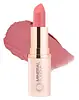 Key Ingredients
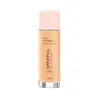
Benefits
Concerns
Ingredients Side-by-side
Helianthus Annuus Seed Oil
Emollient



Trioctyldodecyl Citrate
EmollientRicinus Communis Seed Oil
Masking
Sesamum Indicum Seed Oil
Emollient

Euphorbia Cerifera Wax
Copernicia Cerifera Wax
Hydrogenated Vegetable Oil
Emollient
Theobroma Cacao Seed Butter
Emollient
Cocos Nucifera Oil
Masking
Persea Gratissima Oil
Skin Conditioning
Punica Granatum Seed Oil
Emollient
Thymus Vulgaris Leaf Oil
Antimicrobial

Rosmarinus Officinalis Leaf Oil
Masking
Aloe Barbadensis Leaf Extract
Emollient
Camellia Sinensis Leaf Oil
Antioxidant
Lavandula Intermedia Flower/Leaf/Stem Oil
Perfuming


Tocopherol
Antioxidant




Ethylhexylglycerin
Skin ConditioningPhenethyl Alcohol
MaskingMica
Cosmetic ColorantTitanium Dioxide
Cosmetic Colorant

Iron Oxides
CI 15850
Cosmetic ColorantHelianthus Annuus Seed Oil, Trioctyldodecyl Citrate, Ricinus Communis Seed Oil, Sesamum Indicum Seed Oil, Euphorbia Cerifera Wax, Copernicia Cerifera Wax, Hydrogenated Vegetable Oil, Theobroma Cacao Seed Butter, Cocos Nucifera Oil, Persea Gratissima Oil, Punica Granatum Seed Oil, Thymus Vulgaris Leaf Oil, Rosmarinus Officinalis Leaf Oil, Aloe Barbadensis Leaf Extract, Camellia Sinensis Leaf Oil, Lavandula Intermedia Flower/Leaf/Stem Oil, Tocopherol, Ethylhexylglycerin, Phenethyl Alcohol, Mica, Titanium Dioxide, Iron Oxides, CI 15850
Water
Skin ConditioningIsopropyl Palmitate
Emollient
Sorbitan Sesquioleate
Emulsifying
Caprylic/Capric Triglyceride
Masking
Glycerin
Humectant
Mica
Cosmetic ColorantSilica
Abrasive


Polysorbate 20
Emulsifying
Potassium Cetyl Phosphate
EmulsifyingDimethicone
Emollient
Cetearyl Olivate
Sorbitan Olivate
Emulsifying
Phenoxyethanol
Preservative
Palmitoyl Tripeptide-5
Skin Conditioning

Carthamus Tinctorius Seed Oil
Masking
Chamomilla Recutita Flower Extract
Masking
Lavandula Angustifolia Flower Extract
Cleansing
Olea Europaea Leaf Extract
Perfuming
Punica Granatum Extract
AstringentAspalathus Linearis Leaf Extract
Skin ConditioningGlycyrrhiza Glabra Leaf Extract
Skin ConditioningAloe Barbadensis Leaf Juice
Skin Conditioning
Ascorbyl Palmitate
Antioxidant
Tocopherol
Antioxidant
Camellia Sinensis Leaf Extract
Antimicrobial
Glycine Soja Oil
Emollient
Caprylyl Glycol
Emollient
Ethylhexylglycerin
Skin ConditioningHydroxyethylcellulose
Emulsion StabilisingTocopheryl Acetate
Antioxidant
Water, Isopropyl Palmitate, Sorbitan Sesquioleate, Caprylic/Capric Triglyceride, Glycerin, Mica, Silica, Polysorbate 20, Potassium Cetyl Phosphate, Dimethicone, Cetearyl Olivate, Sorbitan Olivate, Phenoxyethanol, Palmitoyl Tripeptide-5, Carthamus Tinctorius Seed Oil, Chamomilla Recutita Flower Extract, Lavandula Angustifolia Flower Extract, Olea Europaea Leaf Extract, Punica Granatum Extract, Aspalathus Linearis Leaf Extract, Glycyrrhiza Glabra Leaf Extract, Aloe Barbadensis Leaf Juice, Ascorbyl Palmitate, Tocopherol, Camellia Sinensis Leaf Extract, Glycine Soja Oil, Caprylyl Glycol, Ethylhexylglycerin, Hydroxyethylcellulose, Tocopheryl Acetate
Ingredients Explained
These ingredients are found in both products.
Ingredients higher up in an ingredient list are typically present in a larger amount.
Ethylhexylglycerin is created from glycerin. It is a multitasker ingredient that:
The CIR Expert Panel found minimal skin absorption or sensitization of any kind in a safety assessment. Though this ingredient is considered well-tolerated, a small number of cases of allergic dermatitis have been published since 2002. Just be sure to patch test if you are unsure.
Industry-reported use ranges from 8% in rinse-off products and 2% in leave-on formulations.
Learn more about EthylhexylglycerinMica is a naturally occurring mineral used to add shimmer and color in cosmetics. It can also help improve the texture of a product or give it an opaque, white/silver color.
Serecite is the name for very fine but ragged grains of mica.
This ingredient is often coated with metal oxides like titanium dioxide. Trace amounts of heavy metals may be found in mica, but these metals are not harmful in our personal products.
Mica has been used since prehistoric times throughout the world. Ancient Egyptian, Indian, Greek, Roman, Aztec, and Chinese civilizations have used mica.
Learn more about MicaTocopherol is a fat-soluble antioxidant known as Vitamin E.
You'll find this ingredient in the vast majority of skincare (for good reason). It works to neutralize free radicals, or unstable molecules generated by UV exposure, pollution, and other environmental stressors, before they can cause oxidative damage to your skin cells.
Topically applied tocopherol has been shown to protect against UV damage by ramping up the skin's own natural defense enzymes.
It also acts as a skin conditioning agent; some studies show that regular topical use can improve the skin's water-binding capacity over 2-4 weeks.
This ingredient is especially loved for being a team player. When combined with Vitamin C, the photoprotective effect of both ingredients roughly doubles and the combo also helps reduce UV-induced DNA damage.
This ingredient has some brightening potential but it's more of a prevention ingredient than spot-fader. Cell studies show it can slow down melanin production but it's worth noting that it's not the most powerful brightener out there.
In formulations, it also serves as a stabilizer that helps protect other oxidation-prone ingredients from degrading.
Concentrations usually range from 0.1-1% in most leave-on products.
Learn more about Tocopherol

