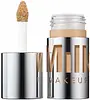
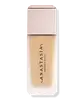
Milk Makeup Future Fluid Creamy Hydrating Concealer Versus Anastasia Beverly Hills Impeccable Blurring Second-Skin Matte Foundation

What's inside
What's inside
 Key Ingredients
Benefits
Concerns
No concerns
Ingredients Side-by-side
Water
Skin ConditioningCaprylic/Capric Triglyceride
Masking


Polyglyceryl-6 Polyricinoleate
Emulsifying
Butylene Glycol
Humectant
Ethylhexyl Olivate
Skin Conditioning
Glycerin
Humectant
Heptyl Undecylenate
EmollientPolyglyceryl-2 Isostearate
Emulsifying
Disteardimonium Hectorite
StabilisingPolyglyceryl-10 Pentaisostearate
Emollient
Magnesium Sulfate
Aloe Barbadensis Leaf Juice
Skin Conditioning

Collagen Amino Acids
Moisturising
Caffeine
Skin Conditioning
Hedychium Coronarium Root Extract
MaskingEchium Plantagineum Seed Oil
Skin Conditioning
Helianthus Annuus Seed Oil Unsaponifiables
Emollient
Arnica Montana Flower Extract
Masking
Orobanche Rapum Extract
Skin ProtectingCardiospermum Halicacabum Flower/Leaf/Vine Extract
Skin ConditioningTocopherol
Antioxidant



Hydrogenated Lecithin
Emulsifying
Squalane
Emollient
Octyldodecanol
Emollient
Silica
Abrasive


Propanediol
Solvent
Mica
Cosmetic ColorantEthylhexylglycerin
Skin ConditioningSodium Hyaluronate
Humectant
Sodium Benzoate
Masking
Potassium Sorbate
Preservative
Phenoxyethanol
Preservative
CI 77891
Cosmetic ColorantIron Oxides
Water, Caprylic/Capric Triglyceride, Polyglyceryl-6 Polyricinoleate, Butylene Glycol, Ethylhexyl Olivate, Glycerin, Heptyl Undecylenate, Polyglyceryl-2 Isostearate, Disteardimonium Hectorite, Polyglyceryl-10 Pentaisostearate, Magnesium Sulfate, Aloe Barbadensis Leaf Juice, Collagen Amino Acids, Caffeine, Hedychium Coronarium Root Extract, Echium Plantagineum Seed Oil, Helianthus Annuus Seed Oil Unsaponifiables, Arnica Montana Flower Extract, Orobanche Rapum Extract, Cardiospermum Halicacabum Flower/Leaf/Vine Extract, Tocopherol, Hydrogenated Lecithin, Squalane, Octyldodecanol, Silica, Propanediol, Mica, Ethylhexylglycerin, Sodium Hyaluronate, Sodium Benzoate, Potassium Sorbate, Phenoxyethanol, CI 77891, Iron Oxides
Water
Skin ConditioningCyclopentasiloxane
Emollient
Cetyl PEG/PPG-10/1 Dimethicone
Emulsifying
C12-15 Alkyl Benzoate
AntimicrobialAlcohol
Antimicrobial




Polyglyceryl-4 Isostearate
Emulsifying
Butylene Glycol
Humectant
Disteardimonium Hectorite
StabilisingMethyl Methacrylate Crosspolymer
Bixa Orellana Seed Extract
MaskingSodium Chloride
MaskingDimethicone Crosspolymer
Emulsion Stabilising
Trimethylsiloxysilicate
Emollient
Aluminum Hydroxide
EmollientSodium Dehydroacetate
Preservative
Triethoxycaprylylsilane
1,2-Hexanediol
Skin Conditioning
Caprylyl Glycol
Emollient
Tocopheryl Acetate
Antioxidant
Sodium Phytate
Glycogen
HumectantSodium Acetylated Hyaluronate
Humectant
Maltodextrin
Absorbent
CI 77891
Cosmetic ColorantIron Oxides
CI 77491
Cosmetic ColorantCI 77492
Cosmetic ColorantCI 77499
Cosmetic ColorantWater, Cyclopentasiloxane, Cetyl PEG/PPG-10/1 Dimethicone, C12-15 Alkyl Benzoate, Alcohol, Polyglyceryl-4 Isostearate, Butylene Glycol, Disteardimonium Hectorite, Methyl Methacrylate Crosspolymer, Bixa Orellana Seed Extract, Sodium Chloride, Dimethicone Crosspolymer, Trimethylsiloxysilicate, Aluminum Hydroxide, Sodium Dehydroacetate, Triethoxycaprylylsilane, 1,2-Hexanediol, Caprylyl Glycol, Tocopheryl Acetate, Sodium Phytate, Glycogen, Sodium Acetylated Hyaluronate, Maltodextrin, CI 77891, Iron Oxides, CI 77491, CI 77492, CI 77499
Reviews
Ingredients Explained
These ingredients are found in both products.
Ingredients higher up in an ingredient list are typically present in a larger amount.
Butylene Glycol (or BG) is used within cosmetic products for a few different reasons:
Overall, Butylene Glycol is a safe and well-rounded ingredient that works well with other ingredients.
Though this ingredient works well with most skin types, some people with sensitive skin may experience a reaction such as allergic rashes, closed comedones, or itchiness.
Learn more about Butylene GlycolCi 77891 is a white pigment from Titanium dioxide. It is naturally found in minerals such as rutile and ilmenite.
It's main function is to add a white color to cosmetics. It can also be mixed with other colors to create different shades.
Ci 77891 is commonly found in sunscreens due to its ability to block UV rays.
Learn more about CI 77891Disteardimonium Hectorite comes from the clay mineral named hectorite. It is used to add thickness to a product.
It can also help stabilize a product by helping to disperse other ingredients.
Hectorite is a rare, white clay mineral.
Learn more about Disteardimonium HectoriteWater. It's the most common cosmetic ingredient of all. You'll usually see it at the top of ingredient lists, meaning that it makes up the largest part of the product.
So why is it so popular? Water most often acts as a solvent - this means that it helps dissolve other ingredients into the formulation.
You'll also recognize water as that liquid we all need to stay alive. If you see this, drink a glass of water. Remember to stay hydrated!
Learn more about WaterThis ingredient is a combination of red, black, and yellow iron oxide pigments. This combination of colors is usually found in foundation, because it results in a "skin" color.
The EU typically uses CI numbers for colorants when applicable, such as CI 77489. In the US, iron oxides are regulated as color additives and "iron oxides" is the most commonly used name in US cosmetic practice.
A 2021 paper looked at skincare formulations containing iron oxides and found that they reduced transmission of blue light when measured optically. In simple terms, the pigment particles helped block or scatter part of the visible light spectrum in lab testing and the authors suggest this could translate into better protection against blue-light-related skin effects.
There is also clinical and experimental research showing that tinted products containing iron oxides can reduce visible light-induced pigmentation:
Please note, whether a product reduces visible or blue light depends on things like:
In the EU's CosIng database, iron oxides are only listed as a colorant. CosIng groups ingredients by their main cosmetic role, such as colorant, preservative, or UV filter.
Though studies say iron oxides can "attenuate blue light", they're describing an optical property and not an officially recognized cosmetic function.
So CosIng isn’t contradicting the research. It’s just classifying iron oxides by what they officially are: pigments that add color.
Learn more about Iron Oxides
