This smoothing lip moisturizer is formulated around Punica Granatum Seed Oil and Palmitoyl Tripeptide-1 to refine skin texture and hydrate lips.


What's inside
What's inside
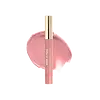 Key Ingredients
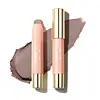
Benefits
Concerns
Ingredients Side-by-side
Diisostearyl Malate
EmollientPolyglyceryl-2 Triisostearate
Emulsifying

Bis-Behenyl/Isostearyl/Phytosteryl Dimer Dilinoleyl Dimer Dilinoleate
EmollientHydrogenated Polyisobutene
EmollientMicrocrystalline Wax
Emulsion StabilisingHydrogenated Castor Oil
Emollient

Synthetic Wax
Abrasive

Methyl Lactate
Perfuming

Punica Granatum Seed Oil
Emollient
Mangifera Indica Seed Butter
Skin Conditioning
Prunus Armeniaca Kernel Oil
Masking

Citrullus Lanatus Seed Oil
Emollient
Palmitoyl Tripeptide-1
Skin Conditioning



Ethylhexyl Palmitate
Emollient
Tribehenin
Emollient
Sorbitan Isostearate
Emulsifying
Synthetic Fluorphlogopite
Lactic Acid
Buffering





Dehydroacetic Acid
Preservative
Rosin
CI 77120
Cosmetic ColorantCI 77891
Cosmetic ColorantIron Oxides
CI 15850
Cosmetic ColorantCI 19140
Cosmetic ColorantCI 42090
Cosmetic ColorantDiisostearyl Malate, Polyglyceryl-2 Triisostearate, Bis-Behenyl/Isostearyl/Phytosteryl Dimer Dilinoleyl Dimer Dilinoleate, Hydrogenated Polyisobutene, Microcrystalline Wax, Hydrogenated Castor Oil, Synthetic Wax, Methyl Lactate, Punica Granatum Seed Oil, Mangifera Indica Seed Butter, Prunus Armeniaca Kernel Oil, Citrullus Lanatus Seed Oil, Palmitoyl Tripeptide-1, Ethylhexyl Palmitate, Tribehenin, Sorbitan Isostearate, Synthetic Fluorphlogopite, Lactic Acid, Dehydroacetic Acid, Rosin, CI 77120, CI 77891, Iron Oxides, CI 15850, CI 19140, CI 42090
Isononyl Isononanoate
EmollientTriethylhexanoin
MaskingPhenyl Trimethicone
Skin Conditioning
Vinyl Dimethicone/Methicone Silsesquioxane Crosspolymer
Synthetic Fluorphlogopite
Polyethylene
Abrasive
Octyldodecanol
Emollient
Ethylene/Propylene Copolymer
Abrasive
Synthetic Beeswax
Emulsion Stabilising
Vp/Hexadecene Copolymer
Microcrystalline Wax
Emulsion StabilisingCaprylyl Glycol
Emollient
Polyhydroxystearic Acid
Emulsifying
Tocopheryl Acetate
Antioxidant

Aluminum Hydroxide
EmollientLimnanthes Alba Seed Oil
Skin Conditioning
Dimethicone
Emollient
Butyrospermum Parkii Butter
Skin Conditioning
Triethoxycaprylylsilane
Ethylhexylglycerin
Skin ConditioningPentaerythrityl Tetra-Di-T-Butyl Hydroxyhydrocinnamate
Antioxidant
Glyceryl Behenate
Emollient
Hydrolyzed Sodium Hyaluronate
Skin Conditioning
Rosa Damascena Flower Extract
Masking
Citronellol
Perfuming
Geraniol
Perfuming
CI 77891
Cosmetic ColorantIron Oxides
Isononyl Isononanoate, Triethylhexanoin, Phenyl Trimethicone, Vinyl Dimethicone/Methicone Silsesquioxane Crosspolymer, Synthetic Fluorphlogopite, Polyethylene, Octyldodecanol, Ethylene/Propylene Copolymer, Synthetic Beeswax, Vp/Hexadecene Copolymer, Microcrystalline Wax, Caprylyl Glycol, Polyhydroxystearic Acid, Tocopheryl Acetate, Aluminum Hydroxide, Limnanthes Alba Seed Oil, Dimethicone, Butyrospermum Parkii Butter, Triethoxycaprylylsilane, Ethylhexylglycerin, Pentaerythrityl Tetra-Di-T-Butyl Hydroxyhydrocinnamate, Glyceryl Behenate, Hydrolyzed Sodium Hyaluronate, Rosa Damascena Flower Extract, Citronellol, Geraniol, CI 77891, Iron Oxides
Ingredients Explained
These ingredients are found in both products.
Ingredients higher up in an ingredient list are typically present in a larger amount.
Ci 77891 is a white pigment from Titanium dioxide. It is naturally found in minerals such as rutile and ilmenite.
It's main function is to add a white color to cosmetics. It can also be mixed with other colors to create different shades.
Ci 77891 is commonly found in sunscreens due to its ability to block UV rays.
Learn more about CI 77891Microcrystalline Wax is derived from petroleum through a de-oiling process, then highly refined and purified before use in cosmetics.
In skincare formulations, it is used to improve texture and create a smooth, even consistency. It also helps stabilize products by preventing ingredients from separating.
Synthetic Fluorphlogopite is the synthethic version of mica. It consists of fluorine, aluminum and silicate.
Synthetic Fluorphlogopite is used to add volume to products.
It is considered non-irritating on the skin.
Learn more about Synthetic FluorphlogopiteThis ingredient is a combination of red, black, and yellow iron oxide pigments. This combination of colors is usually found in foundation, because it results in a "skin" color.
The EU typically uses CI numbers for colorants when applicable, such as CI 77489. In the US, iron oxides are regulated as color additives and "iron oxides" is the most commonly used name in US cosmetic practice.
A 2021 paper looked at skincare formulations containing iron oxides and found that they reduced transmission of blue light when measured optically. In simple terms, the pigment particles helped block or scatter part of the visible light spectrum in lab testing and the authors suggest this could translate into better protection against blue-light-related skin effects.
There is also clinical and experimental research showing that tinted products containing iron oxides can reduce visible light-induced pigmentation:
Please note, whether a product reduces visible or blue light depends on things like:
In the EU's CosIng database, iron oxides are only listed as a colorant. CosIng groups ingredients by their main cosmetic role, such as colorant, preservative, or UV filter.
Though studies say iron oxides can "attenuate blue light", they're describing an optical property and not an officially recognized cosmetic function.
So CosIng isn’t contradicting the research. It’s just classifying iron oxides by what they officially are: pigments that add color.
Learn more about Iron Oxides

