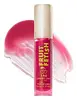
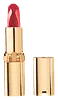
Milani Fruit Fetish Lip Oil - 140 Cherry Lime Versus L'Oreal Colour Riche Reds Of Worth Satin Lipstick With Saturated Color


What's inside
What's inside
 Key Ingredients
Benefits
Concerns
Ingredients Side-by-side
Hydrogenated Polyisobutene
EmollientHelianthus Annuus Hybrid Oil
Emollient


Polybutene
Ethylene/Propylene/Styrene Copolymer
Corylus Avellana Seed Oil
Emollient
Caprylic/Capric Triglyceride
Masking


Butylene/Ethylene/Styrene Copolymer
Bis-Diglyceryl Polyacyladipate-2
Emollient
Sodium Saccharin
MaskingDiethylhexyl Syringylidenemalonate
Skin Protecting
Glycine Soja Oil
Emollient




Tocopheryl Acetate
Antioxidant


Jasminum Officinale Flower Extract
Masking


Paeonia Officinalis Flower Extract
TonicPrunus Serrulata Flower Extract
Skin ConditioningCitrus Aurantium Amara Flower Extract
RefreshingLavandula Angustifolia Flower Extract
Cleansing
Rosa Damascena Flower Oil
Masking
Tocopherol
Antioxidant

Helianthus Annuus Seed Oil
Emollient
Sambucus Nigra Flower Extract
RefreshingCitrus Aurantifolia Oil
Cleansing
Simmondsia Chinensis Seed Oil
Emollient
Cymbopogon Citratus Leaf Oil
Masking
Prunus Cerasus Fruit Extract
Antioxidant
Mangifera Indica Fruit Extract
Skin ConditioningLitchi Chinensis Pericarp Extract
Skin ConditioningAverrhoa Carambola Fruit Extract
Skin ConditioningPunica Granatum Bark Extract
MaskingLycium Chinense Leaf Extract
Skin ConditioningBrassica Alba Seed Extract
Skin ConditioningCucurbita Pepo Seed Extract
Skin ConditioningCamellia Sinensis Leaf Extract
Antimicrobial

Vanilla Planifolia Seed Powder
Abrasive
Rubus Villosus Leaf Extract
Skin ConditioningZingiber Officinale Root Extract
Masking
Glycerin
Humectant
Water
Skin ConditioningAroma

Pentaerythrityl Tetra-Di-T-Butyl Hydroxyhydrocinnamate
Antioxidant
Pentaerythrityl Tetraisostearate
Emollient
Ethylhexylglycerin
Skin ConditioningPhenoxyethanol
Preservative
Aluminum Hydroxide
EmollientCI 77120
Cosmetic ColorantRosin
CI 15850
Cosmetic ColorantCI 42090
Cosmetic ColorantCI 19140
Cosmetic ColorantHydrogenated Polyisobutene, Helianthus Annuus Hybrid Oil, Polybutene, Ethylene/Propylene/Styrene Copolymer, Corylus Avellana Seed Oil, Caprylic/Capric Triglyceride, Butylene/Ethylene/Styrene Copolymer, Bis-Diglyceryl Polyacyladipate-2, Sodium Saccharin, Diethylhexyl Syringylidenemalonate, Glycine Soja Oil, Tocopheryl Acetate, Jasminum Officinale Flower Extract, Paeonia Officinalis Flower Extract, Prunus Serrulata Flower Extract, Citrus Aurantium Amara Flower Extract, Lavandula Angustifolia Flower Extract, Rosa Damascena Flower Oil, Tocopherol, Helianthus Annuus Seed Oil, Sambucus Nigra Flower Extract, Citrus Aurantifolia Oil, Simmondsia Chinensis Seed Oil, Cymbopogon Citratus Leaf Oil, Prunus Cerasus Fruit Extract, Mangifera Indica Fruit Extract, Litchi Chinensis Pericarp Extract, Averrhoa Carambola Fruit Extract, Punica Granatum Bark Extract, Lycium Chinense Leaf Extract, Brassica Alba Seed Extract, Cucurbita Pepo Seed Extract, Camellia Sinensis Leaf Extract, Vanilla Planifolia Seed Powder, Rubus Villosus Leaf Extract, Zingiber Officinale Root Extract, Glycerin, Water, Aroma, Pentaerythrityl Tetra-Di-T-Butyl Hydroxyhydrocinnamate, Pentaerythrityl Tetraisostearate, Ethylhexylglycerin, Phenoxyethanol, Aluminum Hydroxide, CI 77120, Rosin, CI 15850, CI 42090, CI 19140
Dimethicone
Emollient
Hydrogenated Polyisobutene
EmollientPolyethylene
Abrasive
Trimethyl Pentaphenyl Trisiloxane
Emollient
Octyldodecyl Neopentanoate
EmollientSucrose Acetate Isobutyrate
Stearyl Heptanoate
Emollient
Trimethylsiloxysilicate
Emollient
Stearyl Caprylate
EmollientArgania Spinosa Kernel Oil
Emollient
Paraffin
Skin Conditioning
Pentaerythrityl Tetra-Di-T-Butyl Hydroxyhydrocinnamate
Antioxidant
Alumina
Abrasive
Dimethicone/Vinyltrimethylsiloxysilicate Crosspolymer
Microcrystalline Wax
Emulsion StabilisingTocopheryl Acetate
Antioxidant
Synthetic Wax
Abrasive
Citronellol
Perfuming
Calcium Sodium Borosilicate
Calcium Aluminum Borosilicate
Synthetic Fluorphlogopite
Limonene
Perfuming
CI 77120
Cosmetic ColorantGeraniol
Perfuming
Colophonium
Magnesium Silicate
AbsorbentSilica
Abrasive
Benzyl Alcohol
Perfuming
Tocopherol
Antioxidant
Linalool
Perfuming
Tin Oxide
Abrasive
Aluminum Hydroxide
EmollientParfum
Masking
CI 77891
Cosmetic ColorantCI 77491
Cosmetic ColorantCI 77492
Cosmetic ColorantCI 77499
Cosmetic ColorantCI 15850
Cosmetic ColorantMica
Cosmetic ColorantCI 45410
Cosmetic ColorantCI 15985
Cosmetic ColorantCI 42090
Cosmetic ColorantCI 17200
Cosmetic ColorantCI 45380
Cosmetic ColorantCI 77742
Cosmetic ColorantCI 75470
Cosmetic ColorantCI 19140
Cosmetic ColorantDimethicone, Hydrogenated Polyisobutene, Polyethylene, Trimethyl Pentaphenyl Trisiloxane, Octyldodecyl Neopentanoate, Sucrose Acetate Isobutyrate, Stearyl Heptanoate, Trimethylsiloxysilicate, Stearyl Caprylate, Argania Spinosa Kernel Oil, Paraffin, Pentaerythrityl Tetra-Di-T-Butyl Hydroxyhydrocinnamate, Alumina, Dimethicone/Vinyltrimethylsiloxysilicate Crosspolymer, Microcrystalline Wax, Tocopheryl Acetate, Synthetic Wax, Citronellol, Calcium Sodium Borosilicate, Calcium Aluminum Borosilicate, Synthetic Fluorphlogopite, Limonene, CI 77120, Geraniol, Colophonium, Magnesium Silicate, Silica, Benzyl Alcohol, Tocopherol, Linalool, Tin Oxide, Aluminum Hydroxide, Parfum, CI 77891, CI 77491, CI 77492, CI 77499, CI 15850, Mica, CI 45410, CI 15985, CI 42090, CI 17200, CI 45380, CI 77742, CI 75470, CI 19140
Ingredients Explained
These ingredients are found in both products.
Ingredients higher up in an ingredient list are typically present in a larger amount.
Aluminum Hydroxide is a form of aluminum. It can be naturally found in nature as the mineral gibbsite. In cosmetics, Aluminum Hydroxide is used as a colorant, pH adjuster, and absorbent.
As a colorant, Aluminum Hydroxide may add opacity, or reduce the transparency. Aluminum hydroxide is contains both basic and acidic properties.
According to manufacturers, this ingredient is an emollient and humectant. This means it helps hydrate the skin.
In medicine, this ingredient is used to help relieve heartburn and help heal ulcers.
There is currently no credible scientific evidence linking aluminum hydroxide in cosmetics to increased cancer risk.
Major health organizations allow the use of aluminum hydroxide in personal care products and have not flagged it as a carcinogenic risk at typical usage levels.
Learn more about Aluminum HydroxideCi 15850 is the pigment color red. It is an azo dye and created synthetically.
Azo dyes need to be thoroughly purified before use. This allows them to be more stable and longer-lasting.
This ingredient is common in foundations, lipsticks, and blushes. This color is described as brown/orangey red.
It has many secondary names such as Red 6 and Red 7. According to a manufacturer, Red 6 usually contains aluminum.
Learn more about CI 15850CI 19140 is also known as Tartrazine. Tartrazine is a synthetic dye used in cosmetics, foods, and medicine to add a yellow color.
Tartrazine is created from petroleum and is water-soluble.
Some people may experience allergies from this dye, especially asthmatics and those with an aspirin intolerance.
Learn more about CI 19140Ci 42090 is a synthetic dye created from petroleum. It is used to give a bright blue color to cosmetics, medicine, and food.
We don't have a description for CI 77120 yet.
Hydrogenated Polyisobutene is a synthetic polymer. Polymers are compounds with high molecular weight. Hydrogenated Polyisobutene is an emollient and texture enhancer.
In one study, Hydrogenated Polyisobutene showed better skin hydration levels than Caprylic/Capric Triglyceride. As an emollient, it helps keep your skin soft and hydrated by trapping moisture in.
Hydrogenated Polyisobutene is often used as a mineral oil replacement.
Learn more about Hydrogenated PolyisobutenePentaerythrityl Tetra-Di-T-Butyl Hydroxyhydrocinnamate (long name, huh?) is a synthetic antioxidant.
It is used to help stabilize other antioxidants or prevent the color from changing in a product.
As an antioxidant, it helps fight free-radical molecules. Free-radical molecules are capable of damaging our cells and other genetic material. Thus, antioxidants may reduce the signs of aging.
This ingredient is oil-soluble.
Learn more about Pentaerythrityl Tetra-Di-T-Butyl HydroxyhydrocinnamateTocopherol is a fat-soluble antioxidant known as Vitamin E.
You'll find this ingredient in the vast majority of skincare (for good reason). It works to neutralize free radicals, or unstable molecules generated by UV exposure, pollution, and other environmental stressors, before they can cause oxidative damage to your skin cells.
Topically applied tocopherol has been shown to protect against UV damage by ramping up the skin's own natural defense enzymes.
It also acts as a skin conditioning agent; some studies show that regular topical use can improve the skin's water-binding capacity over 2-4 weeks.
This ingredient is especially loved for being a team player. When combined with Vitamin C, the photoprotective effect of both ingredients roughly doubles and the combo also helps reduce UV-induced DNA damage.
This ingredient has some brightening potential but it's more of a prevention ingredient than spot-fader. Cell studies show it can slow down melanin production but it's worth noting that it's not the most powerful brightener out there.
In formulations, it also serves as a stabilizer that helps protect other oxidation-prone ingredients from degrading.
Concentrations usually range from 0.1-1% in most leave-on products.
Learn more about TocopherolTocopheryl Acetate is a stable, shelf-friendly form of vitamin E.
Formulators love it because plain vitamin E oxidizes quickly once it hits air. This acetate version stays stable and resists going off, helping to extend a product's shelf life.
It's actually inactive on its own and works like a slow-release "storage" form; the enzymes in your skin called esterases gradually convert it into active vitamin E over time.
One in vivo study showed 5% of the acetate in the living layer of the epidermis converted to vitamin E after 5 days of application. This study also found the skin gained protection against UV damage even though the conversion was slow and small.
Once converted, vitamin E acts as a skin's main fat-soluble antioxidant that fights free radicals to protect skin from damage.
Topical vitamin E generally boosts the skin's photoprotection, and it reduced UV-damage in animal models.
This ingredient has some brightening potential but it's more of a prevention ingredient than spot-fader. Cell studies show it can slow down melanin production but it's worth noting that it's not the most powerful brightener out there.
Overall, it has a pretty solid safety profile and has been found to be non-irritating and non-comedogenic. Allergic reactions may happen but stay rare due to how widely the ingredient gets used.
The concentration will vary depending on the formula; industry data shows 0.1% in baby lotions, 3% in lipsticks, and 5% in foot powders. You can also find this ingredient at 100% in a pure vitamin E oil.
Most leave-on skincare keeps it at the lower end, often between 0.5-1%.
Learn more about Tocopheryl Acetate

