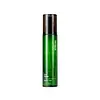
This calming toner is formulated around Portulaca Oleracea Extract and Centella Asiatica Extract to calm redness and strengthen the skin barrier.
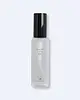
This hydrating toner is formulated around Rosa Damascena Flower Water and Xylitol to hydrate skin and calm redness.

What's inside
What's inside
 Key Ingredients
Benefits
Concerns
Ingredients Side-by-side
Water
Skin ConditioningPropanediol
Solvent

Pentylene Glycol
Skin Conditioning
Glycerin
Humectant
Hydroxyacetophenone
Antioxidant
Portulaca Oleracea Extract
Skin Conditioning

Sodium Citrate
BufferingButylene Glycol
Humectant
Ethylhexylglycerin
Skin ConditioningCitric Acid
Buffering


Disodium EDTA
Lavandula Angustifolia Oil
Masking




Octyldodeceth-16
EmulsifyingHydrogenated Lecithin
Emulsifying
Centella Asiatica Extract
Cleansing

Ficus Carica Fruit Extract
Humectant
1,2-Hexanediol
Skin Conditioning
Ceramide NP
Skin Conditioning
Tocopherol
Antioxidant

Water, Propanediol, Pentylene Glycol, Glycerin, Hydroxyacetophenone, Portulaca Oleracea Extract, Sodium Citrate, Butylene Glycol, Ethylhexylglycerin, Citric Acid, Disodium EDTA, Lavandula Angustifolia Oil, Octyldodeceth-16, Hydrogenated Lecithin, Centella Asiatica Extract, Ficus Carica Fruit Extract, 1,2-Hexanediol, Ceramide NP, Tocopherol
Water
Skin ConditioningPentylene Glycol
Skin Conditioning
Butylene Glycol
Humectant
Propanediol
Solvent
PEG-7 Caprylic/Capric Glycerides
EmulsifyingRosa Damascena Flower Water
Masking
Citrus Aurantium Dulcis Fruit Extract
MaskingXylitol
Humectant
Olea Europaea Fruit Oil
Masking


Citrus Aurantium Bergamia Fruit Oil
Masking
Hamamelis Virginiana Water
Astringent
Cedrus Atlantica Bark Oil
Masking
Pelargonium Graveolens Flower Oil
Masking
Lavandula Angustifolia Oil
Masking
Citrus Aurantium Dulcis Oil
Masking
Carica Papaya Fruit Water
Skin ConditioningCopaifera Officinalis Resin
MaskingIllicium Verum Fruit/Seed Oil
Masking
Citrus Grandis Peel Oil
Masking
Artemisia Absinthium Extract
Skin ConditioningRose Flower Oil
Masking
Ferula Galbaniflua Resin Oil
Antimicrobial
Thuja Occidentalis Leaf Extract
Antioxidant
Jasminum Officinale Oil
Masking
Eucalyptus Globulus Leaf Extract
Perfuming
Lavandula Angustifolia Extract
Skin Conditioning
Melaleuca Alternifolia Leaf Extract
Perfuming
Melissa Officinalis Leaf Extract
Skin ConditioningMentha Piperita Leaf Extract
Skin ConditioningMentha Spicata Flower/Leaf/Stem Extract
MaskingOriganum Vulgare Leaf Extract
Skin ConditioningPelargonium Graveolens Extract
Masking
Rosmarinus Officinalis Extract
AntimicrobialThymus Vulgaris Flower/Leaf Extract
Masking1,2-Hexanediol
Skin Conditioning
Glycerin
Humectant
Decyl Glucoside
Cleansing
PPG-26-Buteth-26
Skin ConditioningPEG-40 Hydrogenated Castor Oil
Emulsifying
Caprylyl Glycol
Emollient
Sodium Chloride
MaskingEthylhexylglycerin
Skin ConditioningSodium Citrate
BufferingCitric Acid
Buffering
Octanediol
Tocopherol
Antioxidant
Protease
Exfoliating
Alcohol Denat.
Antimicrobial
Limonene
Perfuming
Linalool
Perfuming
Water, Pentylene Glycol, Butylene Glycol, Propanediol, PEG-7 Caprylic/Capric Glycerides, Rosa Damascena Flower Water, Citrus Aurantium Dulcis Fruit Extract, Xylitol, Olea Europaea Fruit Oil, Citrus Aurantium Bergamia Fruit Oil, Hamamelis Virginiana Water, Cedrus Atlantica Bark Oil, Pelargonium Graveolens Flower Oil, Lavandula Angustifolia Oil, Citrus Aurantium Dulcis Oil, Carica Papaya Fruit Water, Copaifera Officinalis Resin, Illicium Verum Fruit/Seed Oil, Citrus Grandis Peel Oil, Artemisia Absinthium Extract, Rose Flower Oil, Ferula Galbaniflua Resin Oil, Thuja Occidentalis Leaf Extract, Jasminum Officinale Oil, Eucalyptus Globulus Leaf Extract, Lavandula Angustifolia Extract, Melaleuca Alternifolia Leaf Extract, Melissa Officinalis Leaf Extract, Mentha Piperita Leaf Extract, Mentha Spicata Flower/Leaf/Stem Extract, Origanum Vulgare Leaf Extract, Pelargonium Graveolens Extract, Rosmarinus Officinalis Extract, Thymus Vulgaris Flower/Leaf Extract, 1,2-Hexanediol, Glycerin, Decyl Glucoside, PPG-26-Buteth-26, PEG-40 Hydrogenated Castor Oil, Caprylyl Glycol, Sodium Chloride, Ethylhexylglycerin, Sodium Citrate, Citric Acid, Octanediol, Tocopherol, Protease, Alcohol Denat., Limonene, Linalool
Ingredients Explained
These ingredients are found in both products.
Ingredients higher up in an ingredient list are typically present in a larger amount.
1,2-Hexanediol is a synthetic liquid and another multi-functional powerhouse.
It is a:
- Humectant, drawing moisture into the skin
- Emollient, helping to soften skin
- Solvent, dispersing and stabilizing formulas
- Preservative booster, enhancing the antimicrobial activity of other preservatives
Butylene Glycol (or BG) is used within cosmetic products for a few different reasons:
Overall, Butylene Glycol is a safe and well-rounded ingredient that works well with other ingredients.
Though this ingredient works well with most skin types, some people with sensitive skin may experience a reaction such as allergic rashes, closed comedones, or itchiness.
Learn more about Butylene GlycolCitric Acid is an alpha hydroxy acid (AHA) naturally found in citrus fruits like oranges, lemons, and limes.
Like other AHAs, citric acid can exfoliate skin by breaking down the bonds that hold dead skin cells together. This helps reveal smoother and brighter skin underneath.
However, this exfoliating effect only happens at high concentrations (20%) which can be hard to find in cosmetic products.
Due to this, citric acid is usually included in small amounts as a pH adjuster. This helps keep products slightly more acidic and compatible with skin's natural pH.
In skincare formulas, citric acid can:
While it can provide some skin benefits, research shows lactic acid and glycolic acid are generally more effective and less irritating exfoliants.
Most citric acid used in skincare today is made by fermenting sugars (usually from molasses). This synthetic version is identical to the natural citrus form but easier to stabilize and use in formulations.
Rosacea skin has a lower threshold for acids generally, with 62.5% of rosacea subjects in one study reacting to lactic acid in a sting test. This is why we mark citric acid as a potential rosacea trigger.
However, this ingredient shows up as a pH adjuster or chelator at roughly 0.1-1% in many products. These low levels are unlikely to be an issue for rosacea skin and becomes a potential trigger at exfoliating concentrations (20%). Because everybody's skin is unique, we recommend a patch test if you are unsure.
Learn more about Citric AcidEthylhexylglycerin is created from glycerin. It is a multitasker ingredient that:
The CIR Expert Panel found minimal skin absorption or sensitization of any kind in a safety assessment. Though this ingredient is considered well-tolerated, a small number of cases of allergic dermatitis have been published since 2002. Just be sure to patch test if you are unsure.
Industry-reported use ranges from 8% in rinse-off products and 2% in leave-on formulations.
Learn more about EthylhexylglycerinGlycerin (or glycerol) is a compound naturally found in your skin. It's a powerhouse humectant that pulls water into the stratum corneum.
Topically, glycerin does several things at once:
Your skin makes glycerin on its own (mostly from sebaceous oil breakdown) and shuttles it to your outermost layer of skin, or your epidermis, via aquaporin-3.
Aquaporin-3 is a transporter that is essential for normal skin hydration, elasticity, and repair. Interestingly, mice lacking in AQP3 have dry and less elastic skin that can be fully corrected with glycerin.
This ingredient is non-irritating, plays well with almost every ingredient, and works across all skin types. Typical use is anywhere between 3-10% but can go up to 79% in some leave-on products.
Just know very high concentrations (>40%) can feel tacky in low humidity.
Glycerin is the name for this ingredient in American English. British English uses Glycerol/Glycerine.
Learn more about GlycerinLavandula Angustifolia Oil is more commonly known as lavender essential oil. It is considered a fragrancing ingredient.
Lavender imparts a famous scent. While the smell is lovely, this ingredient and may sensitize skin in topical products. This is because about 85% of the oil is made up of linalool and linalyl acetate.
When exposed to air, these two compounds become strong allergens. This ingredient exhibits cytotoxicity at low concentrations; amounts of 0.25% have been shown to damage skin cells.
A study from Japan found this ingredient caused lavender sensitivity after widespread exposure.
Lavender essential oil has some antimicrobial, antibacterial, and anti-inflammatory properties. However, the cons of this ingredient may outweight the pros.
More research is needed to confirm lavender essential oil's effects when used in aromatherapy.
Lavandula Angustifolia is known as the English Lavender and famous for creating purple fields in Provence, France.
Learn more about Lavandula Angustifolia OilPentylene Glycol (1,2-pentanediol) is a multitasking little diol with three main roles in a formula:
Research on alkanediols (the family pentylene glycol belongs to) show they work by disrupting microbial cell membranes. This disruption helps the primary preservative system in a product work more effectively at lower doses.
On the safety side, the Cosmetic Ingredient Review Expert Panel has concluded this ingredient to be safe as used in current cosmetic practices + concentrations.
Typical use levels in a formula run about 1-5%.
Learn more about Pentylene GlycolPropanediol is an all-star ingredient. It softens, hydrates, and smooths the skin.
It’s often used to:
Propanediol is not likely to cause sensitivity and considered safe to use. It is derived from corn or petroleum with a clear color and no scent.
Learn more about PropanediolSodium Citrate is the sodium salts of citric acid. In skincare, it is used to alter pH levels and acts as a preservative.
Its main functions are to maintain the pH of a product and neutralize metal ions.
The acidity of our skin is maintained by our glands and skin biome; normal pH level of skin is slightly acidic (~4.75-5.5).
Being slightly acidic allows our skin to create an "acid mantle". This acid mantle is a thin barrier that protects our skin from bacteria and contaminants.
Learn more about Sodium CitrateTocopherol is a fat-soluble antioxidant known as Vitamin E.
You'll find this ingredient in the vast majority of skincare (for good reason). It works to neutralize free radicals, or unstable molecules generated by UV exposure, pollution, and other environmental stressors, before they can cause oxidative damage to your skin cells.
Topically applied tocopherol has been shown to protect against UV damage by ramping up the skin's own natural defense enzymes.
It also acts as a skin conditioning agent; some studies show that regular topical use can improve the skin's water-binding capacity over 2-4 weeks.
This ingredient is especially loved for being a team player. When combined with Vitamin C, the photoprotective effect of both ingredients roughly doubles and the combo also helps reduce UV-induced DNA damage.
This ingredient has some brightening potential but it's more of a prevention ingredient than spot-fader. Cell studies show it can slow down melanin production but it's worth noting that it's not the most powerful brightener out there.
In formulations, it also serves as a stabilizer that helps protect other oxidation-prone ingredients from degrading.
Concentrations usually range from 0.1-1% in most leave-on products.
Learn more about TocopherolWater. It's the most common cosmetic ingredient of all. You'll usually see it at the top of ingredient lists, meaning that it makes up the largest part of the product.
So why is it so popular? Water most often acts as a solvent - this means that it helps dissolve other ingredients into the formulation.
You'll also recognize water as that liquid we all need to stay alive. If you see this, drink a glass of water. Remember to stay hydrated!
Learn more about Water

