
What's inside
What's inside
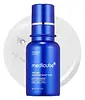 Key Ingredients
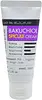
Benefits
Concerns
Ingredients Side-by-side
Water
Skin ConditioningDipropylene Glycol
HumectantGlycerin
Humectant


Butylene Glycol
Humectant
1,2-Hexanediol
Skin Conditioning
Niacinamide
Smoothing









Sodium Polyacrylate
Absorbent
Ethylhexyl Palmitate
Emollient


Hydrolyzed Sponge
Skin ConditioningC12-14 Alketh-12
EmulsifyingHydrogenated Polydecene
EmollientEthylhexylglycerin
Skin ConditioningAdenosine
Skin Conditioning
Caprylyl/Capryl Glucoside
CleansingDisodium EDTA
Panthenol
Skin Conditioning
Calcium Silicate
AbsorbentLactobacillus Extracellular Vesicles
Campsis Grandiflora Flower Extract
Antioxidant
Pueraria Lobata Root Extract
HumectantPinus Palustris Leaf Extract
TonicOenothera Biennis Flower Extract
AstringentUlmus Davidiana Root Extract
Skin Conditioning
Sodium Silicate
BufferingBetaine Salicylate
Antimicrobial

Citric Acid
Buffering
Gluconolactone
Skin Conditioning
Water, Dipropylene Glycol, Glycerin, Butylene Glycol, 1,2-Hexanediol, Niacinamide, Sodium Polyacrylate, Ethylhexyl Palmitate, Hydrolyzed Sponge, C12-14 Alketh-12, Hydrogenated Polydecene, Ethylhexylglycerin, Adenosine, Caprylyl/Capryl Glucoside, Disodium EDTA, Panthenol, Calcium Silicate, Lactobacillus Extracellular Vesicles, Campsis Grandiflora Flower Extract, Pueraria Lobata Root Extract, Pinus Palustris Leaf Extract, Oenothera Biennis Flower Extract, Ulmus Davidiana Root Extract, Sodium Silicate, Betaine Salicylate, Citric Acid, Gluconolactone
Water
Skin ConditioningButylene Glycol
Humectant
Glycerin
Humectant
Polyglyceryl-3 Distearate
Emulsifying
Squalane
Emollient
Cetyl Ethylhexanoate
EmollientCaprylic/Capric Triglyceride
Masking
Phenyl Trimethicone
Skin Conditioning
Cetearyl Alcohol
Emollient
1,2-Hexanediol
Skin Conditioning
Bakuchiol
Antimicrobial
Betaine
Humectant
Hydrolyzed Sponge
Skin ConditioningTocopherol
Antioxidant
Butyrospermum Parkii Butter
Skin Conditioning
Glyceryl Stearate Citrate
Emollient
Hydroxypropyl Starch Phosphate
Acrylates/C10-30 Alkyl Acrylate Crosspolymer
Emulsion StabilisingHydroxyethyl Acrylate/Sodium Acryloyldimethyl Taurate Copolymer
Emulsion StabilisingTromethamine
BufferingEthylhexylglycerin
Skin ConditioningAdenosine
Skin Conditioning
Disodium EDTA
Theobroma Cacao Extract
Skin ConditioningSorbitan Isostearate
Emulsifying
Dextrin
AbsorbentWater, Butylene Glycol, Glycerin, Polyglyceryl-3 Distearate, Squalane, Cetyl Ethylhexanoate, Caprylic/Capric Triglyceride, Phenyl Trimethicone, Cetearyl Alcohol, 1,2-Hexanediol, Bakuchiol, Betaine, Hydrolyzed Sponge, Tocopherol, Butyrospermum Parkii Butter, Glyceryl Stearate Citrate, Hydroxypropyl Starch Phosphate, Acrylates/C10-30 Alkyl Acrylate Crosspolymer, Hydroxyethyl Acrylate/Sodium Acryloyldimethyl Taurate Copolymer, Tromethamine, Ethylhexylglycerin, Adenosine, Disodium EDTA, Theobroma Cacao Extract, Sorbitan Isostearate, Dextrin
Reviews
Ingredients Explained
These ingredients are found in both products.
Ingredients higher up in an ingredient list are typically present in a larger amount.
1,2-Hexanediol is a synthetic liquid and another multi-functional powerhouse.
It is a:
- Humectant, drawing moisture into the skin
- Emollient, helping to soften skin
- Solvent, dispersing and stabilizing formulas
- Preservative booster, enhancing the antimicrobial activity of other preservatives
Adenosine is in every living organism. It is one of four components in nucleic acids that helps store our DNA.
Adenosine has many benefits when used. These benefits include hydrating the skin, smoothing skin, and reducing wrinkles. Once applied, adenosine increases collagen production. It also helps with improving firmness and tissue repair.
Studies have found adenosine may also help with wound healing.
In skincare products, Adenosine is usually derived from yeast.
Learn more about AdenosineButylene Glycol (or BG) is used within cosmetic products for a few different reasons:
Overall, Butylene Glycol is a safe and well-rounded ingredient that works well with other ingredients.
Though this ingredient works well with most skin types, some people with sensitive skin may experience a reaction such as allergic rashes, closed comedones, or itchiness.
Learn more about Butylene GlycolDisodium EDTA is a chelating agent. It grabs onto and deactivates metal ions that sneak into your products from water, packaging, or air.
This ingredient mainly works behind the scenes and helps with:
On top of that, this ingredient can counteract the effects of hard water by binding to the minerals in it.
One thing worth knowing is that Disodium EDTA has been shown to be a mild penetration enhancer. It can help other ingredients absorb into skin more effectively which can be a double-edged sword (great for actives, but can also make the active too strong if you have sensitive skin).
Clinical patch testing showed no significant skin irritation at typical use concentrations and minimal dermal absorption.
You'll most likely see this ingredient near the end of an ingredient list. It's typically found in concentrations less than 1%.
Learn more about Disodium EDTAEthylhexylglycerin is created from glycerin. It is a multitasker ingredient that:
The CIR Expert Panel found minimal skin absorption or sensitization of any kind in a safety assessment. Though this ingredient is considered well-tolerated, a small number of cases of allergic dermatitis have been published since 2002. Just be sure to patch test if you are unsure.
Industry-reported use ranges from 8% in rinse-off products and 2% in leave-on formulations.
Learn more about EthylhexylglycerinGlycerin (or glycerol) is a compound naturally found in your skin. It's a powerhouse humectant that pulls water into the stratum corneum.
Topically, glycerin does several things at once:
Your skin makes glycerin on its own (mostly from sebaceous oil breakdown) and shuttles it to your outermost layer of skin, or your epidermis, via aquaporin-3.
Aquaporin-3 is a transporter that is essential for normal skin hydration, elasticity, and repair. Interestingly, mice lacking in AQP3 have dry and less elastic skin that can be fully corrected with glycerin.
This ingredient is non-irritating, plays well with almost every ingredient, and works across all skin types. Typical use is anywhere between 3-10% but can go up to 79% in some leave-on products.
Just know very high concentrations (>40%) can feel tacky in low humidity.
Glycerin is the name for this ingredient in American English. British English uses Glycerol/Glycerine.
Learn more about GlycerinHydrolyzed sponge comes from marine or freshwater sponges. This is the main ingredient for "spicules".
In some products, tiny microneedles called spicules are made from silica or hydrolyzed sponge. They help push active ingredients into the skin to enhance the penetration and efficacy of these ingredients.
Water. It's the most common cosmetic ingredient of all. You'll usually see it at the top of ingredient lists, meaning that it makes up the largest part of the product.
So why is it so popular? Water most often acts as a solvent - this means that it helps dissolve other ingredients into the formulation.
You'll also recognize water as that liquid we all need to stay alive. If you see this, drink a glass of water. Remember to stay hydrated!
Learn more about Water
