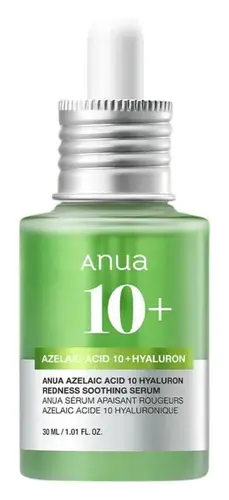
This smoothing exfoliator is formulated around Cellulose and Hypochlorous Acid to refine skin texture and clear breakouts.
This brightening exfoliator is formulated around Cellulose and Charcoal Powder to fade the look of dark spots.

What's inside
What's inside
 Key Ingredients
Benefits
Concerns
Ingredients Side-by-side
Water
Skin ConditioningQuaternium-60
Propylene Glycol
Humectant


Carbomer
Emulsion StabilisingDipropylene Glycol
HumectantCellulose
Absorbent
1,2-Hexanediol
Skin Conditioning
Propanediol
Solvent
Caprylyl Glycol
Emollient
Zea Mays Starch
Absorbent
Caprylyl Methicone
Skin Conditioning
Polyglyceryl-10 Oleate
Skin Conditioning
Oryza Sativa Bran Water
Masking
Cetrimonium Methosulfate
AntimicrobialCaffeine
Skin Conditioning

Ethylhexylglycerin
Skin ConditioningCharcoal Powder
Abrasive

Allantoin
Skin Conditioning

Hydrogenated Lecithin
Emulsifying
Hypochlorous Acid
Antiseborrhoeic
Oryza Sativa Extract
Absorbent
Tocopherol
Antioxidant


Glycerin
Humectant
Butylene Glycol
Humectant
Cynanchum Atratum Extract
Skin ConditioningBeta-Glucan
Skin Conditioning
Ceramide NP
Skin Conditioning
Sodium Chloride
MaskingXanthan Gum
EmulsifyingPanthenol
Skin Conditioning
Aloe Barbadensis Leaf Water
MaskingAlthaea Rosea Flower Extract
Skin ConditioningSodium Hyaluronate
Humectant
Protease
Exfoliating
Hydrolyzed Hyaluronic Acid
Humectant
Water, Quaternium-60, Propylene Glycol, Carbomer, Dipropylene Glycol, Cellulose, 1,2-Hexanediol, Propanediol, Caprylyl Glycol, Zea Mays Starch, Caprylyl Methicone, Polyglyceryl-10 Oleate, Oryza Sativa Bran Water, Cetrimonium Methosulfate, Caffeine, Ethylhexylglycerin, Charcoal Powder, Allantoin, Hydrogenated Lecithin, Hypochlorous Acid, Oryza Sativa Extract, Tocopherol, Glycerin, Butylene Glycol, Cynanchum Atratum Extract, Beta-Glucan, Ceramide NP, Sodium Chloride, Xanthan Gum, Panthenol, Aloe Barbadensis Leaf Water, Althaea Rosea Flower Extract, Sodium Hyaluronate, Protease, Hydrolyzed Hyaluronic Acid
Water
Skin ConditioningGlycerin
Humectant
Propanediol
Solvent
Propylene Glycol
Humectant
Quaternium-60
Cellulose
Absorbent
Methylpropanediol
SolventCarbomer
Emulsion Stabilising1,2-Hexanediol
Skin Conditioning
Charcoal Powder
Abrasive
Artemisia Princeps Leaf Extract
Skin ConditioningOryza Sativa Extract
Absorbent
Pentylene Glycol
Skin Conditioning
Butylene Glycol
Humectant
Polyglyceryl-4 Caprate
EmulsifyingEthylhexylglycerin
Skin ConditioningPolyglyceryl-10 Isostearate
Skin Conditioning
Polyglyceryl-6 Caprylate
EmulsifyingPolyglyceryl-10 Oleate
Skin Conditioning
Sodium Phytate
ChelatingNiacinamide
Smoothing

Tranexamic Acid
Astringent
Tocopherol
Antioxidant
Water, Glycerin, Propanediol, Propylene Glycol, Quaternium-60, Cellulose, Methylpropanediol, Carbomer, 1,2-Hexanediol, Charcoal Powder, Artemisia Princeps Leaf Extract, Oryza Sativa Extract, Pentylene Glycol, Butylene Glycol, Polyglyceryl-4 Caprate, Ethylhexylglycerin, Polyglyceryl-10 Isostearate, Polyglyceryl-6 Caprylate, Polyglyceryl-10 Oleate, Sodium Phytate, Niacinamide, Tranexamic Acid, Tocopherol
Ingredients Explained
These ingredients are found in both products.
Ingredients higher up in an ingredient list are typically present in a larger amount.
1,2-Hexanediol is a synthetic liquid and another multi-functional powerhouse.
It is a:
- Humectant, drawing moisture into the skin
- Emollient, helping to soften skin
- Solvent, dispersing and stabilizing formulas
- Preservative booster, enhancing the antimicrobial activity of other preservatives
Butylene Glycol (or BG) is used within cosmetic products for a few different reasons:
Overall, Butylene Glycol is a safe and well-rounded ingredient that works well with other ingredients.
Though this ingredient works well with most skin types, some people with sensitive skin may experience a reaction such as allergic rashes, closed comedones, or itchiness.
Learn more about Butylene GlycolCarbomer is a synthetic thickening and gelling agent. It's basically the ingredient that gives a lot of serums, gels, creams, and sunscreens their smooth, non-sticky texture.
Although legally permitted at very high levels, carbomers are normally used at concentrations below 1%.
It also needs to be neutralized to actually thicken, and because it is a large molecule, it doesn't really penetrate the skin barrier.
Allergy-wise, the risk is very low. Clinical studies show carbomers have low potential for skin irritation/sensitization even at concentrations up to 100%.
A 2024 UK study patch-tested 1,302 patients and found true allergy to the parent group of carbomer to be rare with no confirmed relevant reactions.
Learn more about CarbomerCellulose is the main component of plant cell walls. It is used as an emulsifier, absorbent, and texture enhancer.
This ingredient has many functions:
Fun fact: Cellulose is the most abundant form of organic polymer on Earth.
Learn more about CelluloseCharcoal powder comes from grounded charcoal. Charcoal can originate from peat, bamboo, coal, wood, coconut shell, or petroleum.
This ingredient has absorbent properties, making it great at absorbing oil.
Ethylhexylglycerin is created from glycerin. It is a multitasker ingredient that:
The CIR Expert Panel found minimal skin absorption or sensitization of any kind in a safety assessment. Though this ingredient is considered well-tolerated, a small number of cases of allergic dermatitis have been published since 2002. Just be sure to patch test if you are unsure.
Industry-reported use ranges from 8% in rinse-off products and 2% in leave-on formulations.
Learn more about EthylhexylglycerinGlycerin (or glycerol) is a compound naturally found in your skin. It's a powerhouse humectant that pulls water into the stratum corneum.
Topically, glycerin does several things at once:
Your skin makes glycerin on its own (mostly from sebaceous oil breakdown) and shuttles it to your outermost layer of skin, or your epidermis, via aquaporin-3.
Aquaporin-3 is a transporter that is essential for normal skin hydration, elasticity, and repair. Interestingly, mice lacking in AQP3 have dry and less elastic skin that can be fully corrected with glycerin.
This ingredient is non-irritating, plays well with almost every ingredient, and works across all skin types. Typical use is anywhere between 3-10% but can go up to 79% in some leave-on products.
Just know very high concentrations (>40%) can feel tacky in low humidity.
Glycerin is the name for this ingredient in American English. British English uses Glycerol/Glycerine.
Learn more about GlycerinOryza Sativa Extract comes from the rice grain, Oryza sativa. Rice extract has wound healing, antioxidant, anti-inflammatory, and hydrating properties.
Rice grains contain numerous antioxidants which may help with anti-aging, such as vitamin E. Antioxidants help stabilize free-radical molecules. Unstable free-radical molecules may damage your skin cells and accelerate signs of aging.
A study from 2002 found rice to help increase the rate of wound healing. The same study found an improvement of skin barrier function in the patients after taking rice baths.
Numerous in-vitro studies have found rice water to help decrease sun damage by increasing collagen production and inhibiting the process of tyrosinase.
Long story short- tyrosinase is an enzyme that controls melanin production. Our bodies start producing melanin (AKA tanning) when exposed to UV radiation to protect against damage. Rice water is found to partially block this process.
Though more research is needed on rice's ability to help with UV protection, recent studies seem promising.
Wondering why rice is hydrating? The protein in rice have emollient properties. Emollients create a barrier on the skin to trap moisture in, keeping your skin moisturized.
Some rice extract may have mildly-exfoliating properties. These are mainly limited to Oryza Sativa (Rice) Bran and Oryza Sativa (Rice) Germ Powder.
This rice was first cultivated in China over 10,000 years ago. Many cultures throughout Asia have used rice water on skin and hair for centuries.
Learn more about Oryza Sativa ExtractPolyglyceryl-10 Oleate is made by combining ten units of glycerin with oleic acid.
According to a manufacturer, it is a low-irritation and hydrophilic (water loving) skin conditioning agent. It also improves the sensory feel and texture of a product.
Fungal acne note:
Since this ingredient is made from oleic acid, it might not be fungal acne safe. The Malassezia yeast survives by eating certain fats, including oleic acid.
However, it should be noted this oleic acid is chemically bound to a large polyglycerol molecule, so it might not trigger fungal acne for everyone.
Learn more about Polyglyceryl-10 OleatePropanediol is an all-star ingredient. It softens, hydrates, and smooths the skin.
It’s often used to:
Propanediol is not likely to cause sensitivity and considered safe to use. It is derived from corn or petroleum with a clear color and no scent.
Learn more about PropanediolPropylene Glycol is a synthetic, colorless, odorless liquid that has been a staple in cosmetics for decades. It is a skin conditioning agent, humectant, and solvent.
As a humectant, it draw water to the skin to reduce flaking and restore suppleness. It's also a solvent that helps dissolve other actives and keeps formulas stable across temperature changes.
The CIR Expert Panel has confirmed this ingredient to be nontoxic and clinical studies show no sensitization at cosmetic use concentrations.
True allergic reactions are quite rare: a 15-year retrospective study of 6,751 patients found only 0.31% had a positive reaction (and less than half were considered clinically relevant).
It seemed that when sensitization does occur, it's most commonly linked to topical medication (like corticosteroids) and not cosmetics. Allergic contact dermatitis also appears largely limited to individuals with underlying skin conditions.
Overall, propylene glycol is a well-studied ingredient that most people can tolerate without issue.
Learn more about Propylene GlycolWe don't have a description for Quaternium-60 yet.
Tocopherol is a fat-soluble antioxidant known as Vitamin E.
You'll find this ingredient in the vast majority of skincare (for good reason). It works to neutralize free radicals, or unstable molecules generated by UV exposure, pollution, and other environmental stressors, before they can cause oxidative damage to your skin cells.
Topically applied tocopherol has been shown to protect against UV damage by ramping up the skin's own natural defense enzymes.
It also acts as a skin conditioning agent; some studies show that regular topical use can improve the skin's water-binding capacity over 2-4 weeks.
This ingredient is especially loved for being a team player. When combined with Vitamin C, the photoprotective effect of both ingredients roughly doubles and the combo also helps reduce UV-induced DNA damage.
This ingredient has some brightening potential but it's more of a prevention ingredient than spot-fader. Cell studies show it can slow down melanin production but it's worth noting that it's not the most powerful brightener out there.
In formulations, it also serves as a stabilizer that helps protect other oxidation-prone ingredients from degrading.
Concentrations usually range from 0.1-1% in most leave-on products.
Learn more about TocopherolWater. It's the most common cosmetic ingredient of all. You'll usually see it at the top of ingredient lists, meaning that it makes up the largest part of the product.
So why is it so popular? Water most often acts as a solvent - this means that it helps dissolve other ingredients into the formulation.
You'll also recognize water as that liquid we all need to stay alive. If you see this, drink a glass of water. Remember to stay hydrated!
Learn more about Water