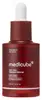
This anti-aging serum is formulated around Niacinamide and Sh-Oligopeptide-1 to soften the look of wrinkles and strengthen the skin barrier.
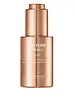
This anti-aging ampoule is formulated around Sh-Polypeptide-11 and Adenosine to soften the look of wrinkles and fade the look of dark spots.

What's inside
What's inside
 Key Ingredients
Benefits
Concerns
Ingredients Side-by-side
Water
Skin ConditioningButylene Glycol
Humectant

Dipropylene Glycol
HumectantNiacinamide
Smoothing










Xylitol
Humectant
1,2-Hexanediol
Skin Conditioning
Glycereth-26
Humectant
Ectoin
Skin Conditioning
Carbomer
Emulsion StabilisingC12-14 Alketh-12
EmulsifyingTromethamine
BufferingEthylhexylglycerin
Skin ConditioningTheobroma Cacao Seed Extract
Antioxidant
Dextrin
AbsorbentAdenosine
Skin Conditioning
Methyl Diisopropyl Propionamide
MaskingDisodium EDTA
ChelatingCyanocobalamin
Skin ConditioningHydrogenated Phosphatidylcholine
Emulsifying
Sh-Oligopeptide-1
Skin Conditioning
Glycerin
Humectant
Rosa Canina Fruit Oil
Emollient


Nicotinamide Adenine Dinucleotide
Skin ConditioningXylitylglucoside
Humectant
Anhydroxylitol
Humectant
Sorbitan Laurate
Emulsifying
Lecithin
Emollient
Caprylyl Glycol
Emollient
Polyglyceryl-10 Laurate
Skin Conditioning
Hydroxyethylcellulose
Emulsion StabilisingAcetyl Glutamine
Skin ConditioningAcetyl Dipeptide-1 Cetyl Ester
Skin Conditioning
Hydrogenated Lecithin
Emulsifying
Bacillus/Soybean Ferment Extract
Skin ConditioningVaccinium Vitis-Idaea Fruit Extract
Antioxidant
Vaccinium Myrtillus Fruit Extract
Skin ConditioningVaccinium Macrocarpon Fruit Extract
AstringentVaccinium Angustifolium Fruit Extract
Skin Protecting
Ulmus Davidiana Root Extract
Skin Conditioning
Sambucus Nigra Fruit Extract
AstringentRubus Idaeus Fruit Extract
AstringentFragaria Vesca Fruit Extract
AstringentPueraria Lobata Root Extract
HumectantPinus Palustris Leaf Extract
TonicOenothera Biennis Flower Extract
AstringentEuterpe Oleracea Fruit Extract
Collagen Extract
Skin Conditioning
Palmitoyl Tripeptide-5
Skin Conditioning
Hibiscus Sabdariffa Flower Extract
Skin ConditioningAcetyl Hexapeptide-1
Skin Conditioning
Acetyl Octapeptide-3
Humectant
Sodium Hyaluronate
Humectant
Folic Acid
Skin ConditioningFicus Carica Fruit Extract
Humectant
Glutathione
Copper Tripeptide-1
Skin Conditioning
Oligopeptide-3
Skin Conditioning
Oligopeptide-2
Skin Conditioning
Oligopeptide-1
Skin Conditioning
Hexapeptide-11
Skin Conditioning
Water, Butylene Glycol, Dipropylene Glycol, Niacinamide, Xylitol, 1,2-Hexanediol, Glycereth-26, Ectoin, Carbomer, C12-14 Alketh-12, Tromethamine, Ethylhexylglycerin, Theobroma Cacao Seed Extract, Dextrin, Adenosine, Methyl Diisopropyl Propionamide, Disodium EDTA, Cyanocobalamin, Hydrogenated Phosphatidylcholine, Sh-Oligopeptide-1, Glycerin, Rosa Canina Fruit Oil, Nicotinamide Adenine Dinucleotide, Xylitylglucoside, Anhydroxylitol, Sorbitan Laurate, Lecithin, Caprylyl Glycol, Polyglyceryl-10 Laurate, Hydroxyethylcellulose, Acetyl Glutamine, Acetyl Dipeptide-1 Cetyl Ester, Hydrogenated Lecithin, Bacillus/Soybean Ferment Extract, Vaccinium Vitis-Idaea Fruit Extract, Vaccinium Myrtillus Fruit Extract, Vaccinium Macrocarpon Fruit Extract, Vaccinium Angustifolium Fruit Extract, Ulmus Davidiana Root Extract, Sambucus Nigra Fruit Extract, Rubus Idaeus Fruit Extract, Fragaria Vesca Fruit Extract, Pueraria Lobata Root Extract, Pinus Palustris Leaf Extract, Oenothera Biennis Flower Extract, Euterpe Oleracea Fruit Extract, Collagen Extract, Palmitoyl Tripeptide-5, Hibiscus Sabdariffa Flower Extract, Acetyl Hexapeptide-1, Acetyl Octapeptide-3, Sodium Hyaluronate, Folic Acid, Ficus Carica Fruit Extract, Glutathione, Copper Tripeptide-1, Oligopeptide-3, Oligopeptide-2, Oligopeptide-1, Hexapeptide-11






Ingredients Explained
These ingredients are found in both products.
Ingredients higher up in an ingredient list are typically present in a larger amount.
Adenosine is a purine nucleoside that your body already makes in every cell. In skincare, it acts mainly as a skin conditioning and anti-aging agent.
The way it works is fairly well mapped out:
Your skin has cells called fibroblasts that build collagen (the stuff that keeps skin firm and smooth). Adenosine basically flips a switch on these cells that tells them to get to work making more collagen and other proteins. These cells slow down on their own as skin ages, so Adenosine helps give them a little nudge to keep going.
The clinical backing is pretty solid too.
A blind, randomized, placebo-controlled trial of 126 women aged 45-65 tested a 0.1% cream twice daily and found real improvements in crow's feet and frown lines using a precise 3D skin-mapping technique; these changes showed up by week 3 and held at 2 months.
A later study using Adenosine-loaded dissolving microneedle patches reported gains in wrinkle depth, dermal density, elasticity, and hydration.
On concentrations, South Korea's Ministry of Food and Drug Safety has set 0.04% as the approved functional anti-wrinkle level. You'll typically see this ingredient used somewhere in the 0.04-0.1% range since it works at low doses.
This ingredient has been found safe for cosmetics with the data showing no irritation or sensitization.
Overall, this is a great ingredient for any anti-aging routine and has no photosensitizing effect, so it suits both AM and PM use.
Learn more about AdenosineCaprylyl Glycol is a humectant, skin conditioner, emollient, and preservative booster derived from either caprylic acid or synthetically created.
Typical use levels vary from 0.3-1% as a preservative booster and go up to 2% to condition skin.
Because it is not a free-fatty acid, this ingredient is fungal acne safe (there's nothing for Malassezia to feed on).
Learn more about Caprylyl GlycolCarbomer is a synthetic thickening and gelling agent. It's basically the ingredient that gives a lot of serums, gels, creams, and sunscreens their smooth, non-sticky texture.
Although legally permitted at very high levels, carbomers are normally used at concentrations below 1%.
It also needs to be neutralized to actually thicken, and because it is a large molecule, it doesn't really penetrate the skin barrier.
Allergy-wise, the risk is very low. Clinical studies show carbomers have low potential for skin irritation/sensitization even at concentrations up to 100%.
A 2024 UK study patch-tested 1,302 patients and found true allergy to the parent group of carbomer to be rare with no confirmed relevant reactions.
Learn more about CarbomerEthylhexylglycerin is created from glycerin. It is a multitasker ingredient that:
The CIR Expert Panel found minimal skin absorption or sensitization of any kind in a safety assessment. Though this ingredient is considered well-tolerated, a small number of cases of allergic dermatitis have been published since 2002. Just be sure to patch test if you are unsure.
Industry-reported use ranges from 8% in rinse-off products and 2% in leave-on formulations.
Learn more about EthylhexylglycerinLecithin is a term for a group of substances found in the cell membranes of plants, animals, and humans. They are made up of phospholipids.
Thanks to its amphiphilic structure (water-loving head and oil-loving tail), it is a true multitasker:
It plays well with most ingredients and is typically used at 0.1-1%. However, concentrations up to 50% have been reported in moisturizers.
Learn more about LecithinPolyglyceryl-10 Laurate is a cleansing agent and emulsifier.
It rounds up dirt, oil, and grime, so they can be rinsed off easily as a cleanser.
On the emulsifier side, it keeps your formula smooth and well-mixed by playing peacekeeper for ingredients that don't naturally get along (like oil and water).
Because it has a C12 (lauric acid) fatty acid chain, this ingredient can potentially feed the Malassezia yeast that causes fungal acne. The Malassezia yeast prefers esters with C11-C24 fatty acids.
This ingredient is an ester of lauric acid and Polyglycerin-10.
Learn more about Polyglyceryl-10 Laurate

