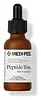
This anti-aging ampoule is formulated around Anemarrhena Asphodeloides Root Extract and Acetyl Hexapeptide-8 to soften the look of wrinkles.
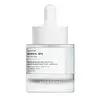
This anti-aging ampoule is formulated around Palmitoyl Tripeptide-1 and Palmitoyl Tetrapeptide-7 to soften the look of wrinkles and refine skin texture.

What's inside
What's inside
 Key Ingredients
Benefits
Concerns
Ingredients Side-by-side
Water
Skin ConditioningButylene Glycol
Humectant

Hydrogenated Polyisobutene
Emollient1,2-Hexanediol
Skin Conditioning
Hydrolyzed Collagen
Emollient
Polyacrylamide
Lactobacillus/Pumpkin Ferment Extract
Skin ConditioningLactobacillus/Soybean Ferment Extract
Skin ConditioningC13-14 Isoparaffin
Emollient
Polysorbate 20
Emulsifying

Arginine
Masking
Lactobacillus/Punica Granatum Fruit Ferment Extract
Antioxidant

Lactobacillus/Wasabia Japonica Root Ferment Extract
Antioxidant
Sodium Hyaluronate
Humectant

Ethylhexylglycerin
Skin ConditioningSaccharomyces/Grape Ferment Extract
Skin Conditioning
Carbomer
Emulsion StabilisingAllantoin
Skin Conditioning
Acrylates/C10-30 Alkyl Acrylate Crosspolymer
Emulsion StabilisingSaccharomyces Ferment Filtrate
Humectant
Laureth-7
EmulsifyingBifida Ferment Lysate
Skin Conditioning
Disodium EDTA
ChelatingAdenosine
Skin Conditioning
Leontopodium Alpinum Callus Culture Extract
Antioxidant
Parfum
Masking



Hydrolyzed Elastin
EmollientGardenia Florida Fruit Extract
Skin ConditioningAnemarrhena Asphodeloides Root Extract
Skin Conditioning
Inonotus Obliquus Extract
Skin ConditioningElaeis Guineensis Oil
Emollient

Copper Tripeptide-1
Skin Conditioning
Acetyl Hexapeptide-8
Humectant
Oligopeptide-32
Antiseborrhoeic
Oligopeptide-29
Antioxidant
Palmitoyl Pentapeptide-4
Skin Conditioning
Water, Butylene Glycol, Hydrogenated Polyisobutene, 1,2-Hexanediol, Hydrolyzed Collagen, Polyacrylamide, Lactobacillus/Pumpkin Ferment Extract, Lactobacillus/Soybean Ferment Extract, C13-14 Isoparaffin, Polysorbate 20, Arginine, Lactobacillus/Punica Granatum Fruit Ferment Extract, Lactobacillus/Wasabia Japonica Root Ferment Extract, Sodium Hyaluronate, Ethylhexylglycerin, Saccharomyces/Grape Ferment Extract, Carbomer, Allantoin, Acrylates/C10-30 Alkyl Acrylate Crosspolymer, Saccharomyces Ferment Filtrate, Laureth-7, Bifida Ferment Lysate, Disodium EDTA, Adenosine, Leontopodium Alpinum Callus Culture Extract, Parfum, Hydrolyzed Elastin, Gardenia Florida Fruit Extract, Anemarrhena Asphodeloides Root Extract, Inonotus Obliquus Extract, Elaeis Guineensis Oil, Copper Tripeptide-1, Acetyl Hexapeptide-8, Oligopeptide-32, Oligopeptide-29, Palmitoyl Pentapeptide-4
Water
Skin ConditioningButylene Glycol
Humectant
Hydrogenated Polyisobutene
EmollientGlycerin
Humectant
1,2-Hexanediol
Skin Conditioning
Glyceryl Stearate Se
Emulsifying
Cetearyl Alcohol
Emollient

Sorbitan Stearate
Emulsifying
Carbomer
Emulsion StabilisingCetearyl Olivate
Sorbitan Olivate
Emulsifying
Tromethamine
BufferingSodium Lactate
Buffering
Inulin Lauryl Carbamate
Emulsion StabilisingPolysorbate 20
Emulsifying
Hydrolyzed Sponge
Skin ConditioningAdenosine
Skin Conditioning
Disodium EDTA
ChelatingHydrolyzed Hyaluronic Acid
Humectant
Anemarrhena Asphodeloides Root Extract
Skin Conditioning
Palmitoyl Tripeptide-1
Skin Conditioning
Palmitoyl Tetrapeptide-7
Skin Conditioning
Panthenol
Skin Conditioning
Madecassoside
Antioxidant
Centella Asiatica Extract
Cleansing
Water, Butylene Glycol, Hydrogenated Polyisobutene, Glycerin, 1,2-Hexanediol, Glyceryl Stearate Se, Cetearyl Alcohol, Sorbitan Stearate, Carbomer, Cetearyl Olivate, Sorbitan Olivate, Tromethamine, Sodium Lactate, Inulin Lauryl Carbamate, Polysorbate 20, Hydrolyzed Sponge, Adenosine, Disodium EDTA, Hydrolyzed Hyaluronic Acid, Anemarrhena Asphodeloides Root Extract, Palmitoyl Tripeptide-1, Palmitoyl Tetrapeptide-7, Panthenol, Madecassoside, Centella Asiatica Extract
Reviews
Ingredients Explained
These ingredients are found in both products.
Ingredients higher up in an ingredient list are typically present in a larger amount.
1,2-Hexanediol is a synthetic liquid and another multi-functional powerhouse.
It is a:
- Humectant, drawing moisture into the skin
- Emollient, helping to soften skin
- Solvent, dispersing and stabilizing formulas
- Preservative booster, enhancing the antimicrobial activity of other preservatives
Adenosine is a purine nucleoside that your body already makes in every cell. In skincare, it acts mainly as a skin conditioning and anti-aging agent.
The way it works is fairly well mapped out:
Your skin has cells called fibroblasts that build collagen (the stuff that keeps skin firm and smooth). Adenosine basically flips a switch on these cells that tells them to get to work making more collagen and other proteins. These cells slow down on their own as skin ages, so Adenosine helps give them a little nudge to keep going.
The clinical backing is pretty solid too.
A blind, randomized, placebo-controlled trial of 126 women aged 45-65 tested a 0.1% cream twice daily and found real improvements in crow's feet and frown lines using a precise 3D skin-mapping technique; these changes showed up by week 3 and held at 2 months.
A later study using Adenosine-loaded dissolving microneedle patches reported gains in wrinkle depth, dermal density, elasticity, and hydration.
On concentrations, South Korea's Ministry of Food and Drug Safety has set 0.04% as the approved functional anti-wrinkle level. You'll typically see this ingredient used somewhere in the 0.04-0.1% range since it works at low doses.
This ingredient has been found safe for cosmetics with the data showing no irritation or sensitization.
Overall, this is a great ingredient for any anti-aging routine and has no photosensitizing effect, so it suits both AM and PM use.
Learn more about AdenosineThis ingredient is more commonly known as Zhi Mu root. You might see this ingredient listed under 'Volufiline' products.
That's because 'Volufiline' is comprised of this ingredient and Hydrogenated Polyisobutene.
Zhi Mu root is rich in sarsasapogenin. This compound has anti-inflammatory and soothing properties.
It is commonly used in East Asian medicine.
Learn more about Anemarrhena Asphodeloides Root ExtractButylene Glycol (or BG) is used within cosmetic products for a few different reasons:
Overall, Butylene Glycol is a safe and well-rounded ingredient that works well with other ingredients.
Though this ingredient works well with most skin types, some people with sensitive skin may experience a reaction such as allergic rashes, closed comedones, or itchiness.
Learn more about Butylene GlycolCarbomer is a synthetic thickening and gelling agent. It's basically the ingredient that gives a lot of serums, gels, creams, and sunscreens their smooth, non-sticky texture.
Although legally permitted at very high levels, carbomers are normally used at concentrations below 1%.
It also needs to be neutralized to actually thicken, and because it is a large molecule, it doesn't really penetrate the skin barrier.
Allergy-wise, the risk is very low. Clinical studies show carbomers have low potential for skin irritation/sensitization even at concentrations up to 100%.
A 2024 UK study patch-tested 1,302 patients and found true allergy to the parent group of carbomer to be rare with no confirmed relevant reactions.
Learn more about CarbomerDisodium EDTA is a chelating agent. It grabs onto and deactivates metal ions that sneak into your products from water, packaging, or air.
This ingredient mainly works behind the scenes and helps with:
On top of that, this ingredient can counteract the effects of hard water by binding to the minerals in it.
One thing worth knowing is that Disodium EDTA has been shown to be a mild penetration enhancer. It can help other ingredients absorb into skin more effectively which can be a double-edged sword (great for actives, but can also make the active too strong if you have sensitive skin).
Clinical patch testing showed no significant skin irritation at typical use concentrations and minimal dermal absorption.
You'll most likely see this ingredient near the end of an ingredient list. It's typically found in concentrations less than 1%.
Learn more about Disodium EDTAHydrogenated Polyisobutene is a synthetic polymer. Polymers are compounds with high molecular weight. Hydrogenated Polyisobutene is an emollient and texture enhancer.
In one study, Hydrogenated Polyisobutene showed better skin hydration levels than Caprylic/Capric Triglyceride. As an emollient, it helps keep your skin soft and hydrated by trapping moisture in.
Hydrogenated Polyisobutene is often used as a mineral oil replacement.
Learn more about Hydrogenated PolyisobutenePolysorbate 20 is a gentle, water-soluble emulsifier and mild surfactant. It stops oil and water from separating to keep your formulas blended and stable.
It also acts as a mild penetration enhancer by helping active ingredients absorb slightly better.
The common safety discussion around this ingredient involves a manufacturing byproduct called 1,4-dioxane.
Trace amounts can form during production but the EU's Scientific Committee on Consumer Safety has concluded that levels at/below 10 ppm in finished products are safe (commercial products consistently fall within acceptable margins).
True allergic reactions are uncommon and the CIR Expert Panel has confirmed this ingredient to be safe as used in cosmetics.
Because it is derived from lauric acid, it may not be fungal acne safe.
Learn more about Polysorbate 20Water. It's the most common cosmetic ingredient of all. You'll usually see it at the top of ingredient lists, meaning that it makes up the largest part of the product.
So why is it so popular? Water most often acts as a solvent - this means that it helps dissolve other ingredients into the formulation.
You'll also recognize water as that liquid we all need to stay alive. If you see this, drink a glass of water. Remember to stay hydrated!
Learn more about Water

