This barrier-repair lip moisturizer is formulated around Butyrospermum Parkii Butter and Squalane to strengthen the lip barrier and hydrate lips.

What's inside
What's inside
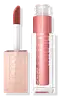 Key Ingredients
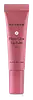
Benefits
Concerns
Ingredients Side-by-side
C18-36 Acid Triglyceride
EmollientBis-Diglyceryl Polyacyladipate-2
Emollient


Pentaerythrityl Tetraisostearate
Emollient
Polybutene
Tridecyl Trimellitate
EmollientDiisostearyl Malate
EmollientSilica Dimethyl Silylate
EmollientPhenoxyethanol
Preservative
Ethylhexyl Palmitate
Emollient


Pentaerythrityl Tetra-Di-T-Butyl Hydroxyhydrocinnamate
Antioxidant
Calcium Sodium Borosilicate
Ethylhexylglycerin
Skin ConditioningCalcium Aluminum Borosilicate
Tocopheryl Acetate
Antioxidant

Sodium Saccharin
MaskingSorbic Acid
Preservative
Alumina
Abrasive
Silica
Abrasive

Polybutylene Terephthalate
Trihydroxystearin
Skin Conditioning
Cocos Nucifera Oil
Masking


Aluminum Hydroxide
EmollientEthylene/Va Copolymer
Emulsion StabilisingAcrylates Copolymer
Tin Oxide
Abrasive
Sodium Hyaluronate
Humectant



Synthetic Fluorphlogopite
Tocopherol
Antioxidant
Magnesium Silicate
AbsorbentGlucomannan
Skin ConditioningParfum
Masking

CI 77891
Cosmetic ColorantCI 77491
Cosmetic ColorantCI 77492
Cosmetic ColorantCI 77499
Cosmetic ColorantMica
Cosmetic ColorantCI 45410
Cosmetic ColorantCI 15850
Cosmetic ColorantCI 75470
Cosmetic ColorantCI 17200
Cosmetic ColorantCI 45380
Cosmetic ColorantCI 15985
Cosmetic ColorantCI 19140
Cosmetic ColorantCI 42090
Cosmetic ColorantC18-36 Acid Triglyceride, Bis-Diglyceryl Polyacyladipate-2, Pentaerythrityl Tetraisostearate, Polybutene, Tridecyl Trimellitate, Diisostearyl Malate, Silica Dimethyl Silylate, Phenoxyethanol, Ethylhexyl Palmitate, Pentaerythrityl Tetra-Di-T-Butyl Hydroxyhydrocinnamate, Calcium Sodium Borosilicate, Ethylhexylglycerin, Calcium Aluminum Borosilicate, Tocopheryl Acetate, Sodium Saccharin, Sorbic Acid, Alumina, Silica, Polybutylene Terephthalate, Trihydroxystearin, Cocos Nucifera Oil, Aluminum Hydroxide, Ethylene/Va Copolymer, Acrylates Copolymer, Tin Oxide, Sodium Hyaluronate, Synthetic Fluorphlogopite, Tocopherol, Magnesium Silicate, Glucomannan, Parfum, CI 77891, CI 77491, CI 77492, CI 77499, Mica, CI 45410, CI 15850, CI 75470, CI 17200, CI 45380, CI 15985, CI 19140, CI 42090
Phytosteryl/Isostearyl/Cetyl/Stearyl/Behenyl Dimer Dilinoleate
Skin Conditioning
Diisostearyl Malate
EmollientHydrogenated Polyisobutene
EmollientPolybutene
Polyglyceryl-2 Diisostearate
Emulsifying
Butyrospermum Parkii Butter
Skin Conditioning
Microcrystalline Wax
Emulsion StabilisingAroma
Synthetic Wax
Abrasive
Mica
Cosmetic ColorantRicinus Communis Seed Oil
Masking
Squalane
Emollient
Theobroma Grandiflorum Seed Butter
Skin Conditioning
Isopropyl Titanium Triisostearate
Emollient
Tocopherol
Antioxidant
Citric Acid
Buffering
Titanium Dioxide
Cosmetic Colorant

Iron Oxides
CI 15850
Cosmetic ColorantBlue 1 Lake
Cosmetic ColorantCI 19140
Cosmetic ColorantPhytosteryl/Isostearyl/Cetyl/Stearyl/Behenyl Dimer Dilinoleate, Diisostearyl Malate, Hydrogenated Polyisobutene, Polybutene, Polyglyceryl-2 Diisostearate, Butyrospermum Parkii Butter, Microcrystalline Wax, Aroma, Synthetic Wax, Mica, Ricinus Communis Seed Oil, Squalane, Theobroma Grandiflorum Seed Butter, Isopropyl Titanium Triisostearate, Tocopherol, Citric Acid, Titanium Dioxide, Iron Oxides, CI 15850, Blue 1 Lake, CI 19140
Reviews
Ingredients Explained
These ingredients are found in both products.
Ingredients higher up in an ingredient list are typically present in a larger amount.
Ci 15850 is the pigment color red. It is an azo dye and created synthetically.
Azo dyes need to be thoroughly purified before use. This allows them to be more stable and longer-lasting.
This ingredient is common in foundations, lipsticks, and blushes. This color is described as brown/orangey red.
It has many secondary names such as Red 6 and Red 7. According to a manufacturer, Red 6 usually contains aluminum.
Learn more about CI 15850CI 19140 is also known as Tartrazine. Tartrazine is a synthetic dye used in cosmetics, foods, and medicine to add a yellow color.
Tartrazine is created from petroleum and is water-soluble.
Some people may experience allergies from this dye, especially asthmatics and those with an aspirin intolerance.
Learn more about CI 19140Diisostearyl Malate is an emollient and most often used in lip products. It comes from isostearyl alcohol, a fatty acid, and malic acid, an AHA.
As an emollient, Diisostearyl Malate helps create a thin film on your skin to trap moisture in. This helps keep your skin soft and smooth.
Mica is a naturally occurring mineral used to add shimmer and color in cosmetics. It can also help improve the texture of a product or give it an opaque, white/silver color.
Serecite is the name for very fine but ragged grains of mica.
This ingredient is often coated with metal oxides like titanium dioxide. Trace amounts of heavy metals may be found in mica, but these metals are not harmful in our personal products.
Mica has been used since prehistoric times throughout the world. Ancient Egyptian, Indian, Greek, Roman, Aztec, and Chinese civilizations have used mica.
Learn more about MicaPolybutene is used to help control the viscosity of a product. This just means it helps adjusts the texture.
It is a polymer and does not get absorbed into the skin due to its large size.
Studies found this ingredient did not irritate skin in concentrations below 15%.
Learn more about PolybuteneTocopherol is a fat-soluble antioxidant known as Vitamin E.
You'll find this ingredient in the vast majority of skincare (for good reason). It works to neutralize free radicals, or unstable molecules generated by UV exposure, pollution, and other environmental stressors, before they can cause oxidative damage to your skin cells.
Topically applied tocopherol has been shown to protect against UV damage by ramping up the skin's own natural defense enzymes.
It also acts as a skin conditioning agent; some studies show that regular topical use can improve the skin's water-binding capacity over 2-4 weeks.
This ingredient is especially loved for being a team player. When combined with Vitamin C, the photoprotective effect of both ingredients roughly doubles and the combo also helps reduce UV-induced DNA damage.
This ingredient has some brightening potential but it's more of a prevention ingredient than spot-fader. Cell studies show it can slow down melanin production but it's worth noting that it's not the most powerful brightener out there.
In formulations, it also serves as a stabilizer that helps protect other oxidation-prone ingredients from degrading.
Concentrations usually range from 0.1-1% in most leave-on products.
Learn more about Tocopherol

