

What's inside
What's inside
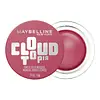 Key Ingredients
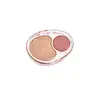
Benefits
Concerns
No concerns
Ingredients Side-by-side
Homosalate
Skin Conditioning

Ethylhexyl Salicylate
UV Absorber
Octocrylene
UV Absorber

Water
Skin ConditioningGlycerin
Humectant


Caprylyl Methicone
Skin Conditioning
Dimethicone
Emollient
Butyloctyl Salicylate
Skin Conditioning
Cetyl PEG/PPG-10/1 Dimethicone
Emulsifying
Niacinamide
Smoothing









Propanediol
Solvent
Dimethicone/PEG-10/15 Crosspolymer
Synthetic Fluorphlogopite
Phenoxyethanol
Preservative
Sodium Chloride
MaskingTrimethylsiloxysilicate
Emollient
Disteardimonium Hectorite
StabilisingDisodium Stearoyl Glutamate
CleansingChlorphenesin
Antimicrobial
Caprylyl Glycol
Emollient
Silica Silylate
Emollient
Trisodium Ethylenediamine Disuccinate
ChelatingSimethicone
Emollient
Maltodextrin
Absorbent
Aluminum Hydroxide
EmollientAdenosine
Skin Conditioning
Dipropylene Glycol
HumectantSodium Hyaluronate
Humectant
Citric Acid
Buffering

Sodium Citrate
BufferingCamellia Sinensis Leaf Extract
Antimicrobial
Tocopherol
Antioxidant
Pentaerythrityl Tetra-Di-T-Butyl Hydroxyhydrocinnamate
Antioxidant
Titanium Dioxide
Cosmetic Colorant
Iron Oxides
Homosalate, Ethylhexyl Salicylate, Octocrylene, Water, Glycerin, Caprylyl Methicone, Dimethicone, Butyloctyl Salicylate, Cetyl PEG/PPG-10/1 Dimethicone, Niacinamide, Propanediol, Dimethicone/PEG-10/15 Crosspolymer, Synthetic Fluorphlogopite, Phenoxyethanol, Sodium Chloride, Trimethylsiloxysilicate, Disteardimonium Hectorite, Disodium Stearoyl Glutamate, Chlorphenesin, Caprylyl Glycol, Silica Silylate, Trisodium Ethylenediamine Disuccinate, Simethicone, Maltodextrin, Aluminum Hydroxide, Adenosine, Dipropylene Glycol, Sodium Hyaluronate, Citric Acid, Sodium Citrate, Camellia Sinensis Leaf Extract, Tocopherol, Pentaerythrityl Tetra-Di-T-Butyl Hydroxyhydrocinnamate, Titanium Dioxide, Iron Oxides
Mica
Cosmetic ColorantTalc
Abrasive
Dimethicone
Emollient
CI 77891
Cosmetic ColorantHydrogenated Poly(C6-14 Olefin)
EmollientDimethicone/Vinyl Dimethicone Crosspolymer
Skin Conditioning
Diisostearyl Malate
EmollientDiphenylsiloxy Phenyl Trimethicone
Skin Conditioning
Silica
Abrasive
CI 77007
Cosmetic ColorantEthylhexylglycerin
Skin ConditioningCI 75470
Cosmetic ColorantAluminum Hydroxide
EmollientTriethoxycaprylylsilane
Glyceryl Caprylate
EmollientCI 19140
Cosmetic ColorantCI 77499
Cosmetic ColorantCI 73360
Cosmetic ColorantTocopherol
Antioxidant
CI 77491
Cosmetic ColorantMica, Talc, Dimethicone, CI 77891, Hydrogenated Poly(C6-14 Olefin), Dimethicone/Vinyl Dimethicone Crosspolymer, Diisostearyl Malate, Diphenylsiloxy Phenyl Trimethicone, Silica, CI 77007, Ethylhexylglycerin, CI 75470, Aluminum Hydroxide, Triethoxycaprylylsilane, Glyceryl Caprylate, CI 19140, CI 77499, CI 73360, Tocopherol, CI 77491
Ingredients Explained
These ingredients are found in both products.
Ingredients higher up in an ingredient list are typically present in a larger amount.
Aluminum Hydroxide is a form of aluminum. It can be naturally found in nature as the mineral gibbsite. In cosmetics, Aluminum Hydroxide is used as a colorant, pH adjuster, and absorbent.
As a colorant, Aluminum Hydroxide may add opacity, or reduce the transparency. Aluminum hydroxide is contains both basic and acidic properties.
According to manufacturers, this ingredient is an emollient and humectant. This means it helps hydrate the skin.
In medicine, this ingredient is used to help relieve heartburn and help heal ulcers.
There is currently no credible scientific evidence linking aluminum hydroxide in cosmetics to increased cancer risk.
Major health organizations allow the use of aluminum hydroxide in personal care products and have not flagged it as a carcinogenic risk at typical usage levels.
Learn more about Aluminum HydroxideDimethicone is a type of synthetic silicone created from natural materials such as quartz. It is also known as polydimethylsiloxane.
What it does:
Dimethicone comes in different viscosities:
Depending on the viscosity, dimethicone has different properties.
Ingredients lists don't always show which type is used, so we recommend reaching out to the brand if you have questions about the viscosity.
This ingredient is unlikely to cause irritation because it does not get absorbed into skin. However, people with silicone allergies should be careful about using this ingredient.
Note: Dimethicone may contribute to pilling. This is because it is not oil or water soluble, so pilling may occur when layered with products. When mixed with heavy oils in a formula, the outcome is also quite greasy.
Learn more about DimethiconeTocopherol is a fat-soluble antioxidant known as Vitamin E.
You'll find this ingredient in the vast majority of skincare (for good reason). It works to neutralize free radicals, or unstable molecules generated by UV exposure, pollution, and other environmental stressors, before they can cause oxidative damage to your skin cells.
Topically applied tocopherol has been shown to protect against UV damage by ramping up the skin's own natural defense enzymes.
It also acts as a skin conditioning agent; some studies show that regular topical use can improve the skin's water-binding capacity over 2-4 weeks.
This ingredient is especially loved for being a team player. When combined with Vitamin C, the photoprotective effect of both ingredients roughly doubles and the combo also helps reduce UV-induced DNA damage.
This ingredient has some brightening potential but it's more of a prevention ingredient than spot-fader. Cell studies show it can slow down melanin production but it's worth noting that it's not the most powerful brightener out there.
In formulations, it also serves as a stabilizer that helps protect other oxidation-prone ingredients from degrading.
Concentrations usually range from 0.1-1% in most leave-on products.
Learn more about Tocopherol

