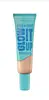
Marcelle Sheer Tint Moisturizer SPF 30 Versus Rimmel London Kind & Free Glow It Up Hydrating Skin Tint


What's inside
What's inside
 Key Ingredients
Benefits
Concerns
Ingredients Side-by-side
Ethylhexyl Methoxycinnamate 7.5%
UV Absorber


Benzophenone-3 3%
UV Absorber
Water
Skin ConditioningCaprylyl Methicone
Skin Conditioning
Cyclopentasiloxane
Emollient
Glycerin
Humectant


Mica
Cosmetic ColorantPEG-12 Dimethicone/PPG-20 Crosspolymer
Polymethylsilsesquioxane
Hexyl Laurate
Emollient
Cetyl PEG/PPG-10/1 Dimethicone
Emulsifying
Polyglyceryl-4 Isostearate
Emulsifying
Isopropyl Myristate
Emollient


Bis-PEG/PPG-14/14 Dimethicone
Emollient
Hdi/Trimethylol Hexyllactone Crosspolymer
Disteardimonium Hectorite
StabilisingTalc
Abrasive
Cyclohexasiloxane
Emollient
Squalane
Emollient
Sodium Chloride
MaskingAloe Barbadensis Leaf Juice
Skin Conditioning

Dimethicone/Vinyl Dimethicone Crosspolymer
Skin Conditioning
Aluminum Starch Octenylsuccinate
Absorbent
Phenoxyethanol
Preservative
Silica
Abrasive
Sodium Benzoate
Masking
Propylene Carbonate
SolventTriethoxycaprylylsilane
Potassium Sorbate
Preservative
Tocopheryl Acetate
Antioxidant


Biosaccharide Gum-1
Humectant
Isoceteth-10
EmulsifyingTin Oxide
Abrasive
Myristic Acid
Cleansing
Citric Acid
Buffering
Sodium Hyaluronate
Humectant
CI 77891
Cosmetic ColorantCI 77492
Cosmetic ColorantCI 77499
Cosmetic ColorantCI 77491
Cosmetic ColorantEthylhexyl Methoxycinnamate 7.5%, Benzophenone-3 3%, Water, Caprylyl Methicone, Cyclopentasiloxane, Glycerin, Mica, PEG-12 Dimethicone/PPG-20 Crosspolymer, Polymethylsilsesquioxane, Hexyl Laurate, Cetyl PEG/PPG-10/1 Dimethicone, Polyglyceryl-4 Isostearate, Isopropyl Myristate, Bis-PEG/PPG-14/14 Dimethicone, Hdi/Trimethylol Hexyllactone Crosspolymer, Disteardimonium Hectorite, Talc, Cyclohexasiloxane, Squalane, Sodium Chloride, Aloe Barbadensis Leaf Juice, Dimethicone/Vinyl Dimethicone Crosspolymer, Aluminum Starch Octenylsuccinate, Phenoxyethanol, Silica, Sodium Benzoate, Propylene Carbonate, Triethoxycaprylylsilane, Potassium Sorbate, Tocopheryl Acetate, Biosaccharide Gum-1, Isoceteth-10, Tin Oxide, Myristic Acid, Citric Acid, Sodium Hyaluronate, CI 77891, CI 77492, CI 77499, CI 77491
Water
Skin ConditioningDicaprylyl Ether
Emollient
Dicaprylyl Carbonate
EmollientGlycerin
Humectant
Trimethylsiloxysilicate
Emollient
Aluminum Starch Octenylsuccinate
Absorbent
Ethylhexyl Methoxycinnamate
UV Absorber
Sodium Chloride
MaskingZinc Oxide
Cosmetic Colorant
Tri (Polyglyceryl-3/Lauryl) Hydrogenated Trilinoleate
EmulsifyingStearalkonium Bentonite
Gel FormingSilica
Abrasive
Cetyl PEG/PPG-10/1 Dimethicone
Emulsifying
Mica
Cosmetic ColorantPropylene Carbonate
SolventTocopherol
Antioxidant
Panthenol
Skin Conditioning
Sodium Benzoate
Masking
Chlorphenesin
Antimicrobial
Triethoxycaprylylsilane
Aloe Barbadensis Leaf Juice
Skin Conditioning
Methicone
Emollient
Pantolactone
Humectant
BHT
Antioxidant
Pentaerythrityl Tetra-Di-T-Butyl Hydroxyhydrocinnamate
Antioxidant
CI 77891
Cosmetic ColorantCI 77491
Cosmetic ColorantCI 77492
Cosmetic ColorantCI 77499
Cosmetic ColorantWater, Dicaprylyl Ether, Dicaprylyl Carbonate, Glycerin, Trimethylsiloxysilicate, Aluminum Starch Octenylsuccinate, Ethylhexyl Methoxycinnamate, Sodium Chloride, Zinc Oxide, Tri (Polyglyceryl-3/Lauryl) Hydrogenated Trilinoleate, Stearalkonium Bentonite, Silica, Cetyl PEG/PPG-10/1 Dimethicone, Mica, Propylene Carbonate, Tocopherol, Panthenol, Sodium Benzoate, Chlorphenesin, Triethoxycaprylylsilane, Aloe Barbadensis Leaf Juice, Methicone, Pantolactone, BHT, Pentaerythrityl Tetra-Di-T-Butyl Hydroxyhydrocinnamate, CI 77891, CI 77491, CI 77492, CI 77499
Ingredients Explained
These ingredients are found in both products.
Ingredients higher up in an ingredient list are typically present in a larger amount.
Aloe Barbadensis Leaf Juice is the filtered, stabilized liquid pressed from the inner gel of the aloe vera leaf.
In cosmetics, it shows up as either soothing active or a water-replacement base. It is roughly 98-99% water and the last 1-2% is an interesting mix of polysaccharides, amino acids, vitamins, minerals, and enzymes.
The polysaccharides do most of the work: they bind water at the skin surface for a light, non-greasy hydration boost. And one of the polysaccharides, glycomannan, is linked to fibroblast stimulation + collagen synthesis. This is also why aloe has such a long track record in wound and burn healing.
This ingredient is also calming with anti-inflammatory and mild antimicrobial activity, making it a great pick for sensitive, irritated, or post-sun skin.
Realistic expectations matter though; the solid evidence is mostly limited to hydration, soothing, and wound support. Deeper claims about anti-aging or sun protection are not well backed, and science reviews note it does not prevent radiation-induced skin injury.
Because it plays well with almost everything, it's commonly used as a base alongside other actives like niacinamide or vitamin C.
Typical usage concentrations range from 0.5% (where hydration benefits already show up) all the way to 90%+ (where it replaces water as the main base).
The safety for this ingredient is well-establish as well. Overall, this is a great supporting ingredient for those who want a boost in hydration.
Learn more about Aloe Barbadensis Leaf JuiceAluminum Starch Octenylsuccinate is a synthetic powder used as an absorbent, thickener, and anti-caking agent.
As an absorbent, it is great at mattifying skin by soaking up the oil. This is why you'll find it in a range of products from makeup to moisturizers.
This ingredient is considered a modified starch. Starch can also be found naturally in plants.
One study from 1991 found that 5% of this ingredient enhanced titanium dioxide SPF by as much as 40%. The study found 1% titanium dioxide had a 5.6 SPF and adding 5% of aluminum starch octenylsuccinate boosted it to an SPF of 8.1
Although “aluminum” in an ingredient name can raise red flags for some consumers, the form and usage context matter significantly. For typical topical applications, there is no substantial evidence of health risks - such as cancer, neurotoxicity, or systemic “aluminum overload.”
Learn more about Aluminum Starch OctenylsuccinateThis ingredient is a silicone-based emulsifer that helps the water and oil phases play nicely together.
It's pretty effective because one end of the molecule loves oil and the other one loves water.
Besides holding formulas together, it also leaves a silky and lightweight feel on skin without the greasiness. A manufacturer also claims it can help with the controlled release of active ingredients.
The CIR Expert Panel found this ingredient to not be sensitizing in concentrations up to 15% in human maximazation testing and dimethicone-based compounds were not comedogenic.
It has a high molecular weight well above 1,000 g/mol which means it limits meaningful skin penetration.
A 2019 study specifically tested this ingredient and found no observable Malassezia growth in its presence.
Learn more about Cetyl PEG/PPG-10/1 DimethiconeCi 77491 is also hydrated iron III oxide. It's sole purpose is to give a red/pink hue to products.
Iron III oxides are classified as inorganic chemicals for coloring.
Synthetically created Ci 77491 is considered safer than those naturally found. This is because the synthetically created version may contain less impurities. Iron oxides are generally non-toxic and non-allergenic.
Learn more about CI 77491CI 77492 is also hydrated iron III oxide. It's sole purpose is to give a yellow hue to products.
Iron III oxides are classified as inorganic chemicals for coloring.
Synthetically created CI 77492 is considered safer than those naturally found. This is because the synthetically created version may contain less impurities. Iron oxides are generally non-toxic and non-allergenic.
Learn more about CI 77492Ci 77499 is also hydrated iron III oxide. It is created from mixing red and black iron oxides. This helps give shades of darkness to a product.
Iron III oxides are classified as inorganic chemicals for coloring.
Ci 77891 is a white pigment from Titanium dioxide. It is naturally found in minerals such as rutile and ilmenite.
It's main function is to add a white color to cosmetics. It can also be mixed with other colors to create different shades.
Ci 77891 is commonly found in sunscreens due to its ability to block UV rays.
Learn more about CI 77891This ingredient is also known as Octinoxate and is one of the oldest and most widely used chemical UV filters in skincare.
It has a simple job: soap up UVB radiation (290-320 nm), the wavelengths responsible for sunburn and a big chunk of long-term sun damage.
In formulas, it's always paired with a separate UVA filter because octinoxate solely protects skin from UVB.
Because it's an oil-soluble liquid, it's easy to blend into the oil phase of lotions/creams and gives a cosmetically elegant feel.
The one quirk about formulating this ingredient is photostability; the molecule slowly changes shape into a less effective version when sunlight hits it. So the longer you're in the sun, the weaker its protection gets. The drop can be more than 30% in some formulas.
It also doesn't play nice with Avobenzone (the common UVA filter) since avobenzone destabilizes octinoxate and the two degrade each other. But don't worry: brands have solved this issue by adding photostabilizers like Tinosorb S to prevent degradation and keep SPF stable under heavy UV exposure.
The maximum allowed level is 10% in the EU and Australia, 7.5% in the US and Canada, and 20% in Japan.
The Cosmetic Ingredient Review Panel has concluded this ingredient to be safe in cosmetics up to 10%.
One last thing worth knowing for context:
Octinoxate has been the subject of ongoing review in Europe where the Scientific Committee on Consumer Safety's (SCCS) 2025 final opinion is that this ingredient is an endocrine-active substance.
Lab and animal studies suggest it can act a bit like a hormone in the body (mildly mimicking estrogen and slightly blocking male hormones). It's important to know this hasn't really been shown to happen in everyday human use.
This ingredient is also banned in Hawaii over coral reef concerns.
Learn more about Ethylhexyl MethoxycinnamateGlycerin (or glycerol) is a compound naturally found in your skin. It's a powerhouse humectant that pulls water into the stratum corneum.
Topically, glycerin does several things at once:
Your skin makes glycerin on its own (mostly from sebaceous oil breakdown) and shuttles it to your outermost layer of skin, or your epidermis, via aquaporin-3.
Aquaporin-3 is a transporter that is essential for normal skin hydration, elasticity, and repair. Interestingly, mice lacking in AQP3 have dry and less elastic skin that can be fully corrected with glycerin.
This ingredient is non-irritating, plays well with almost every ingredient, and works across all skin types. Typical use is anywhere between 3-10% but can go up to 79% in some leave-on products.
Just know very high concentrations (>40%) can feel tacky in low humidity.
Glycerin is the name for this ingredient in American English. British English uses Glycerol/Glycerine.
Learn more about GlycerinMica is a naturally occurring mineral used to add shimmer and color in cosmetics. It can also help improve the texture of a product or give it an opaque, white/silver color.
Serecite is the name for very fine but ragged grains of mica.
This ingredient is often coated with metal oxides like titanium dioxide. Trace amounts of heavy metals may be found in mica, but these metals are not harmful in our personal products.
Mica has been used since prehistoric times throughout the world. Ancient Egyptian, Indian, Greek, Roman, Aztec, and Chinese civilizations have used mica.
Learn more about MicaThis ingredient is a solvent. It helps dissolve active ingredients and alter the texture of products.
Propylene Carbonate is commonly used in makeup and with clay, such as montmorillonite or bentonite.
Studies show this ingredient to be safe for cosmetics. When it is undiluted, it can cause skin irritation. (It is always diluted in skincare and makeup). This ingredient is water-soluble.
Propylene Carbonate is created from propylene glycol and carbonic acid.
Learn more about Propylene CarbonateSilica, also known as silicon dioxide, is a naturally occurring mineral. It is used as a fine, spherical, and porous powder in cosmetics.
Though it has exfoliant properties, the function of silica varies depending on the product.
The unique structure of silica enhances the spreadability and adds smoothness, making it a great texture enhancer.
It is also used as an active carrier, emulsifier, and mattifier due to its ability to absorb excess oil.
In some products, tiny microneedles called spicules are made from silica or hydrolyzed sponge. When you rub them in, they lightly polish away dead skin layers and enhance the penetration of active ingredients.
Learn more about SilicaSodium Benzoate is a preservative. It's used in both cosmetic and food products to inhibit the growth of mold and bacteria. It is typically produced synthetically.
Both the US FDA and EU Health Committee have approved the use of sodium benzoate. In the US, levels of 0.1% (of the total product) are allowed.
Sodium benzoate works as a preservative by inhibiting the growth of bacteria inside of cells. It prevents the cell from fermenting a type of sugar using an enzyme called phosphofructokinase.
It is the salt of benzoic acid. Foods containing sodium benzoate include soda, salad dressings, condiments, fruit juices, wines, and snack foods.
Studies for using ascorbic acid and sodium benzoate in cosmetics are lacking, especially in skincare routines with multiple steps.
We always recommend speaking with a professional, such as a dermatologist, if you have any concerns.
Learn more about Sodium BenzoateChances are, you eat sodium chloride every day. Sodium Chloride is also known as table salt. This ingredient has many purposes in skincare: thickener, emulsifier, and exfoliator.
You'll most likely find this ingredient in cleansers where it is used to create a gel-like texture. As an emulsifier, it also prevents ingredients from separating.
You might see people debate whether Sodium Chloride is comedogenic, but there actually haven't been any comedogenic tests done on it. Either way, the overall formulation of a product matters a lot more than any single ingredient.
You might see this ingredient used in scrubs as a primary exfoliating ingredient.
Learn more about Sodium ChlorideTriethoxycaprylylsilane is a silicon-based surface modifier that makes sunscreens feel silky and makeup stay put.
Its main job is to coat mineral particles like titanium dioxide, zinc oxide, and color pigments in a thin, oily layer so they spread smoothly, don't clump, and stick to skin better.
This ingredient is typically used at low levels (up to 2.5% in eyeshadow and 1% in lipstick).
Learn more about TriethoxycaprylylsilaneWater. It's the most common cosmetic ingredient of all. You'll usually see it at the top of ingredient lists, meaning that it makes up the largest part of the product.
So why is it so popular? Water most often acts as a solvent - this means that it helps dissolve other ingredients into the formulation.
You'll also recognize water as that liquid we all need to stay alive. If you see this, drink a glass of water. Remember to stay hydrated!
Learn more about Water

