
What's inside
What's inside
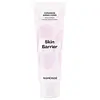 Key Ingredients
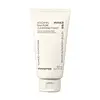
Benefits
Concerns
Ingredients Side-by-side
Water
Skin ConditioningGlycerin
Humectant




Potassium Cocoyl Glycinate
Surfactant
Sodium Lauroyl Glutamate
SurfactantGlyceryl Stearate
Emollient

Citric Acid
Buffering

Lauryl Hydroxysultaine
CleansingGlycol Distearate
Emollient
Sodium Cocoyl Glycinate
Cleansing
Coco-Glucoside
Cleansing
Polyglyceryl-10 Laurate
Skin Conditioning
Hydroxypropyl Starch Phosphate
Polyquaternium-10
Glyceryl Caprylate
EmollientTetrasodium EDTA
Ethylhexylglycerin
Skin ConditioningArginine
Masking
Aspartic Acid
Masking
Glutamic Acid
Humectant
Phytosterols
Skin Conditioning
Ceramide NP
Skin Conditioning


Tocopherol
Antioxidant


Water, Glycerin, Potassium Cocoyl Glycinate, Sodium Lauroyl Glutamate, Glyceryl Stearate, Citric Acid, Lauryl Hydroxysultaine, Glycol Distearate, Sodium Cocoyl Glycinate, Coco-Glucoside, Polyglyceryl-10 Laurate, Hydroxypropyl Starch Phosphate, Polyquaternium-10, Glyceryl Caprylate, Tetrasodium EDTA, Ethylhexylglycerin, Arginine, Aspartic Acid, Glutamic Acid, Phytosterols, Ceramide NP, Tocopherol
Water
Skin ConditioningGlycerin
Humectant
Myristic Acid
Cleansing

Stearic Acid
Cleansing
PEG-32
HumectantPotassium Hydroxide
BufferingButylene Glycol
Humectant
Palmitic Acid
Emollient
Lauric Acid
Cleansing
Cocamidopropyl Betaine
Cleansing
Hydrated Silica
Abrasive
Lauryl Glucoside
CleansingGlyceryl Stearate
Emollient
PEG-100 Stearate
Surfactant
Parfum
Masking
Sodium Chloride
MaskingSilica
Abrasive

Salicylic Acid
Masking




Polyquaternium-7
Zinc PCA
Humectant
Volcanic Ash
Abrasive
Sodium Metaphosphate
BufferingSodium Benzoate
Masking
Lactic Acid
Buffering
Lactic Acid/Glycolic Acid Copolymer
Skin ConditioningGlycolic Acid
Buffering
Madecassoside
Antioxidant
Citric Acid
Buffering
Polyquaternium-10
Water, Glycerin, Myristic Acid, Stearic Acid, PEG-32, Potassium Hydroxide, Butylene Glycol, Palmitic Acid, Lauric Acid, Cocamidopropyl Betaine, Hydrated Silica, Lauryl Glucoside, Glyceryl Stearate, PEG-100 Stearate, Parfum, Sodium Chloride, Silica, Salicylic Acid, Polyquaternium-7, Zinc PCA, Volcanic Ash, Sodium Metaphosphate, Sodium Benzoate, Lactic Acid, Lactic Acid/Glycolic Acid Copolymer, Glycolic Acid, Madecassoside, Citric Acid, Polyquaternium-10
Reviews
Ingredients Explained
These ingredients are found in both products.
Ingredients higher up in an ingredient list are typically present in a larger amount.
Citric Acid is an alpha hydroxy acid (AHA) naturally found in citrus fruits like oranges, lemons, and limes.
Like other AHAs, citric acid can exfoliate skin by breaking down the bonds that hold dead skin cells together. This helps reveal smoother and brighter skin underneath.
However, this exfoliating effect only happens at high concentrations (20%) which can be hard to find in cosmetic products.
Due to this, citric acid is usually included in small amounts as a pH adjuster. This helps keep products slightly more acidic and compatible with skin's natural pH.
In skincare formulas, citric acid can:
While it can provide some skin benefits, research shows lactic acid and glycolic acid are generally more effective and less irritating exfoliants.
Most citric acid used in skincare today is made by fermenting sugars (usually from molasses). This synthetic version is identical to the natural citrus form but easier to stabilize and use in formulations.
Read more about some other popular AHA's here:
Learn more about Citric AcidGlycerin (or glycerol) is a compound naturally found in your skin. It's a powerhouse humectant that pulls water into the stratum corneum.
Topically, glycerin does several things at once:
Your skin makes glycerin on its own (mostly from sebaceous oil breakdown) and shuttles it to your outermost layer of skin, or your epidermis, via aquaporin-3.
Aquaporin-3 is a transporter that is essential for normal skin hydration, elasticity, and repair. Interestingly, mice lacking in AQP3 have dry and less elastic skin that can be fully corrected with glycerin.
This ingredient is non-irritating, plays well with almost every ingredient, and works across all skin types. Typical use is anywhere between 3-10% but can go up to 79% in some leave-on products.
Just know very high concentrations (>40%) can feel tacky in low humidity.
Glycerin is the name for this ingredient in American English. British English uses Glycerol/Glycerine.
Learn more about GlycerinGlyceryl Stearate is made by reacting glycerin with stearic acid (typically sourced from plant oils like palm or coconut). It's an emulsifier, emollient, and mild occlusive.
Emulsifiers help ingredients like oil and water stay mixed so your formula stays nicely blended and uniform in texture.
This ingredient is typically used in concentrations between 1-10%. Studies have found it to be non-sensitizing, non-phototoxic, and non-photoallergenic.
A close cousin of this ingredient is Glyceryl Stearate SE ("self-emulsifying"). This just has a small amount of sodium or potassium stearate added so it can emulsify without a co-emulsifier.
Since this ingredient is an ester of a C18 fatty acid, it may not be fungal acne safe. The Malassezia yeast can potentially metabolize within the C11-C24 range.
Fun fact: The human body also creates Glyceryl Stearate naturally.
Learn more about Glyceryl StearatePolyquaternium-10 is an ammonium salt of hydroxyethylcellulose. It is a white and granular powder used as a film-former and anti-static agent.
This ingredient is commonly found in hair conditioning products. According to a manufacturer, its positive charge makes it great for absorbing hair proteins. The manufacturer also states this ingredient helps with curl retention.
For haircare friends: this ingredient is not a silicone.
Learn more about Polyquaternium-10Water. It's the most common cosmetic ingredient of all. You'll usually see it at the top of ingredient lists, meaning that it makes up the largest part of the product.
So why is it so popular? Water most often acts as a solvent - this means that it helps dissolve other ingredients into the formulation.
You'll also recognize water as that liquid we all need to stay alive. If you see this, drink a glass of water. Remember to stay hydrated!
Learn more about Water

