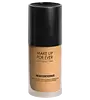
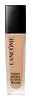
Make Up For Ever Watertone Skin Perfecting Fresh Foundation Versus Lancôme Teint Idole Ultra 24H Long Wear Matte Foundation

What's inside
What's inside
 Key Ingredients
Benefits
Concerns
Ingredients Side-by-side
Water
Skin ConditioningCamellia Sinensis Leaf Water
Masking
Octyldodecyl Stearoyl Stearate
Emollient

Glycerin
Humectant


Sorbitan Trioleate
Emulsifying
Paeonia Lactiflora Root Extract
Skin ConditioningGlyceryl Caprylate
EmollientMethylpropanediol
SolventParfum
Masking


Ethylhexylglycerin
Skin ConditioningAcrylates/C10-30 Alkyl Acrylate Crosspolymer
Emulsion StabilisingSodium Benzoate
Masking
Sodium Hydroxide
BufferingAluminum Dimyristate
Emulsion StabilisingPotassium Sorbate
Preservative
Chlorphenesin
Antimicrobial
Panthenol
Skin Conditioning

Citric Acid
Buffering

Tocopherol
Antioxidant



CI 19140
Cosmetic ColorantCI 42090
Cosmetic ColorantCI 77007
Cosmetic ColorantCI 77163
Cosmetic Colorant
CI 77491
Cosmetic ColorantCI 77492
Cosmetic ColorantCI 77499
Cosmetic ColorantCI 77891
Cosmetic ColorantWater, Camellia Sinensis Leaf Water, Octyldodecyl Stearoyl Stearate, Glycerin, Sorbitan Trioleate, Paeonia Lactiflora Root Extract, Glyceryl Caprylate, Methylpropanediol, Parfum, Ethylhexylglycerin, Acrylates/C10-30 Alkyl Acrylate Crosspolymer, Sodium Benzoate, Sodium Hydroxide, Aluminum Dimyristate, Potassium Sorbate, Chlorphenesin, Panthenol, Citric Acid, Tocopherol, CI 19140, CI 42090, CI 77007, CI 77163, CI 77491, CI 77492, CI 77499, CI 77891
Water
Skin ConditioningDimethicone
Emollient
Isododecane
EmollientAlcohol Denat.
Antimicrobial

Trimethylsiloxysilicate
Emollient
Butylene Glycol
Humectant
PEG-10 Dimethicone
Skin Conditioning
Perlite
Absorbent

Synthetic Fluorphlogopite
Moringa Oleifera Seed Extract
Skin Conditioning
Polymnia Sonchifolia Root Juice
Skin ConditioningCalcium Aluminum Borosilicate
Glycerin
Humectant
Dipentaerythrityl Tetrahydroxystearate/Tetraisostearate
Skin Conditioning
Alpha-Glucan Oligosaccharide
Cleansing
Sodium Hyaluronate
Humectant
Silica
Abrasive
Silica Silylate
Emollient
Hdi/Trimethylol Hexyllactone Crosspolymer
Cellulose
Absorbent
Aluminum Hydroxide
EmollientMagnesium Sulfate
Nylon-12

Disodium Phosphate
BufferingDisodium Stearoyl Glutamate
CleansingIsopropyl Lauroyl Sarcosinate
Skin ConditioningHydrogen Dimethicone
Citric Acid
Buffering
Diisopropyl Sebacate
EmollientBis-PEG/PPG-14/14 Dimethicone
Emollient
Lactobacillus
Skin ConditioningMaltodextrin
Absorbent
Disteardimonium Hectorite
StabilisingBHT
Antioxidant
Tocopherol
Antioxidant
Phenoxyethanol
Preservative
Titanium Dioxide
Cosmetic Colorant
Iron Oxides
Water, Dimethicone, Isododecane, Alcohol Denat., Trimethylsiloxysilicate, Butylene Glycol, PEG-10 Dimethicone, Perlite, Synthetic Fluorphlogopite, Moringa Oleifera Seed Extract, Polymnia Sonchifolia Root Juice, Calcium Aluminum Borosilicate, Glycerin, Dipentaerythrityl Tetrahydroxystearate/Tetraisostearate, Alpha-Glucan Oligosaccharide, Sodium Hyaluronate, Silica, Silica Silylate, Hdi/Trimethylol Hexyllactone Crosspolymer, Cellulose, Aluminum Hydroxide, Magnesium Sulfate, Nylon-12, Disodium Phosphate, Disodium Stearoyl Glutamate, Isopropyl Lauroyl Sarcosinate, Hydrogen Dimethicone, Citric Acid, Diisopropyl Sebacate, Bis-PEG/PPG-14/14 Dimethicone, Lactobacillus, Maltodextrin, Disteardimonium Hectorite, BHT, Tocopherol, Phenoxyethanol, Titanium Dioxide, Iron Oxides
Reviews
Ingredients Explained
These ingredients are found in both products.
Ingredients higher up in an ingredient list are typically present in a larger amount.
Citric Acid is an alpha hydroxy acid (AHA) naturally found in citrus fruits like oranges, lemons, and limes.
Like other AHAs, citric acid can exfoliate skin by breaking down the bonds that hold dead skin cells together. This helps reveal smoother and brighter skin underneath.
However, this exfoliating effect only happens at high concentrations (20%) which can be hard to find in cosmetic products.
Due to this, citric acid is usually included in small amounts as a pH adjuster. This helps keep products slightly more acidic and compatible with skin's natural pH.
In skincare formulas, citric acid can:
While it can provide some skin benefits, research shows lactic acid and glycolic acid are generally more effective and less irritating exfoliants.
Most citric acid used in skincare today is made by fermenting sugars (usually from molasses). This synthetic version is identical to the natural citrus form but easier to stabilize and use in formulations.
Rosacea skin has a lower threshold for acids generally, with 62.5% of rosacea subjects in one study reacting to lactic acid in a sting test. This is why we mark citric acid as a potential rosacea trigger.
However, this ingredient shows up as a pH adjuster or chelator at roughly 0.1-1% in many products. These low levels are unlikely to be an issue for rosacea skin and becomes a potential trigger at exfoliating concentrations (20%). Because everybody's skin is unique, we recommend a patch test if you are unsure.
Learn more about Citric AcidGlycerin (or glycerol) is a compound naturally found in your skin. It's a powerhouse humectant that pulls water into the stratum corneum.
Topically, glycerin does several things at once:
Your skin makes glycerin on its own (mostly from sebaceous oil breakdown) and shuttles it to your outermost layer of skin, or your epidermis, via aquaporin-3.
Aquaporin-3 is a transporter that is essential for normal skin hydration, elasticity, and repair. Interestingly, mice lacking in AQP3 have dry and less elastic skin that can be fully corrected with glycerin.
This ingredient is non-irritating, plays well with almost every ingredient, and works across all skin types. Typical use is anywhere between 3-10% but can go up to 79% in some leave-on products.
Just know very high concentrations (>40%) can feel tacky in low humidity.
Glycerin is the name for this ingredient in American English. British English uses Glycerol/Glycerine.
Learn more about GlycerinTocopherol is a fat-soluble antioxidant known as Vitamin E.
You'll find this ingredient in the vast majority of skincare (for good reason). It works to neutralize free radicals, or unstable molecules generated by UV exposure, pollution, and other environmental stressors, before they can cause oxidative damage to your skin cells.
Topically applied tocopherol has been shown to protect against UV damage by ramping up the skin's own natural defense enzymes.
It also acts as a skin conditioning agent; some studies show that regular topical use can improve the skin's water-binding capacity over 2-4 weeks.
This ingredient is especially loved for being a team player. When combined with Vitamin C, the photoprotective effect of both ingredients roughly doubles and the combo also helps reduce UV-induced DNA damage.
This ingredient has some brightening potential but it's more of a prevention ingredient than spot-fader. Cell studies show it can slow down melanin production but it's worth noting that it's not the most powerful brightener out there.
In formulations, it also serves as a stabilizer that helps protect other oxidation-prone ingredients from degrading.
Concentrations usually range from 0.1-1% in most leave-on products.
Learn more about TocopherolWater. It's the most common cosmetic ingredient of all. You'll usually see it at the top of ingredient lists, meaning that it makes up the largest part of the product.
So why is it so popular? Water most often acts as a solvent - this means that it helps dissolve other ingredients into the formulation.
You'll also recognize water as that liquid we all need to stay alive. If you see this, drink a glass of water. Remember to stay hydrated!
Learn more about Water

