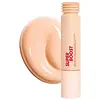
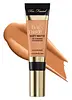
Make Up For Ever Super Boost Lightweight Moisturizing Skin Tint Versus Too Faced Born This Way Soft Matte Foundation


What's inside
What's inside
 Key Ingredients
Benefits
Concerns
Ingredients Side-by-side
Water
Skin ConditioningDimethicone
Emollient

Glycerin
Humectant

Cetyl PEG/PPG-10/1 Dimethicone
Emulsifying
Squalane
Emollient
Propylene Glycol Dicaprylate/Dicaprate
EmollientPropanediol
Solvent
Alcohol Denat.
Antimicrobial




Isododecane
EmollientPentylene Glycol
Skin Conditioning
Dimethicone/Vinyl Dimethicone Crosspolymer
Skin Conditioning
Synthetic Fluorphlogopite
Butylene Glycol
Humectant
Sodium Chloride
MaskingStearalkonium Hectorite
Gel FormingGlyceryl Caprylate
EmollientTocopheryl Acetate
Antioxidant


Sodium Dehydroacetate
Preservative
Propylene Carbonate
SolventTriethoxysilylethyl Polydimethylsiloxyethyl Hexyl Dimethicone
Skin Conditioning
Parfum
Masking

Sodium Hyaluronate
Humectant

Citrus Paradisi Fruit Extract
Skin ConditioningPolyglutamic Acid
Skin Conditioning
Sodium Phytate
Hydrogen Dimethicone
Citric Acid
Buffering
Alcohol
Antimicrobial
CI 77891
Cosmetic ColorantCI 77491
Cosmetic ColorantCI 77492
Cosmetic ColorantCI 77499
Cosmetic ColorantWater, Dimethicone, Glycerin, Cetyl PEG/PPG-10/1 Dimethicone, Squalane, Propylene Glycol Dicaprylate/Dicaprate, Propanediol, Alcohol Denat., Isododecane, Pentylene Glycol, Dimethicone/Vinyl Dimethicone Crosspolymer, Synthetic Fluorphlogopite, Butylene Glycol, Sodium Chloride, Stearalkonium Hectorite, Glyceryl Caprylate, Tocopheryl Acetate, Sodium Dehydroacetate, Propylene Carbonate, Triethoxysilylethyl Polydimethylsiloxyethyl Hexyl Dimethicone, Parfum, Sodium Hyaluronate, Citrus Paradisi Fruit Extract, Polyglutamic Acid, Sodium Phytate, Hydrogen Dimethicone, Citric Acid, Alcohol, CI 77891, CI 77491, CI 77492, CI 77499
Water
Skin ConditioningTrimethylsiloxysilicate
Emollient
Isododecane
EmollientMethyl Trimethicone
Skin Conditioning
Neopentyl Glycol Diheptanoate
EmollientLauryl PEG-9 Polydimethylsiloxyethyl Dimethicone
Skin Conditioning
Dimethicone
Emollient
Butylene Glycol
Humectant
Phenyl Trimethicone
Skin Conditioning
Magnesium Sulfate
Vinyl Dimethicone/Methicone Silsesquioxane Crosspolymer

Tocopherol
Antioxidant
Sodium Hyaluronate
Humectant
Laminaria Saccharina Extract
Skin Protecting
Panax Ginseng Root Extract
Emollient
Rhododendron Ferrugineum Extract
MaskingCocos Nucifera Fruit Juice
Emollient
Cocos Nucifera Liquid Endosperm
Glycerin
Humectant
Triethyl Citrate
Masking
Methoxy Amodimethicone/Silsesquioxane Copolymer
Skin Conditioning
Cetyl PEG/PPG-10/1 Dimethicone
Emulsifying
Lecithin
Emollient
Dipropylene Glycol
HumectantXanthan Gum
EmulsifyingDimethicone/PEG-10/15 Crosspolymer
Disteardimonium Hectorite
StabilisingSilica
Abrasive

Laureth-7
EmulsifyingSodium Citrate
BufferingPentaerythrityl Tetra-Di-T-Butyl Hydroxyhydrocinnamate
Antioxidant
Phenoxyethanol
Preservative
Chlorphenesin
Antimicrobial
Sorbic Acid
Preservative
Mica
Cosmetic ColorantCI 77891
Cosmetic ColorantCI 77491
Cosmetic ColorantCI 77492
Cosmetic ColorantCI 77499
Cosmetic ColorantWater, Trimethylsiloxysilicate, Isododecane, Methyl Trimethicone, Neopentyl Glycol Diheptanoate, Lauryl PEG-9 Polydimethylsiloxyethyl Dimethicone, Dimethicone, Butylene Glycol, Phenyl Trimethicone, Magnesium Sulfate, Vinyl Dimethicone/Methicone Silsesquioxane Crosspolymer, Tocopherol, Sodium Hyaluronate, Laminaria Saccharina Extract, Panax Ginseng Root Extract, Rhododendron Ferrugineum Extract, Cocos Nucifera Fruit Juice, Cocos Nucifera Liquid Endosperm, Glycerin, Triethyl Citrate, Methoxy Amodimethicone/Silsesquioxane Copolymer, Cetyl PEG/PPG-10/1 Dimethicone, Lecithin, Dipropylene Glycol, Xanthan Gum, Dimethicone/PEG-10/15 Crosspolymer, Disteardimonium Hectorite, Silica, Laureth-7, Sodium Citrate, Pentaerythrityl Tetra-Di-T-Butyl Hydroxyhydrocinnamate, Phenoxyethanol, Chlorphenesin, Sorbic Acid, Mica, CI 77891, CI 77491, CI 77492, CI 77499
Ingredients Explained
These ingredients are found in both products.
Ingredients higher up in an ingredient list are typically present in a larger amount.
Butylene Glycol (or BG) is used within cosmetic products for a few different reasons:
Overall, Butylene Glycol is a safe and well-rounded ingredient that works well with other ingredients.
Though this ingredient works well with most skin types, some people with sensitive skin may experience a reaction such as allergic rashes, closed comedones, or itchiness.
Learn more about Butylene GlycolThis ingredient is a silicone-based emulsifer that helps the water and oil phases play nicely together.
It's pretty effective because one end of the molecule loves oil and the other one loves water.
Besides holding formulas together, it also leaves a silky and lightweight feel on skin without the greasiness. A manufacturer also claims it can help with the controlled release of active ingredients.
The CIR Expert Panel found this ingredient to not be sensitizing in concentrations up to 15% in human maximazation testing and dimethicone-based compounds were not comedogenic.
It has a high molecular weight well above 1,000 g/mol which means it limits meaningful skin penetration.
A 2019 study specifically tested this ingredient and found no observable Malassezia growth in its presence.
Learn more about Cetyl PEG/PPG-10/1 DimethiconeCi 77491 is also hydrated iron III oxide. It's sole purpose is to give a red/pink hue to products.
Iron III oxides are classified as inorganic chemicals for coloring.
Synthetically created Ci 77491 is considered safer than those naturally found. This is because the synthetically created version may contain less impurities. Iron oxides are generally non-toxic and non-allergenic.
Learn more about CI 77491CI 77492 is also hydrated iron III oxide. It's sole purpose is to give a yellow hue to products.
Iron III oxides are classified as inorganic chemicals for coloring.
Synthetically created CI 77492 is considered safer than those naturally found. This is because the synthetically created version may contain less impurities. Iron oxides are generally non-toxic and non-allergenic.
Learn more about CI 77492Ci 77499 is also hydrated iron III oxide. It is created from mixing red and black iron oxides. This helps give shades of darkness to a product.
Iron III oxides are classified as inorganic chemicals for coloring.
Ci 77891 is a white pigment from Titanium dioxide. It is naturally found in minerals such as rutile and ilmenite.
It's main function is to add a white color to cosmetics. It can also be mixed with other colors to create different shades.
Ci 77891 is commonly found in sunscreens due to its ability to block UV rays.
Learn more about CI 77891Dimethicone is a type of synthetic silicone created from natural materials such as quartz. It is also known as polydimethylsiloxane.
What it does:
Dimethicone comes in different viscosities:
Depending on the viscosity, dimethicone has different properties.
Ingredients lists don't always show which type is used, so we recommend reaching out to the brand if you have questions about the viscosity.
This ingredient is unlikely to cause irritation because it does not get absorbed into skin. However, people with silicone allergies should be careful about using this ingredient.
Note: Dimethicone may contribute to pilling. This is because it is not oil or water soluble, so pilling may occur when layered with products. When mixed with heavy oils in a formula, the outcome is also quite greasy.
Learn more about DimethiconeGlycerin (or glycerol) is a compound naturally found in your skin. It's a powerhouse humectant that pulls water into the stratum corneum.
Topically, glycerin does several things at once:
Your skin makes glycerin on its own (mostly from sebaceous oil breakdown) and shuttles it to your outermost layer of skin, or your epidermis, via aquaporin-3.
Aquaporin-3 is a transporter that is essential for normal skin hydration, elasticity, and repair. Interestingly, mice lacking in AQP3 have dry and less elastic skin that can be fully corrected with glycerin.
This ingredient is non-irritating, plays well with almost every ingredient, and works across all skin types. Typical use is anywhere between 3-10% but can go up to 79% in some leave-on products.
Just know very high concentrations (>40%) can feel tacky in low humidity.
Glycerin is the name for this ingredient in American English. British English uses Glycerol/Glycerine.
Learn more about GlycerinIsododecane is a fragrance, emollient, and solvent.
As an emollient, it helps your skin stay soft and hydrated. Emollients help trap moisture into your skin.
Isododecane's role as a solvent makes it a great texture enhancer. It spreads smoothly on skin and does not leave a sticky feeling behind. Isododecane also helps prevent color transfer in makeup products.
Isododecane is not absorbed into skin.
The chemical name for this ingredient is 2,2,4,6,6-PENTAMETHYLHEPTANE.
Learn more about IsododecaneSodium Hyaluronate is the salt form of hyaluronic acid. It is a long sugar chain that is naturally found in your skin, joints, and connective tissue that maintains hydration and elasticity.
In skincare, it works as a humectant. It pulls water from the environment and deeper layers of skin and binds it to the surface.
Interestingly, the size of the molecule affects its behavior:
Some clinical evidence links low molecular weight versions to improved wrinkle depth, elasticity, anti-inflammatory effects, and barrier repair.
Many serums use a blend of both weights so you can get surface hydration plus longer-lasting and deeper effects.
You'll typically see concentrations between 0.1-2% for this ingredient.
Learn more about Sodium HyaluronateWater. It's the most common cosmetic ingredient of all. You'll usually see it at the top of ingredient lists, meaning that it makes up the largest part of the product.
So why is it so popular? Water most often acts as a solvent - this means that it helps dissolve other ingredients into the formulation.
You'll also recognize water as that liquid we all need to stay alive. If you see this, drink a glass of water. Remember to stay hydrated!
Learn more about Water

