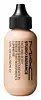
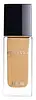
Mac Cosmetics Studio Radiance Face and Body Foundation Versus Dior Forever Skin Glow Hydrating Foundation SPF 15


What's inside
What's inside
 Key Ingredients
Benefits
Concerns
Ingredients Side-by-side
Water
Skin ConditioningDimethicone
Emollient

Hydrogenated Polyisobutene
EmollientButylene Glycol
Humectant

Vp/Hexadecene Copolymer
Stearic Acid
Cleansing

Phenyl Trimethicone
Skin Conditioning
Polyglyceryl-3 Diisostearate
Emulsifying
Ethylhexyl Hydroxystearate
Emollient
Vp/Eicosene Copolymer
Talc
Abrasive
Trimethylsiloxysilicate
Emollient
Tocopherol
Antioxidant





Tocopheryl Acetate
Antioxidant
Fusanus Spicatus Wood Oil
Masking
Citrus Aurantium Dulcis Peel Oil
Masking

Magnesium Aluminum Silicate
Absorbent
Triethanolamine
BufferingPolysorbate 20
Emulsifying
Xanthan Gum
EmulsifyingCetyl Alcohol
Emollient

Farnesol
Perfuming

Disodium EDTA
Phenoxyethanol
Preservative
Chlorphenesin
Antimicrobial
Mica
Cosmetic ColorantCI 77891
Cosmetic ColorantCI 77491
Cosmetic ColorantCI 77492
Cosmetic ColorantCI 77499
Cosmetic ColorantWater, Dimethicone, Hydrogenated Polyisobutene, Butylene Glycol, Vp/Hexadecene Copolymer, Stearic Acid, Phenyl Trimethicone, Polyglyceryl-3 Diisostearate, Ethylhexyl Hydroxystearate, Vp/Eicosene Copolymer, Talc, Trimethylsiloxysilicate, Tocopherol, Tocopheryl Acetate, Fusanus Spicatus Wood Oil, Citrus Aurantium Dulcis Peel Oil, Magnesium Aluminum Silicate, Triethanolamine, Polysorbate 20, Xanthan Gum, Cetyl Alcohol, Farnesol, Disodium EDTA, Phenoxyethanol, Chlorphenesin, Mica, CI 77891, CI 77491, CI 77492, CI 77499
Ethylhexyl Salicylate 4.5%
UV Absorber

Titanium Dioxide 4.23%
Cosmetic Colorant
Water
Skin ConditioningAlcohol
Antimicrobial



Methyl Trimethicone
Skin Conditioning
Isododecane
EmollientPhenyl Trimethicone
Skin Conditioning
Glycerin
Humectant
PEG-9 Polydimethylsiloxyethyl Dimethicone
Emulsifying
Trimethyl Pentaphenyl Trisiloxane
Emollient
Acrylates/Dimethicone Copolymer
Skin Conditioning
Dimethicone
Emollient
Butylene Glycol
Humectant
Cetyl Dimethicone
Emollient
Disteardimonium Hectorite
StabilisingCellulose
Absorbent
Cetyl PEG/PPG-10/1 Dimethicone
Emulsifying
Sodium Myristoyl Glutamate
CleansingParfum
Masking
Propylene Carbonate
SolventChlorphenesin
Antimicrobial
Vp/Va Copolymer
Alumina
Abrasive
Stearic Acid
Cleansing
Aluminum Hydroxide
EmollientHibiscus Sabdariffa Flower Extract
Skin ConditioningTromethamine
BufferingTocopherol
Antioxidant
Tropaeolum Majus Flower/Leaf/Stem Extract
Skin ConditioningHexadecene
SolventHydrolyzed Viola Tricolor Extract
Skin Protecting1,2-Hexanediol
Skin Conditioning
Caprylyl Glycol
Emollient
Iris Florentina Root Extract
MaskingSodium Benzoate
Masking
Potassium Sorbate
Preservative
Pentaerythrityl Tetra-Di-T-Butyl Hydroxyhydrocinnamate
Antioxidant
CI 77491
Cosmetic ColorantCI 77492
Cosmetic ColorantCI 77499
Cosmetic ColorantCI 77891
Cosmetic ColorantEthylhexyl Salicylate 4.5%, Titanium Dioxide 4.23%, Water, Alcohol, Methyl Trimethicone, Isododecane, Phenyl Trimethicone, Glycerin, PEG-9 Polydimethylsiloxyethyl Dimethicone, Trimethyl Pentaphenyl Trisiloxane, Acrylates/Dimethicone Copolymer, Dimethicone, Butylene Glycol, Cetyl Dimethicone, Disteardimonium Hectorite, Cellulose, Cetyl PEG/PPG-10/1 Dimethicone, Sodium Myristoyl Glutamate, Parfum, Propylene Carbonate, Chlorphenesin, Vp/Va Copolymer, Alumina, Stearic Acid, Aluminum Hydroxide, Hibiscus Sabdariffa Flower Extract, Tromethamine, Tocopherol, Tropaeolum Majus Flower/Leaf/Stem Extract, Hexadecene, Hydrolyzed Viola Tricolor Extract, 1,2-Hexanediol, Caprylyl Glycol, Iris Florentina Root Extract, Sodium Benzoate, Potassium Sorbate, Pentaerythrityl Tetra-Di-T-Butyl Hydroxyhydrocinnamate, CI 77491, CI 77492, CI 77499, CI 77891
Reviews
Ingredients Explained
These ingredients are found in both products.
Ingredients higher up in an ingredient list are typically present in a larger amount.
Butylene Glycol (or BG) is used within cosmetic products for a few different reasons:
Overall, Butylene Glycol is a safe and well-rounded ingredient that works well with other ingredients.
Though this ingredient works well with most skin types, some people with sensitive skin may experience a reaction such as allergic rashes, closed comedones, or itchiness.
Learn more about Butylene GlycolChlorphenesin is a synthetic preservative. It helps protect a product against bacteria in order to extend shelf life. In most cases, Chlorphenesin is paired with other preservatives such as phenoxyethanol and caprylyl glycol.
Chlorphenesin is a biocide. This means it is able to help fight the microorganisms on our skin. It is also able to fight odor-releasing bacteria.
Chlorphenesin is soluble in both water and glycerin.
Studies show Chlorphenesin is easily absorbed by our skin. You should speak with a skincare professional if you have concerns about using Chlorphenesin.
Learn more about ChlorphenesinCi 77491 is also hydrated iron III oxide. It's sole purpose is to give a red/pink hue to products.
Iron III oxides are classified as inorganic chemicals for coloring.
Synthetically created Ci 77491 is considered safer than those naturally found. This is because the synthetically created version may contain less impurities. Iron oxides are generally non-toxic and non-allergenic.
Learn more about CI 77491CI 77492 is also hydrated iron III oxide. It's sole purpose is to give a yellow hue to products.
Iron III oxides are classified as inorganic chemicals for coloring.
Synthetically created CI 77492 is considered safer than those naturally found. This is because the synthetically created version may contain less impurities. Iron oxides are generally non-toxic and non-allergenic.
Learn more about CI 77492Ci 77499 is also hydrated iron III oxide. It is created from mixing red and black iron oxides. This helps give shades of darkness to a product.
Iron III oxides are classified as inorganic chemicals for coloring.
Ci 77891 is a white pigment from Titanium dioxide. It is naturally found in minerals such as rutile and ilmenite.
It's main function is to add a white color to cosmetics. It can also be mixed with other colors to create different shades.
Ci 77891 is commonly found in sunscreens due to its ability to block UV rays.
Learn more about CI 77891Dimethicone is a type of synthetic silicone created from natural materials such as quartz. It is also known as polydimethylsiloxane.
What it does:
Dimethicone comes in different viscosities:
Depending on the viscosity, dimethicone has different properties.
Ingredients lists don't always show which type is used, so we recommend reaching out to the brand if you have questions about the viscosity.
This ingredient is unlikely to cause irritation because it does not get absorbed into skin. However, people with silicone allergies should be careful about using this ingredient.
Note: Dimethicone may contribute to pilling. This is because it is not oil or water soluble, so pilling may occur when layered with products. When mixed with heavy oils in a formula, the outcome is also quite greasy.
Learn more about DimethiconePhenyl Trimethicone is a silicon-based polymer. It is derived from silica.
Phenyl Trimethicone is used as an emollient and prevents products from foaming.
As an emollient, it helps trap moisture in the skin. It is considered an occlusive.
Learn more about Phenyl TrimethiconeStearic Acid is a fatty acid that is already found in your skin. It's one of the free fatty acids that works alongside ceramides and cholesterols to maintain your barrier.
In cosmetics, it is a multitasker:
Safety-wise, the CIR Expert Panel has concluded it to be safe in cosmetics when formulated to be non-irritating and non-sensitizing.
Free stearic acid is a C18 fatty acid that the Malassezia yeast can substrate, so this ingredient may not be fungal acne safe.
Learn more about Stearic AcidTocopherol is a fat-soluble antioxidant known as Vitamin E.
You'll find this ingredient in the vast majority of skincare (for good reason). It works to neutralize free radicals, or unstable molecules generated by UV exposure, pollution, and other environmental stressors, before they can cause oxidative damage to your skin cells.
Topically applied tocopherol has been shown to protect against UV damage by ramping up the skin's own natural defense enzymes.
It also acts as a skin conditioning agent; some studies show that regular topical use can improve the skin's water-binding capacity over 2-4 weeks.
This ingredient is especially loved for being a team player. When combined with Vitamin C, the photoprotective effect of both ingredients roughly doubles and the combo also helps reduce UV-induced DNA damage.
This ingredient has some brightening potential but it's more of a prevention ingredient than spot-fader. Cell studies show it can slow down melanin production but it's worth noting that it's not the most powerful brightener out there.
In formulations, it also serves as a stabilizer that helps protect other oxidation-prone ingredients from degrading.
Concentrations usually range from 0.1-1% in most leave-on products.
Learn more about TocopherolWater. It's the most common cosmetic ingredient of all. You'll usually see it at the top of ingredient lists, meaning that it makes up the largest part of the product.
So why is it so popular? Water most often acts as a solvent - this means that it helps dissolve other ingredients into the formulation.
You'll also recognize water as that liquid we all need to stay alive. If you see this, drink a glass of water. Remember to stay hydrated!
Learn more about Water
