
What's inside
What's inside
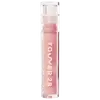
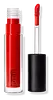 Key Ingredients
Benefits
Concerns
Ingredients Side-by-side
Hydrogenated Polyisobutene
EmollientSimmondsia Chinensis Seed Oil
Emollient





Octyldodecanol
Emollient
Copernicia Cerifera Wax
Tocopheryl Acetate
Antioxidant


Cocos Nucifera Oil
Masking




Orbignya Oleifera Seed Oil
Emollient
Prunus Armeniaca Kernel Oil
Masking
Acrylates Copolymer
Alumina
Abrasive
Aluminum Calcium Sodium Silicate
Calcium Aluminum Borosilicate
Calcium Sodium Borosilicate
Silica
Abrasive

Synthetic Fluorphlogopite
Tin Oxide
Abrasive
Polyethylene Terephthalate
Propylene Carbonate
SolventDisteardimonium Hectorite
StabilisingEthylhexyl Hydroxystearate
Emollient
Vanillin
Masking

Phenoxyethanol
Preservative
Mica
Cosmetic ColorantCI 77891
Cosmetic ColorantCI 77491
Cosmetic ColorantCI 77492
Cosmetic ColorantCI 77499
Cosmetic ColorantCI 77163
Cosmetic Colorant
CI 42090
Cosmetic ColorantCI 77400
Cosmetic ColorantCI 75470
Cosmetic ColorantCI 15850
Cosmetic ColorantCI 45380
Cosmetic ColorantCI 45410
Cosmetic ColorantCI 73360
Cosmetic ColorantCI 17200
Cosmetic ColorantCI 19140
Cosmetic ColorantCI 15985
Cosmetic ColorantHydrogenated Polyisobutene, Simmondsia Chinensis Seed Oil, Octyldodecanol, Copernicia Cerifera Wax, Tocopheryl Acetate, Cocos Nucifera Oil, Orbignya Oleifera Seed Oil, Prunus Armeniaca Kernel Oil, Acrylates Copolymer, Alumina, Aluminum Calcium Sodium Silicate, Calcium Aluminum Borosilicate, Calcium Sodium Borosilicate, Silica, Synthetic Fluorphlogopite, Tin Oxide, Polyethylene Terephthalate, Propylene Carbonate, Disteardimonium Hectorite, Ethylhexyl Hydroxystearate, Vanillin, Phenoxyethanol, Mica, CI 77891, CI 77491, CI 77492, CI 77499, CI 77163, CI 42090, CI 77400, CI 75470, CI 15850, CI 45380, CI 45410, CI 73360, CI 17200, CI 19140, CI 15985
Polybutene
Hydrogenated Polyisobutene
EmollientHydrogenated Polybutene
Prunus Armeniaca Kernel Oil
Masking
Ethylene/Propylene/Styrene Copolymer
Octyldodecanol
Emollient
Silica Dimethyl Silylate
EmollientRicinus Communis Seed Oil
Masking
Persea Gratissima Oil
Skin Conditioning
Rosa Canina Seed Oil
Emollient
Rubus Idaeus Seed Oil
Emollient
Oryza Sativa Bran Extract
Skin Conditioning
Helianthus Annuus Extract
Emollient
Rosmarinus Officinalis Leaf Extract
AntimicrobialButylene/Ethylene/Styrene Copolymer
Aroma

Caprylyl Glycol
Emollient
Ethylhexylglycerin
Skin ConditioningTocopherol
Antioxidant


Pentaerythrityl Tetra-Di-T-Butyl Hydroxyhydrocinnamate
Antioxidant
Iron Oxides
CI 77742
Cosmetic ColorantCI 73360
Cosmetic ColorantCI 15850
Cosmetic ColorantCI 77891
Cosmetic ColorantPolybutene, Hydrogenated Polyisobutene, Hydrogenated Polybutene, Prunus Armeniaca Kernel Oil, Ethylene/Propylene/Styrene Copolymer, Octyldodecanol, Silica Dimethyl Silylate, Ricinus Communis Seed Oil, Persea Gratissima Oil, Rosa Canina Seed Oil, Rubus Idaeus Seed Oil, Oryza Sativa Bran Extract, Helianthus Annuus Extract, Rosmarinus Officinalis Leaf Extract, Butylene/Ethylene/Styrene Copolymer, Aroma, Caprylyl Glycol, Ethylhexylglycerin, Tocopherol, Pentaerythrityl Tetra-Di-T-Butyl Hydroxyhydrocinnamate, Iron Oxides, CI 77742, CI 73360, CI 15850, CI 77891
Reviews
Ingredients Explained
These ingredients are found in both products.
Ingredients higher up in an ingredient list are typically present in a larger amount.
Ci 15850 is the pigment color red. It is an azo dye and created synthetically.
Azo dyes need to be thoroughly purified before use. This allows them to be more stable and longer-lasting.
This ingredient is common in foundations, lipsticks, and blushes. This color is described as brown/orangey red.
It has many secondary names such as Red 6 and Red 7. According to a manufacturer, Red 6 usually contains aluminum.
Learn more about CI 15850Ci 73360 is a synthetic red-pink dye.
It is soluble in water and remains chemically stable across a range of pH levels typically used in cosmetics. This helps manufacturers maintain uniform color throughout a product’s shelf life.
Because this ingredient is a regulated cosmetic colorant, its purity, manufacturing standards, and allowed uses are defined by cosmetic regulations in major markets.
Learn more about CI 73360Ci 77891 is a white pigment from Titanium dioxide. It is naturally found in minerals such as rutile and ilmenite.
It's main function is to add a white color to cosmetics. It can also be mixed with other colors to create different shades.
Ci 77891 is commonly found in sunscreens due to its ability to block UV rays.
Learn more about CI 77891Hydrogenated Polyisobutene is a synthetic polymer. Polymers are compounds with high molecular weight. Hydrogenated Polyisobutene is an emollient and texture enhancer.
In one study, Hydrogenated Polyisobutene showed better skin hydration levels than Caprylic/Capric Triglyceride. As an emollient, it helps keep your skin soft and hydrated by trapping moisture in.
Hydrogenated Polyisobutene is often used as a mineral oil replacement.
Learn more about Hydrogenated PolyisobuteneOctyldodecanol is a fatty alcohol sourced from plant oils like coconut or palm (or made synthetically).
It is:
You'll likely see this in many BHA products because this is the go-to solvent for salicylic acid.
This ingredient is typically used at levels between 2-20%.
Regarding fungal acne:
In 2019, this ingredient was tested against multiple Malassezia species (the yeast that causes fungal acne) and showed no growth.
This ingredient is also known as Apricot kernel oil, and it comes form the seed kernels of apricot (a member of the Rosaceae family like almond, peach, cherry, and plum).
It's mostly made up of triglycerides: oleic acid (43.9-78.5%), linoleic acid (9.7-37%), and palmitic acid (4.9-7.3%). These numbers vary depending on the variety of Prunus and the ripeness of the fruit; oleic tends to go up at late harvest while linoleic goes down.
Vitamin E is also prevalent in this ingredient and the most dominant form is gamma-tocopherol.
These compounds give the ingredient emollient and skin conditioning properties that keep the skin soft and hydrated.
There's no regulatory maximum cap for this ingredient so you'll see it across a huge concentration range (100% as a single ingredient facial oil).
On allergies: refined cosmetic-grade oils carry almost no protein. The CIR notes that people allergic to a food generally do not react to the refined oil because the allergenic protein does not partition into it (though cold-pressed grades retain more).
However, it's worth patch testing if you have a stone fruit or tree nut allergy because manufacturer processes for removing the protein can vary.
Malassezia lacks the cytosolic fatty acid synthase gene so the yeast cannot make palmitate on its own and instead uses lipases and phospholipases to release fatty acids from host lipids. Since apricot kernel oil is entirely C16-18 (right in the usable range of C11-24), this ingredient may not be fungal acne safe.
Old rabbit-ear testing did assign this ingredient a comedogenic rating of 1-2. The original author has stated that testing on rabbit ears is not an ideal model for human comedogenicity.
Human testing has proved that any finished product with a comedogenic ingredient won't automatically make you break out; it really comes down to concentration, formula, and your skin.
Just know high-oleic oils tend to feel heavier on oily skin so it's worth patch testing.
Learn more about Prunus Armeniaca Kernel Oil

