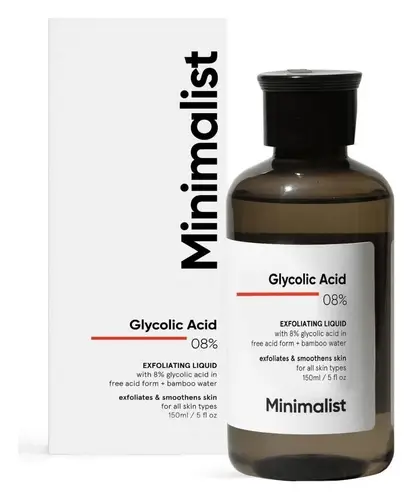
What's inside
What's inside
 Key Ingredients
Benefits
Concerns
Ingredients Side-by-side
Olea Europaea Leaf Cell Extract
Skin ProtectingCitrus Aurantium Amara Flower Water
MaskingPanthenol
Skin Conditioning




Caryodendron Orinocense Seed Oil
Emollient


Pentylene Glycol
Skin Conditioning
Niacinamide
Smoothing







Ascorbyl Tetraisopalmitate
Antioxidant

Dimethyl Isosorbide
SolventHydroxypinacolone Retinoate
Skin Conditioning
Lysolecithin
EmulsifyingLecithin
Emollient
Carthamus Tinctorius Oleosomes
Emollient
Lactobacillus Ferment
Skin Conditioning
Inulin
Skin Conditioning
Alpha-Glucan Oligosaccharide
Cleansing
Nephelium Lappaceum Seed Extract
Skin ConditioningSodium Levulinate
Skin ConditioningSodium Anisate
AntimicrobialUndecylenoyl Phenylalanine
Skin Conditioning
Cyclodextrin
AbsorbentWater
Skin ConditioningRubus Chamaemorus Seed Oil
Skin Conditioning
Retinal
Skin Conditioning
Lonicera Japonica Flower Extract
Skin ConditioningLonicera Caprifolium Flower Extract
Perfuming
Potassium Azeloyl Diglycinate
Skin Conditioning
Tranexamic Acid
Astringent
4-Butylresorcinol
Antioxidant
Acetyl Glycyl Beta-Alanine
Skin ConditioningAcetyl Zingerone
Antioxidant
Bakuchiol
Antimicrobial
Bidens Pilosa Extract
HumectantVigna Aconitifolia Seed Extract
Skin ConditioningThioctic Acid
Antioxidant
Ceramide NP
Skin Conditioning
Sh-Oligopeptide-1
Skin Conditioning
Lysine Hcl
Skin Conditioning
Alanine
Masking
Histidine Hcl
Skin ConditioningArginine
Masking
Serine
Masking
Proline
Skin Conditioning
Glutamic Acid
Humectant
Threonine
Valine
MaskingLeucine
Skin ConditioningGlycine
Buffering
Isoleucine
Skin ConditioningPhenylalanine
Masking
Taurine
BufferingSodium Hyaluronate
Humectant
Sclerotium Gum
Emulsion StabilisingXanthan Gum
EmulsifyingPullulan
Tocopheryl Acetate
Antioxidant
Olea Europaea Leaf Cell Extract, Citrus Aurantium Amara Flower Water, Panthenol, Caryodendron Orinocense Seed Oil, Pentylene Glycol, Niacinamide, Ascorbyl Tetraisopalmitate, Dimethyl Isosorbide, Hydroxypinacolone Retinoate, Lysolecithin, Lecithin, Carthamus Tinctorius Oleosomes, Lactobacillus Ferment, Inulin, Alpha-Glucan Oligosaccharide, Nephelium Lappaceum Seed Extract, Sodium Levulinate, Sodium Anisate, Undecylenoyl Phenylalanine, Cyclodextrin, Water, Rubus Chamaemorus Seed Oil, Retinal, Lonicera Japonica Flower Extract, Lonicera Caprifolium Flower Extract, Potassium Azeloyl Diglycinate, Tranexamic Acid, 4-Butylresorcinol, Acetyl Glycyl Beta-Alanine, Acetyl Zingerone, Bakuchiol, Bidens Pilosa Extract, Vigna Aconitifolia Seed Extract, Thioctic Acid, Ceramide NP, Sh-Oligopeptide-1, Lysine Hcl, Alanine, Histidine Hcl, Arginine, Serine, Proline, Glutamic Acid, Threonine, Valine, Leucine, Glycine, Isoleucine, Phenylalanine, Taurine, Sodium Hyaluronate, Sclerotium Gum, Xanthan Gum, Pullulan, Tocopheryl Acetate

Ingredients Explained
These ingredients are found in both products.
Ingredients higher up in an ingredient list are typically present in a larger amount.
Bakuchiol is a plant-derived antioxidant from the seeds of the Psoralea corylifolia plant. It has antimicrobial, emollient, skin conditioning, and antioxidant properties.
You'll likely see it called a "retinol replacement" but the two are technically not related. This is because bakuchiol is able to flip many of the same switches in your skin cells to tell them to:
1) produce more collagen (type I, III, and IV)
2) activate the same genes retinoids do
Unlike retinoids, this ingredient will not increase photosensitivity and is safe to use during pregnancy (but please still check in with your doctor!).
The flagship clinical trial from Dhaliwal et al. 2019 found 0.5% bakuchiol (twice daily) and 0.5% retinol (once daily) reduced wrinkles and hyperpigmentation equally, but bakuchiol had significantly less irritation.
Systematic reviews also back this up:
Bakuchiol is comparable to retinol for photoaging but with better tolerability. It also has mild antibacterial properties against Cutibacterium acnes and antifungal activity in vitro against Candida and dermatophytes.
The reason bakuchiol works well is due to its structure; it is a meroterpene phenol, or a hybrid molecule. The phenol half acts as an antioxidant while the terpene half is fat-loving. This helps the molecule slip through the skin barrier.
This ingredient is usually used between 0.5-2%. Only one case of contact dermatitis has ever been reported for this ingredient.
Learn more about BakuchiolTocopheryl Acetate is a stable, shelf-friendly form of vitamin E.
Formulators love it because plain vitamin E oxidizes quickly once it hits air. This acetate version stays stable and resists going off, helping to extend a product's shelf life.
It's actually inactive on its own and works like a slow-release "storage" form; the enzymes in your skin called esterases gradually convert it into active vitamin E over time.
One in vivo study showed 5% of the acetate in the living layer of the epidermis converted to vitamin E after 5 days of application. This study also found the skin gained protection against UV damage even though the conversion was slow and small.
Once converted, vitamin E acts as a skin's main fat-soluble antioxidant that fights free radicals to protect skin from damage.
Topical vitamin E generally boosts the skin's photoprotection, and it reduced UV-damage in animal models.
This ingredient has some brightening potential but it's more of a prevention ingredient than spot-fader. Cell studies show it can slow down melanin production but it's worth noting that it's not the most powerful brightener out there.
Overall, it has a pretty solid safety profile and has been found to be non-irritating and non-comedogenic. Allergic reactions may happen but stay rare due to how widely the ingredient gets used.
The concentration will vary depending on the formula; industry data shows 0.1% in baby lotions, 3% in lipsticks, and 5% in foot powders. You can also find this ingredient at 100% in a pure vitamin E oil.
Most leave-on skincare keeps it at the lower end, often between 0.5-1%.
Learn more about Tocopheryl Acetate