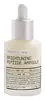
This brightening ampoule is formulated around Saccharomyces/Rice Ferment Filtrate and Niacinamide to brighten dull-looking skin and soften the look of wrinkles.

What's inside
What's inside
 Key Ingredients
Benefits
Concerns
Ingredients Side-by-side
Saccharomyces/Rice Ferment Filtrate
Skin Conditioning


Water
Skin ConditioningIsopropyl Myristate
Emollient



Glycerin
Humectant

Niacinamide
Smoothing









Methylpropanediol
Solvent1,2-Hexanediol
Skin Conditioning
Butylene Glycol
Humectant
Sodium Polyacryloyldimethyl Taurate
Emulsion StabilisingDipropylene Glycol
HumectantHydroxyacetophenone
Antioxidant
Hydrogenated Polydecene
EmollientAcrylates/C10-30 Alkyl Acrylate Crosspolymer
Emulsion StabilisingCaprylyl Glycol
Emollient
Glyceryl Glucoside
Humectant
Tromethamine
BufferingTrideceth-10
CleansingDisodium EDTA
ChelatingHeptasodium Hexacarboxymethyl Dipeptide-12
Skin Conditioning
Pentasodium Tetracarboxymethyl Acetylhydroxyprolyl Dipeptide-12
Skin Conditioning
Melia Azadirachta Flower Extract
Skin ConditioningOcimum Sanctum Leaf Extract
Skin ConditioningBetaine
Humectant
Melia Azadirachta Leaf Extract
Skin ConditioningPentasodium Tetracarboxymethyl Dipeptide-51
Skin Conditioning
Curcuma Longa Root Extract
Antioxidant
Dipeptide-1
Skin Conditioning
Corallina Officinalis Extract
Skin Conditioning
Dipotassium Glycyrrhizate
Humectant
Ananas Sativus Fruit Extract
Skin ConditioningPentylene Glycol
Skin Conditioning
Madecassoside
Antioxidant
Saccharomyces/Rice Ferment Filtrate, Water, Isopropyl Myristate, Glycerin, Niacinamide, Methylpropanediol, 1,2-Hexanediol, Butylene Glycol, Sodium Polyacryloyldimethyl Taurate, Dipropylene Glycol, Hydroxyacetophenone, Hydrogenated Polydecene, Acrylates/C10-30 Alkyl Acrylate Crosspolymer, Caprylyl Glycol, Glyceryl Glucoside, Tromethamine, Trideceth-10, Disodium EDTA, Heptasodium Hexacarboxymethyl Dipeptide-12, Pentasodium Tetracarboxymethyl Acetylhydroxyprolyl Dipeptide-12, Melia Azadirachta Flower Extract, Ocimum Sanctum Leaf Extract, Betaine, Melia Azadirachta Leaf Extract, Pentasodium Tetracarboxymethyl Dipeptide-51, Curcuma Longa Root Extract, Dipeptide-1, Corallina Officinalis Extract, Dipotassium Glycyrrhizate, Ananas Sativus Fruit Extract, Pentylene Glycol, Madecassoside
Water
Skin ConditioningMelia Azadirachta Flower Extract
Skin ConditioningCymbopogon Schoenanthus Extract
Skin ConditioningCurcuma Longa Root Extract
Antioxidant
Tocopheryl Acetate
Antioxidant
Dextrin
AbsorbentHydrogenated Polydecene
EmollientCitrus Aurantifolia Oil
Cleansing

Ocimum Sanctum Leaf Extract
Skin ConditioningTheobroma Cacao Extract
Skin ConditioningGlycerin
Humectant
Nymphaea Alba Flower Extract
Skin ConditioningBetaine
Humectant
Cetyl Ethylhexanoate
EmollientCitrus Limon Peel Oil
Masking

Melia Azadirachta Leaf Extract
Skin ConditioningEclipta Prostrata Extract
Skin Conditioning
Moringa Oleifera Seed Oil
Emollient
Citrus Aurantium Dulcis Peel Oil
Masking
Sodium Chloride
MaskingMentha Rotundifolia Leaf Extract
TonicEthylhexylglycerin
Skin ConditioningOcimum Basilicum Flower/Leaf Extract
TonicLimnanthes Alba Seed Oil
Skin Conditioning
Camellia Japonica Flower Extract
EmollientAloe Barbadensis Leaf Water
MaskingMelia Azadirachta Bark Extract
AntimicrobialCoptis Japonica Root Extract
Skin ConditioningButylene Glycol
Humectant
1,2-Hexanediol
Skin Conditioning
Pearl Powder
Citrus Aurantifolia Peel Extract
Cleansing
Disodium EDTA
ChelatingDipropylene Glycol
HumectantSodium Palmitoyl Proline
Skin ConditioningWater, Melia Azadirachta Flower Extract, Cymbopogon Schoenanthus Extract, Curcuma Longa Root Extract, Tocopheryl Acetate, Dextrin, Hydrogenated Polydecene, Citrus Aurantifolia Oil, Ocimum Sanctum Leaf Extract, Theobroma Cacao Extract, Glycerin, Nymphaea Alba Flower Extract, Betaine, Cetyl Ethylhexanoate, Citrus Limon Peel Oil, Melia Azadirachta Leaf Extract, Eclipta Prostrata Extract, Moringa Oleifera Seed Oil, Citrus Aurantium Dulcis Peel Oil, Sodium Chloride, Mentha Rotundifolia Leaf Extract, Ethylhexylglycerin, Ocimum Basilicum Flower/Leaf Extract, Limnanthes Alba Seed Oil, Camellia Japonica Flower Extract, Aloe Barbadensis Leaf Water, Melia Azadirachta Bark Extract, Coptis Japonica Root Extract, Butylene Glycol, 1,2-Hexanediol, Pearl Powder, Citrus Aurantifolia Peel Extract, Disodium EDTA, Dipropylene Glycol, Sodium Palmitoyl Proline
Reviews
Ingredients Explained
These ingredients are found in both products.
Ingredients higher up in an ingredient list are typically present in a larger amount.
1,2-Hexanediol is a synthetic liquid and another multi-functional powerhouse.
It is a:
- Humectant, drawing moisture into the skin
- Emollient, helping to soften skin
- Solvent, dispersing and stabilizing formulas
- Preservative booster, enhancing the antimicrobial activity of other preservatives
Betaine is a humectant. Like hyaluronic acid, it helps attract and retain moisture in the skin. It’s known for being gentle and for helping the skin maintain balanced hydration.
Betaine is mainly used to improve hydration and support calmer skin. It helps skin cells regulate water balance because it functions as an osmolyte.
Some studies suggest betaine may support making skin tone more even.
Fun fact: Betaine naturally exists in the skin and the body. In cosmetic products, it can be either plant-derived (most commonly from sugar beets) or synthetically produced for consistency and stability.
Betaine is also known as trimethylglycine.
Learn more about BetaineButylene Glycol (or BG) is used within cosmetic products for a few different reasons:
Overall, Butylene Glycol is a safe and well-rounded ingredient that works well with other ingredients.
Though this ingredient works well with most skin types, some people with sensitive skin may experience a reaction such as allergic rashes, closed comedones, or itchiness.
Learn more about Butylene GlycolCurcuma Longa Root Extract comes from the rhizome (underground stem) of the turmeric plant.
While the official EU Cosing Database lists this ingredient as a fragrance, it actually does more than give products a scent.
This ingredient contains a group of yellow pigments called curcuminoids (mostly curcumin) that give it genuine antioxidant and anti-inflammatory activity in skin.
Reviews of topical clinical studies have found turmeric/curcumin to be generally well-tolerated and useful across conditions like eczema and mild inflammation.
One thing working in its favor is that curcumin barely penetrates; in lab skin-permeation testing, the curcuminoids mostly stayed in the outermost layer of skin. This is a good thing because its soothing and antioxidant activity is a surface-level job anyway.
At this time, industry data shows there's no single "correct" cosmetic percentage. It's used across a wide range depending on the product and varies from tiny fractions of a percent up to a few percent.
Allergy-wise, curcumin is a documented (but uncommon) contact allergen. It can also cross react with related plants, so anyone with a turmeric/ginger/cinnamon allergy or reactive skin should patch test first.
Learn more about Curcuma Longa Root ExtractDipropylene Glycol is a synthetically created humectant, stabilizer, and solvent.
This ingredient helps:
Dipropylene glycol is technically an alcohol, but it belongs to the glycol family (often considered part of the ‘good’ alcohols). This means it is hydrating and gentle on skin unlike drying solvent alcohols like denatured alcohol.
As a masking agent, Dipropylene Glycol can be used to cover the smell of other ingredients. However, it does not have a scent.
Studies show Dipropylene Glycol is considered safe to use in skincare.
Learn more about Dipropylene GlycolDisodium EDTA is a chelating agent. It grabs onto and deactivates metal ions that sneak into your products from water, packaging, or air.
This ingredient mainly works behind the scenes and helps with:
On top of that, this ingredient can counteract the effects of hard water by binding to the minerals in it.
One thing worth knowing is that Disodium EDTA has been shown to be a mild penetration enhancer. It can help other ingredients absorb into skin more effectively which can be a double-edged sword (great for actives, but can also make the active too strong if you have sensitive skin).
Clinical patch testing showed no significant skin irritation at typical use concentrations and minimal dermal absorption.
You'll most likely see this ingredient near the end of an ingredient list. It's typically found in concentrations less than 1%.
Learn more about Disodium EDTAGlycerin (or glycerol) is a compound naturally found in your skin. It's a powerhouse humectant that pulls water into the stratum corneum.
Topically, glycerin does several things at once:
Your skin makes glycerin on its own (mostly from sebaceous oil breakdown) and shuttles it to your outermost layer of skin, or your epidermis, via aquaporin-3.
Aquaporin-3 is a transporter that is essential for normal skin hydration, elasticity, and repair. Interestingly, mice lacking in AQP3 have dry and less elastic skin that can be fully corrected with glycerin.
This ingredient is non-irritating, plays well with almost every ingredient, and works across all skin types. Typical use is anywhere between 3-10% but can go up to 79% in some leave-on products.
Just know very high concentrations (>40%) can feel tacky in low humidity.
Glycerin is the name for this ingredient in American English. British English uses Glycerol/Glycerine.
Learn more about GlycerinHydrogenated Polydecene is a synthetic emollient. It forms a non-occlusive film on the skin's surface to provide a silky feel without being greasy.
In vivo studies in volunteers with atopic and dry skin showed no irritation or intolerance. The volunteers also saw a positive effect in dryness, scaling, and roughness after 28 days of use.
Concentrations up to 100% in guinea pig tests found it to be non-sensitizing and completely safe for use in cosmetics.
Learn more about Hydrogenated PolydeceneMelia Azadirachta Flower Extract is from the Neem tree. Neem trees originate from India.
Melia Azadirachta Flower Extract contains antioxidants. Antioxidants help fight free-radicals. Free-radicals are molecules that may damage your skin cells, such as pollution.
The flowers of this tree are lilac colored.
Learn more about Melia Azadirachta Flower ExtractThis ingredient is also known as neem leaf extract. It contains natural compounds like nimbidin, quercetin, and other polyphenols that give it antibacterial, antifungal, and anti-inflammatory activity.
Lab studies have shown neem leaf extract can inhibit acne-related bacteria and help calm skin. Animal studies on wound gels using 1-3% neem leaf extract found it sped up healing without causing irritation.
A wound-healing study testing gels with the extract at 1%, 2%, and 3% concentrations and found none of them irritated the skin.
Most commercial products also use it in a similar low range (typically under 5%).
Allergy-wise, there are some case reports on neem oil causing allergic contact dermatitis so people with plant/botanical sensitivities may want to patch test first.
Learn more about Melia Azadirachta Leaf ExtractOcimum Sanctum Leaf Extract comes from the Holy Basil plant. Holy Basil is native to India.
Holy Basil is rich in antioxidants due to its high romarinic acid, ferulic acid, and rutin content. This gives it skin brightening and soothing properties.
While Holy Basil has many claims to help fight acne, more research is needed.
One thing to note is the presence of tannins; tannins are naturally found in nature. However, this compound may be skin-sensitizing.
Learn more about Ocimum Sanctum Leaf ExtractWater. It's the most common cosmetic ingredient of all. You'll usually see it at the top of ingredient lists, meaning that it makes up the largest part of the product.
So why is it so popular? Water most often acts as a solvent - this means that it helps dissolve other ingredients into the formulation.
You'll also recognize water as that liquid we all need to stay alive. If you see this, drink a glass of water. Remember to stay hydrated!
Learn more about Water

