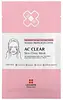
This acne sheet mask is formulated around Chamomilla Recutita Flower Extract and Snail Secretion Filtrate to clear breakouts and calm redness.
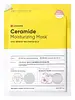
This hydrating sheet mask is formulated around Allantoin and Ceramide AP to hydrate skin and strengthen the skin barrier.

What's inside
What's inside
 Key Ingredients
Benefits
Concerns
Ingredients Side-by-side
Water
Skin ConditioningMethylpropanediol
SolventButylene Glycol
Humectant

Glycerin
Humectant
Dipropylene Glycol
HumectantChamomilla Recutita Flower Extract
Masking

Acer Saccharum Extract
Skin ConditioningPortulaca Oleracea Extract
Skin Conditioning
Hydroxyethyl Acrylate/Sodium Acryloyldimethyl Taurate Copolymer
Emulsion StabilisingBetaine
Humectant
Snail Secretion Filtrate
Skin Conditioning
Xanthan Gum
EmulsifyingCaprylyl Glycol
Emollient
Ethylhexylglycerin
Skin ConditioningPolysorbate 60
Emulsifying

Sorbitan Isostearate
Emulsifying
Parfum
Masking



Sodium Hyaluronate
Humectant

Artemisia Capillaris Flower Extract
Skin ConditioningEcklonia Cava Extract
Skin Conditioning
Houttuynia Cordata Extract
Skin Conditioning
Ledum Palustre Extract
MaskingSaururus Chinensis Extract
Skin ConditioningAchillea Millefolium Extract
CleansingArnica Montana Flower Extract
Masking
Artemisia Absinthium Extract
Skin ConditioningGentiana Lutea Root Extract
Skin ConditioningBisabolol
Antioxidant
Melaleuca Alternifolia Leaf Oil
Antioxidant



Palmitoyl Tripeptide-5
Skin Conditioning

Caesalpinia Sappan Bark Extract
Skin ConditioningMagnolia Obovata Bark Extract
Skin ConditioningTerminalia Chebula Fruit Extract
Skin ConditioningWater, Methylpropanediol, Butylene Glycol, Glycerin, Dipropylene Glycol, Chamomilla Recutita Flower Extract, Acer Saccharum Extract, Portulaca Oleracea Extract, Hydroxyethyl Acrylate/Sodium Acryloyldimethyl Taurate Copolymer, Betaine, Snail Secretion Filtrate, Xanthan Gum, Caprylyl Glycol, Ethylhexylglycerin, Polysorbate 60, Sorbitan Isostearate, Parfum, Sodium Hyaluronate, Artemisia Capillaris Flower Extract, Ecklonia Cava Extract, Houttuynia Cordata Extract, Ledum Palustre Extract, Saururus Chinensis Extract, Achillea Millefolium Extract, Arnica Montana Flower Extract, Artemisia Absinthium Extract, Gentiana Lutea Root Extract, Bisabolol, Melaleuca Alternifolia Leaf Oil, Palmitoyl Tripeptide-5, Caesalpinia Sappan Bark Extract, Magnolia Obovata Bark Extract, Terminalia Chebula Fruit Extract
Water
Skin ConditioningDipropylene Glycol
HumectantButylene Glycol
Humectant
Glycerin
Humectant
Methylpropanediol
Solvent1,2-Hexanediol
Skin Conditioning
Glycereth-26
Humectant
Propanediol
Solvent
Arginine
Masking
Acrylates/C10-30 Alkyl Acrylate Crosspolymer
Emulsion StabilisingAllantoin
Skin Conditioning
Betaine
Humectant
Hydroxyethyl Acrylate/Sodium Acryloyldimethyl Taurate Copolymer
Emulsion StabilisingXanthan Gum
EmulsifyingCaprylyl Glycol
Emollient
Ethylhexylglycerin
Skin ConditioningDisodium EDTA
ChelatingSodium Hyaluronate
Humectant
Polyglyceryl-10 Laurate
Skin Conditioning
Sorbitan Isostearate
Emulsifying
Macadamia Ternifolia Seed Oil
Emollient
Ceramide AP
Skin Conditioning
Prunus Persica Flower Extract
MoisturisingPhytosphingosine
Skin Conditioning
Hydrogenated Lecithin
Emulsifying
Water, Dipropylene Glycol, Butylene Glycol, Glycerin, Methylpropanediol, 1,2-Hexanediol, Glycereth-26, Propanediol, Arginine, Acrylates/C10-30 Alkyl Acrylate Crosspolymer, Allantoin, Betaine, Hydroxyethyl Acrylate/Sodium Acryloyldimethyl Taurate Copolymer, Xanthan Gum, Caprylyl Glycol, Ethylhexylglycerin, Disodium EDTA, Sodium Hyaluronate, Polyglyceryl-10 Laurate, Sorbitan Isostearate, Macadamia Ternifolia Seed Oil, Ceramide AP, Prunus Persica Flower Extract, Phytosphingosine, Hydrogenated Lecithin
Ingredients Explained
These ingredients are found in both products.
Ingredients higher up in an ingredient list are typically present in a larger amount.
Betaine is a humectant. Like hyaluronic acid, it helps attract and retain moisture in the skin. It’s known for being gentle and for helping the skin maintain balanced hydration.
Betaine is mainly used to improve hydration and support calmer skin. It helps skin cells regulate water balance because it functions as an osmolyte.
Some studies suggest betaine may support making skin tone more even.
Fun fact: Betaine naturally exists in the skin and the body. In cosmetic products, it can be either plant-derived (most commonly from sugar beets) or synthetically produced for consistency and stability.
Betaine is also known as trimethylglycine.
Learn more about BetaineButylene Glycol (or BG) is used within cosmetic products for a few different reasons:
Overall, Butylene Glycol is a safe and well-rounded ingredient that works well with other ingredients.
Though this ingredient works well with most skin types, some people with sensitive skin may experience a reaction such as allergic rashes, closed comedones, or itchiness.
Learn more about Butylene GlycolCaprylyl Glycol is a humectant, skin conditioner, emollient, and preservative booster derived from either caprylic acid or synthetically created.
Typical use levels vary from 0.3-1% as a preservative booster and go up to 2% to condition skin.
Because it is not a free-fatty acid, this ingredient is fungal acne safe (there's nothing for Malassezia to feed on).
Learn more about Caprylyl GlycolDipropylene Glycol is a synthetically created humectant, stabilizer, and solvent.
This ingredient helps:
Dipropylene glycol is technically an alcohol, but it belongs to the glycol family (often considered part of the ‘good’ alcohols). This means it is hydrating and gentle on skin unlike drying solvent alcohols like denatured alcohol.
As a masking agent, Dipropylene Glycol can be used to cover the smell of other ingredients. However, it does not have a scent.
Studies show Dipropylene Glycol is considered safe to use in skincare.
Learn more about Dipropylene GlycolEthylhexylglycerin is created from glycerin. It is a multitasker ingredient that:
The CIR Expert Panel found minimal skin absorption or sensitization of any kind in a safety assessment. Though this ingredient is considered well-tolerated, a small number of cases of allergic dermatitis have been published since 2002. Just be sure to patch test if you are unsure.
Industry-reported use ranges from 8% in rinse-off products and 2% in leave-on formulations.
Learn more about EthylhexylglycerinGlycerin (or glycerol) is a compound naturally found in your skin. It's a powerhouse humectant that pulls water into the stratum corneum.
Topically, glycerin does several things at once:
Your skin makes glycerin on its own (mostly from sebaceous oil breakdown) and shuttles it to your outermost layer of skin, or your epidermis, via aquaporin-3.
Aquaporin-3 is a transporter that is essential for normal skin hydration, elasticity, and repair. Interestingly, mice lacking in AQP3 have dry and less elastic skin that can be fully corrected with glycerin.
This ingredient is non-irritating, plays well with almost every ingredient, and works across all skin types. Typical use is anywhere between 3-10% but can go up to 79% in some leave-on products.
Just know very high concentrations (>40%) can feel tacky in low humidity.
Glycerin is the name for this ingredient in American English. British English uses Glycerol/Glycerine.
Learn more about GlycerinThis is a synthetic polymer. It helps improve the texture of products by adding thickness and gel-like feel.
It is also an emulsifer, meaning it prevents ingredients such as oil and water from separating. It also helps evenly disperse other ingredients.
Methylpropanediol is a synthetic solvent and humectant.
As a solvent, it helps dissolve other ingredients, helping to evenly distribute ingredients throughout the product. This ingredient has also been shown to have antimicrobial properties which makes it a preservative booster.
Methylpropanediol is able to add a bit of moisture to the skin. It also helps other ingredients be better absorbed into the skin, such as salicylic acid.
Learn more about MethylpropanediolSodium Hyaluronate is the salt form of hyaluronic acid. It is a long sugar chain that is naturally found in your skin, joints, and connective tissue that maintains hydration and elasticity.
In skincare, it works as a humectant. It pulls water from the environment and deeper layers of skin and binds it to the surface.
Interestingly, the size of the molecule affects its behavior:
Some clinical evidence links low molecular weight versions to improved wrinkle depth, elasticity, anti-inflammatory effects, and barrier repair.
Many serums use a blend of both weights so you can get surface hydration plus longer-lasting and deeper effects.
You'll typically see concentrations between 0.1-2% for this ingredient.
Learn more about Sodium HyaluronateSorbitan Isostearate is an emulsifer. It is created from isostearic acid and sorbitol.
As an emulsifier, it keeps the water and oil ingredients from separating. This keeps formulas stable and smooth.
In a 24 hour occlusive patch test on 56 subjects, 10% sorbitan isostearate was completely non-irritating. Most formulas use less than 10%.
Because it's a fatty acid ester, it may not be fungal acne safe since the Malassezia yeast can utilize it as a nutrient source.
Learn more about Sorbitan IsostearateWater. It's the most common cosmetic ingredient of all. You'll usually see it at the top of ingredient lists, meaning that it makes up the largest part of the product.
So why is it so popular? Water most often acts as a solvent - this means that it helps dissolve other ingredients into the formulation.
You'll also recognize water as that liquid we all need to stay alive. If you see this, drink a glass of water. Remember to stay hydrated!
Learn more about WaterXanthan gum is used as a stabilizer and thickener within cosmetic products. It helps give products a sticky, thick feeling - preventing them from being too runny.
On the technical side of things, xanthan gum is a polysaccharide - a combination consisting of multiple sugar molecules bonded together.
Xanthan gum is a pretty common and great ingredient. It is a natural, non-toxic, non-irritating ingredient that is also commonly used in food products.
Learn more about Xanthan Gum

