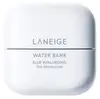
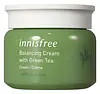
Laneige Water Bank Blue Hyaluronic Gel Moisturizer Versus innisfree Green Tea Moisture-Balancing Cream
This moisturizer is formulated around Limnanthes Alba Seed Oil and Hydrolyzed Hyaluronic Acid to hydrate skin.
This barrier-repair moisturizer is formulated around Butyrospermum Parkii Butter and Camellia Sinensis Leaf Extract to strengthen the skin barrier and hydrate skin.

What's inside
What's inside
 Key Ingredients
Benefits
Concerns
Ingredients Side-by-side
Water
Skin ConditioningPropanediol
Solvent

Glycerin
Humectant
Limnanthes Alba Seed Oil
Skin Conditioning


Betaine
Humectant
Behenyl Alcohol
Emollient
1,2-Hexanediol
Skin Conditioning
Carbomer
Emulsion StabilisingTromethamine
BufferingJojoba Esters
Emollient
Arachidyl Alcohol
Emollient
Glyceryl Caprylate
EmollientButylene Glycol
Humectant
Ethylhexylglycerin
Skin ConditioningDisodium EDTA
ChelatingArachidyl Glucoside
EmulsifyingMentha Arvensis Leaf Extract
MaskingParfum
Masking



Hydrolyzed Hyaluronic Acid
Humectant

Malachite Extract
Antioxidant
Aureobasidium Pullulans Ferment
Skin ConditioningTocopherol
Antioxidant



Undaria Pinnatifida Extract
Skin ConditioningWater, Propanediol, Glycerin, Limnanthes Alba Seed Oil, Betaine, Behenyl Alcohol, 1,2-Hexanediol, Carbomer, Tromethamine, Jojoba Esters, Arachidyl Alcohol, Glyceryl Caprylate, Butylene Glycol, Ethylhexylglycerin, Disodium EDTA, Arachidyl Glucoside, Mentha Arvensis Leaf Extract, Parfum, Hydrolyzed Hyaluronic Acid, Malachite Extract, Aureobasidium Pullulans Ferment, Tocopherol, Undaria Pinnatifida Extract
Water
Skin ConditioningMethyl Trimethicone
Skin Conditioning
Propanediol
Solvent
Glycerin
Humectant
Cetyl Ethylhexanoate
EmollientPentaerythrityl Tetraethylhexanoate
Emollient
Hydrogenated Poly(C6-14 Olefin)
Emollient1,2-Hexanediol
Skin Conditioning
C14-22 Alcohols
Emulsion Stabilising
Arachidyl Alcohol
Emollient
Stearic Acid
Cleansing
Glyceryl Stearate
Emollient
Butyrospermum Parkii Butter
Skin Conditioning
Betaine
Humectant
Glyceryl Stearate Citrate
Emollient
Palmitic Acid
Emollient
Behenyl Alcohol
Emollient
Hydroxyethyl Acrylate/Sodium Acryloyldimethyl Taurate Copolymer
Emulsion StabilisingC12-20 Alkyl Glucoside
EmulsifyingArachidyl Glucoside
EmulsifyingParfum
Masking
Acrylates/C10-30 Alkyl Acrylate Crosspolymer
Emulsion StabilisingGlyceryl Caprylate
EmollientTromethamine
BufferingDisodium EDTA
ChelatingEthylhexylglycerin
Skin ConditioningCamellia Sinensis Leaf Extract
Antimicrobial

Sorbitan Isostearate
Emulsifying
Myristic Acid
Cleansing
Lauric Acid
Cleansing
Water, Methyl Trimethicone, Propanediol, Glycerin, Cetyl Ethylhexanoate, Pentaerythrityl Tetraethylhexanoate, Hydrogenated Poly(C6-14 Olefin), 1,2-Hexanediol, C14-22 Alcohols, Arachidyl Alcohol, Stearic Acid, Glyceryl Stearate, Butyrospermum Parkii Butter, Betaine, Glyceryl Stearate Citrate, Palmitic Acid, Behenyl Alcohol, Hydroxyethyl Acrylate/Sodium Acryloyldimethyl Taurate Copolymer, C12-20 Alkyl Glucoside, Arachidyl Glucoside, Parfum, Acrylates/C10-30 Alkyl Acrylate Crosspolymer, Glyceryl Caprylate, Tromethamine, Disodium EDTA, Ethylhexylglycerin, Camellia Sinensis Leaf Extract, Sorbitan Isostearate, Myristic Acid, Lauric Acid
Reviews
Ingredients Explained
These ingredients are found in both products.
Ingredients higher up in an ingredient list are typically present in a larger amount.
1,2-Hexanediol is a synthetic liquid and another multi-functional powerhouse.
It is a:
- Humectant, drawing moisture into the skin
- Emollient, helping to soften skin
- Solvent, dispersing and stabilizing formulas
- Preservative booster, enhancing the antimicrobial activity of other preservatives
Arachidyl Alcohol is a fatty alcohol made from the the arachidic acid found in peanut oil.
Despite having "alcohol" in the name, it is not related to denatured alcohol or ethanol.
This ingredient is a multitasker:
Just be sure to patch this ingredient if you have a peanut allergy (though this ingredient is highly processed and the allergenic proteins are typically removed).
Learn more about Arachidyl AlcoholThis ingredient is a plant-based surfactant and emulsifier. It helps oil and water based ingredients mix evenly to improve formula stability without adding a "greasy" feel.
Behenyl Alcohol is a type of fatty alcohol (these are different from the drying, solvent alcohols).
Fatty Alcohols have hydrating properties and are most often used as an emollient or to thicken a product. They are usually derived from natural fats and oils; behenyl alcohol is derived from the fats of vegetable oils.
Emollients help keep your skin soft and hydrated by creating a film that traps moisture in.
In 2000, Behenyl Alcohol was approved by the US as medicine to reduce the duration of cold sores.
Learn more about Behenyl AlcoholBetaine is a humectant. Like hyaluronic acid, it helps attract and retain moisture in the skin. It’s known for being gentle and for helping the skin maintain balanced hydration.
Betaine is mainly used to improve hydration and support calmer skin. It helps skin cells regulate water balance because it functions as an osmolyte.
Some studies suggest betaine may support making skin tone more even.
Fun fact: Betaine naturally exists in the skin and the body. In cosmetic products, it can be either plant-derived (most commonly from sugar beets) or synthetically produced for consistency and stability.
Betaine is also known as trimethylglycine.
Learn more about BetaineDisodium EDTA is a chelating agent. It grabs onto and deactivates metal ions that sneak into your products from water, packaging, or air.
This ingredient mainly works behind the scenes and helps with:
On top of that, this ingredient can counteract the effects of hard water by binding to the minerals in it.
One thing worth knowing is that Disodium EDTA has been shown to be a mild penetration enhancer. It can help other ingredients absorb into skin more effectively which can be a double-edged sword (great for actives, but can also make the active too strong if you have sensitive skin).
Clinical patch testing showed no significant skin irritation at typical use concentrations and minimal dermal absorption.
You'll most likely see this ingredient near the end of an ingredient list. It's typically found in concentrations less than 1%.
Learn more about Disodium EDTAEthylhexylglycerin is created from glycerin. It is a multitasker ingredient that:
The CIR Expert Panel found minimal skin absorption or sensitization of any kind in a safety assessment. Though this ingredient is considered well-tolerated, a small number of cases of allergic dermatitis have been published since 2002. Just be sure to patch test if you are unsure.
Industry-reported use ranges from 8% in rinse-off products and 2% in leave-on formulations.
Learn more about EthylhexylglycerinGlycerin (or glycerol) is a compound naturally found in your skin. It's a powerhouse humectant that pulls water into the stratum corneum.
Topically, glycerin does several things at once:
Your skin makes glycerin on its own (mostly from sebaceous oil breakdown) and shuttles it to your outermost layer of skin, or your epidermis, via aquaporin-3.
Aquaporin-3 is a transporter that is essential for normal skin hydration, elasticity, and repair. Interestingly, mice lacking in AQP3 have dry and less elastic skin that can be fully corrected with glycerin.
This ingredient is non-irritating, plays well with almost every ingredient, and works across all skin types. Typical use is anywhere between 3-10% but can go up to 79% in some leave-on products.
Just know very high concentrations (>40%) can feel tacky in low humidity.
Glycerin is the name for this ingredient in American English. British English uses Glycerol/Glycerine.
Learn more about GlycerinGlyceryl Caprylate comes from glycerin and caprylic acid. It is an emollient, co-emulsifier, and preservative booster.
Its short C8 fatty acid chain makes it behave differently from its longer-chain emollient cousins like Glyceryl Stearate. It feels more lightweight, fast-absorbing, and silky instead of rich and waxy.
As a co-emulsifier, its "head" and "tail" sit at the oil-water interface. But overall, the short C8 tail and not being water soluble means it doesn't really have the muscle to emulsify a formula on its own. That's why you'll often see it paired with a primary emulsifier like Cetearyl Glucoside.
Interestingly, Glyceryl Caprylate acts as a preservative booster. This is because its fatty-acid backbone disrupts microbial lipid membranes. It shows excellent activity against bacteria and yeast but is weaker against mold.
Typical concentrations range from 0.5-1% and this ingredient is generally non-irritating.
Because this ingredient has a C8 fatty acid chain, it is outside the range that the Malassezia yeast metabolizes (making it fungal acne safe).
Learn more about Glyceryl CaprylateParfum is a catch-all term for an ingredient or more that is used to give a scent to products.
Also called "fragrance", this ingredient can be a blend of hundreds of chemicals or plant oils. This means every product with "fragrance" or "parfum" in the ingredients list is a different mixture.
For instance, Habanolide is a proprietary trade name for a specific aroma chemical. When used as a fragrance ingredient in cosmetics, most aroma chemicals fall under the broad labeling category of “FRAGRANCE” or “PARFUM” according to EU and US regulations.
The term 'parfum' or 'fragrance' is not regulated in many countries. In many cases, it is up to the brand to define this term.
For instance, many brands choose to label themselves as "fragrance-free" because they are not using synthetic fragrances. However, their products may still contain ingredients such as essential oils that are considered a fragrance by INCI standards.
One example is Calendula flower extract. Calendula is an essential oil that still imparts a scent or 'fragrance'.
Depending on the blend, the ingredients in the mixture can cause allergies and sensitivities on the skin. Some ingredients that are known EU allergens include linalool and citronellol.
Parfum can also be used to mask or cover an unpleasant scent.
The bottom line is: not all fragrances/parfum/ingredients are created equally. If you are worried about fragrances, we recommend taking a closer look at an ingredient. And of course, we always recommend speaking with a professional.
Learn more about ParfumPropanediol is an all-star ingredient. It softens, hydrates, and smooths the skin.
It’s often used to:
Propanediol is not likely to cause sensitivity and considered safe to use. It is derived from corn or petroleum with a clear color and no scent.
Learn more about PropanediolTromethamine (aka THAM) is a synthetic amino acid that shows up in skincare as a helper ingredient.
It functions as a pH adjuster to help neutralize acidic ingredients and set a formula's pH to the right spot.
This matters a lot because a lot of actives (like vitamin C) needs a specific pH to work well and feel comfortable on skin.
Concentration use ranges from 0.1-1.0% depending on the formula.
Learn more about TromethamineWater. It's the most common cosmetic ingredient of all. You'll usually see it at the top of ingredient lists, meaning that it makes up the largest part of the product.
So why is it so popular? Water most often acts as a solvent - this means that it helps dissolve other ingredients into the formulation.
You'll also recognize water as that liquid we all need to stay alive. If you see this, drink a glass of water. Remember to stay hydrated!
Learn more about Water

