

What's inside
What's inside
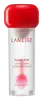 Key Ingredients
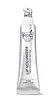
Benefits
Concerns
Ingredients Side-by-side
Hydrogenated Poly(C6-14 Olefin)
EmollientHydrogenated Polyisobutene
EmollientEthylene/Propylene/Styrene Copolymer
Tocopheryl Acetate
Antioxidant


Menthoxypropanediol
Masking

Parfum
Masking


Butylene/Ethylene/Styrene Copolymer
Methyl Nicotinate
SoothingCaprylic/Capric Triglyceride
Masking


Squalane
Emollient
Simmondsia Chinensis Seed Oil
Emollient


Capsicum Frutescens Fruit Extract
Skin Conditioning
Zingiber Officinale Root Oil
Masking

Canola Oil
Emollient

Water
Skin ConditioningPentaerythrityl Tetra-Di-T-Butyl Hydroxyhydrocinnamate
Antioxidant
Oenothera Biennis Oil
Emollient
Propanediol
Solvent
Sodium Hyaluronate
Humectant
1,2-Hexanediol
Skin Conditioning
Caprylyl Glycol
Emollient
Hydrolyzed Hyaluronic Acid
Humectant
Sodium Hyaluronate Crosspolymer
Humectant
Hyaluronic Acid
Humectant
Ethylhexylglycerin
Skin ConditioningSodium Acetylated Hyaluronate
Humectant
Acetyl Tetrapeptide-2
Skin Conditioning
Linalyl Acetate
Masking
Citrus Aurantium Peel Oil
Hexyl Cinnamal
Perfuming
Limonene
Perfuming
Linalool
Perfuming
Geranyl Acetate
Perfuming
Citral
Perfuming
Geraniol
Perfuming
Eucalyptus Globulus Oil
Hydrogenated Poly(C6-14 Olefin), Hydrogenated Polyisobutene, Ethylene/Propylene/Styrene Copolymer, Tocopheryl Acetate, Menthoxypropanediol, Parfum, Butylene/Ethylene/Styrene Copolymer, Methyl Nicotinate, Caprylic/Capric Triglyceride, Squalane, Simmondsia Chinensis Seed Oil, Capsicum Frutescens Fruit Extract, Zingiber Officinale Root Oil, Canola Oil, Water, Pentaerythrityl Tetra-Di-T-Butyl Hydroxyhydrocinnamate, Oenothera Biennis Oil, Propanediol, Sodium Hyaluronate, 1,2-Hexanediol, Caprylyl Glycol, Hydrolyzed Hyaluronic Acid, Sodium Hyaluronate Crosspolymer, Hyaluronic Acid, Ethylhexylglycerin, Sodium Acetylated Hyaluronate, Acetyl Tetrapeptide-2, Linalyl Acetate, Citrus Aurantium Peel Oil, Hexyl Cinnamal, Limonene, Linalool, Geranyl Acetate, Citral, Geraniol, Eucalyptus Globulus Oil
Hydrogenated Polyisobutene
EmollientEthylhexyl Palmitate
Emollient
Ethylene/Propylene/Styrene Copolymer
Synthetic Beeswax
Emulsion Stabilising
Synthetic Wax
Abrasive
Squalane
Emollient
Isosorbide Dicaprylate
Skin ConditioningShea Butter Ethyl Esters
Emollient
Isopropyl Palmitate
Emollient
Ethyl Linoleate
Emollient
Simmondsia Chinensis Seed Oil
Emollient
Sodium Hyaluronate
Humectant
Palmitoyl Tripeptide-1
Skin Conditioning
Capsicum Frutescens Fruit Extract
Skin Conditioning
Punica Granatum Flower Extract
Skin Conditioning
Swertia Chirata Extract
HumectantUndaria Pinnatifida Extract
Skin ConditioningEthyl Oleate
Emollient
Zingiber Officinale Root Oil
Masking
Canola Oil
Emollient
Ethyl Linolenate
Emollient
Polyglyceryl-3 Diisostearate
Emulsifying
Lecithin
Emollient
Tocopheryl Acetate
Antioxidant
Trihydroxystearin
Skin Conditioning
Caprylic/Capric Triglyceride
Masking
Butylene/Ethylene/Styrene Copolymer
Ethyl Palmitate
Emollient
Water
Skin ConditioningEthyl Stearate
Emollient
Glyceryl Behenate
Emollient
Euphorbia Cerifera Wax
Sorbitan Oleate
Emulsifying
Glucomannan
Skin ConditioningMethyl Nicotinate
SoothingPentaerythrityl Tetra-Di-T-Butyl Hydroxyhydrocinnamate
Antioxidant
Caprylyl Glycol
Emollient
1,2-Hexanediol
Skin Conditioning
Hydrogenated Polyisobutene, Ethylhexyl Palmitate, Ethylene/Propylene/Styrene Copolymer, Synthetic Beeswax, Synthetic Wax, Squalane, Isosorbide Dicaprylate, Shea Butter Ethyl Esters, Isopropyl Palmitate, Ethyl Linoleate, Simmondsia Chinensis Seed Oil, Sodium Hyaluronate, Palmitoyl Tripeptide-1, Capsicum Frutescens Fruit Extract, Punica Granatum Flower Extract, Swertia Chirata Extract, Undaria Pinnatifida Extract, Ethyl Oleate, Zingiber Officinale Root Oil, Canola Oil, Ethyl Linolenate, Polyglyceryl-3 Diisostearate, Lecithin, Tocopheryl Acetate, Trihydroxystearin, Caprylic/Capric Triglyceride, Butylene/Ethylene/Styrene Copolymer, Ethyl Palmitate, Water, Ethyl Stearate, Glyceryl Behenate, Euphorbia Cerifera Wax, Sorbitan Oleate, Glucomannan, Methyl Nicotinate, Pentaerythrityl Tetra-Di-T-Butyl Hydroxyhydrocinnamate, Caprylyl Glycol, 1,2-Hexanediol
Ingredients Explained
These ingredients are found in both products.
Ingredients higher up in an ingredient list are typically present in a larger amount.
1,2-Hexanediol is a synthetic liquid and another multi-functional powerhouse.
It is a:
- Humectant, drawing moisture into the skin
- Emollient, helping to soften skin
- Solvent, dispersing and stabilizing formulas
- Preservative booster, enhancing the antimicrobial activity of other preservatives
This ingredient is a high-molecular weight synthetic polymer. It is used to modify the viscosity of a formula, improve slip, and create a more "cushiony" texture.
Due to its large molecular size, this ingredient is not absorbed into the skin.
Canola Oil is a plant-oil and low-erucic-acid variety of rapeseed. Like other seed oils, it functions as an emollient that softens skin and slows water loss.
Its fatty acid profile is mostly linoleic acid (55-65%) with some oleic, palmitic, and stearic acids. There are also some small amounts of vitamin E and plant sterols.
The sterol content is pretty interesting:
In a controlled human study, a single application of canola oil and especially its sterol-enriched fraction reduced visible irritation, redness, and water loss caused by SLS. Plain canola oil and most other tested oils did little on healthy, un-irritated skin.
It's pretty much just a calm, moisturizing oil that helps with soothing if your skin is already irritated.
Fun fact: Canadian growers bred the low-erucic variety in the 1970's, and the name stands for "Canadian oil, Low Acid").
Since canola oil is made up of C18 fatty acids, it may not be fungal acne safe. The Malassezia yeast feeds on chain lengths C11-24.
This ingredient shows up on a lot of "pore-clogging" lists but there's no real evidence behind that. It doesn't even have a comedogenic rating from an actual study; the numbers you'll find online come from blogs citing other blogs.
Some people still find it breaks them out. So if that's you, definitely trust your skin.
Learn more about Canola OilCaprylic/Capric Triglyceride (aka MCT Oil) is a lightweight emollient, solvent, and texture enhancer. It is considered a skin-softener by helping to prevent moisture loss.
Though it behaves like an oil, it is not technically one due to its chemical composition. One perk of this ingredient is that it is very stable, resistant to oxidation, and unlikely to go rancid.
In practice, that translates to a long shelf life and a consistently elegant skin feel.
While there is an assumption Caprylic Triglyceride can clog pores due to it being derived from coconut oil, there is no research supporting this. Just patch test if you have concerns.
Fractionated coconut oil and MCT Oil are both listed as Caprylic/Capric Triglyceride according to INCI. This is because INCI names are based on the ingredient’s final chemical composition and not its marketing name or source.
This ingredient is treated as the gold standard fungal acne safe oil. Even though it is coconut derived, the problematic lauric acid is stripped out.
This leaves just caprylic (C8) and capric (C10) acid. These chain lengths actually trend antifungal; a 2020 study found caprylic acid was enough to disrupt Malassezia furfur cell membrane, with a caprylic acid derivative damaging membrane structures at concentrations as low as 0.2%.
Learn more about Caprylic/Capric TriglycerideCaprylyl Glycol is a humectant, skin conditioner, emollient, and preservative booster derived from either caprylic acid or synthetically created.
Typical use levels vary from 0.3-1% as a preservative booster and go up to 2% to condition skin.
Because it is not a free-fatty acid, this ingredient is fungal acne safe (there's nothing for Malassezia to feed on).
Learn more about Caprylyl GlycolCapsicum Frutescens is a type of wild chili pepper. Some varieties of this pepper include Tabasco pepper, Malagueta pepper, and Piri Piri pepper.
Though this ingredient is normally associated with food, it has antidandruff, antifungal, antimicrobial, and antioxidant properties.
Studies show low concentrations of this ingredient did not cause skin irritation:
Raw peppers may have a rubefacient effect, or mild local skin irritation resulting in vasodilation. Vasodilation is the widening of blood vessels. Due to this, peppers can provide a lip plumping effect. However, it is most likely not going to have a rubefacient effect, or cause skin irritation, in your cosmetics.
The antioxidant activity comes from its flavonoid, polyphenol, and sterol content.
This ingredient is water-soluble.
Learn more about Capsicum Frutescens Fruit ExtractThis is a synthetic polymer used to thicken formulas, improve texture, and enhance spreadability.
Due to its large molecule size, this ingredient does not penetrate the skin and is considered well-tolerated.
Hydrogenated Polyisobutene is a synthetic polymer. Polymers are compounds with high molecular weight. Hydrogenated Polyisobutene is an emollient and texture enhancer.
In one study, Hydrogenated Polyisobutene showed better skin hydration levels than Caprylic/Capric Triglyceride. As an emollient, it helps keep your skin soft and hydrated by trapping moisture in.
Hydrogenated Polyisobutene is often used as a mineral oil replacement.
Learn more about Hydrogenated PolyisobuteneWe don't have a description for Methyl Nicotinate yet.
Pentaerythrityl Tetra-Di-T-Butyl Hydroxyhydrocinnamate (long name, huh?) is a synthetic antioxidant.
It is used to help stabilize other antioxidants or prevent the color from changing in a product.
As an antioxidant, it helps fight free-radical molecules. Free-radical molecules are capable of damaging our cells and other genetic material. Thus, antioxidants may reduce the signs of aging.
This ingredient is oil-soluble.
Learn more about Pentaerythrityl Tetra-Di-T-Butyl HydroxyhydrocinnamateJojoba oil is one of the most well-studied plant-derived ingredients in cosmetics. It is an emollient with a special structure.
Because it is made up of 97-98% wax esters, it closely mirrors the linear monoesters found in human sebum. This makes it skin compatible, non-greasy, and lightweight.
Unlike other plant oils, jojoba wax doesn't easily penetrate skin. It mostly works in the uppermost layers as an emollient. This just means it forms a light barrier on the skin to help retain moisture.
Formulations with jojoba esters up to 90% reduced transepidermal water loss (TEWL) and increased barrier recovery by 81% (outperforming bisabolol at 47%).
Besides barrier support, the science also suggests jojoba to have anti-inflammatory effects and potential applications for skin infections, aging, and wound healing.
Fun fact: Indigenous cultures have used jojoba as a moisturizer and to help treat burns for centuries.
Fungal acne: The Malassezia yeast is known to metabolize fatty acids in the C11-24 range and jojoba's dominant fatty acid components fall into this range. This ingredient may not be fungal acne safe.
Learn more about Simmondsia Chinensis Seed OilSodium Hyaluronate is the salt form of hyaluronic acid. It is a long sugar chain that is naturally found in your skin, joints, and connective tissue that maintains hydration and elasticity.
In skincare, it works as a humectant. It pulls water from the environment and deeper layers of skin and binds it to the surface.
Interestingly, the size of the molecule affects its behavior:
Some clinical evidence links low molecular weight versions to improved wrinkle depth, elasticity, anti-inflammatory effects, and barrier repair.
Many serums use a blend of both weights so you can get surface hydration plus longer-lasting and deeper effects.
You'll typically see concentrations between 0.1-2% for this ingredient.
Learn more about Sodium HyaluronateSqualane is the hydrogenated and shelf-stable form of squalene (a lipid that naturally occurs in human sebum).
It is an emollient and skin conditioning agent that is able to integrate seamlessly into the skin's lipid barrier without clogging pores.
This is due to how structurally similar it is to what your skin already produces.
Though it is mostly an emollient that helps soften and hydrate skin, it also has some humectant and occlusive action. Humectants help the skin retain moisture while occlusives seal it in, making squalane a triple-threat moisturizer.
Research shows it has antioxidant capabilities that help protect against stressors like UV exposure, specifically UVA induced oxidative stress. This study also found that it supports collagen biosynthesis in human dermal fibroblasts.
No clinical study has reported significant adverse effects and irritation reactions are very rare from this ingredient (even at 100% concentration).
Overall, it's a fantastic ingredient for hydration and is suitable for all skin types.
This depends on the source. Squalane can be derived from both plants and animals. Most squalane used in skincare comes from plants.
Please note: the source of squalane is only known if disclosed by the brand. We recommend reaching out to the brand if you have any questions about their squalane.
Read more about squalene with an "e".
Though squalane is often called an oil, it’s technically not one. It is a hydrocarbon, meaning it is only made of carbon and hydrogen. True oils are triglycerides and made of fatty acids and glycerol.
The term “oil-free” isn’t regulated so companies can define it however they want. Some exclude all oils, while others just avoid mineral oil or comedogenic oils.
Squalane has a comedogenic rating of 1 from the original 1972 study that tested raw ingredients under occlusion on rabbit ears. This system is not standardized or peer-reviewed, and using the raw ingredients is very different from how diluted cosmetic formulations are used on human skin.
A comedogenic rating of 1 means it is "unlikely to clog pores" according to the original rating system.
The overall formula of a product matters more than the individual ingredients on whether or not it will cause clogged pores.
Learn more about SqualaneTocopheryl Acetate is a stable, shelf-friendly form of vitamin E.
Formulators love it because plain vitamin E oxidizes quickly once it hits air. This acetate version stays stable and resists going off, helping to extend a product's shelf life.
It's actually inactive on its own and works like a slow-release "storage" form; the enzymes in your skin called esterases gradually convert it into active vitamin E over time.
One in vivo study showed 5% of the acetate in the living layer of the epidermis converted to vitamin E after 5 days of application. This study also found the skin gained protection against UV damage even though the conversion was slow and small.
Once converted, vitamin E acts as a skin's main fat-soluble antioxidant that fights free radicals to protect skin from damage.
Topical vitamin E generally boosts the skin's photoprotection, and it reduced UV-damage in animal models.
This ingredient has some brightening potential but it's more of a prevention ingredient than spot-fader. Cell studies show it can slow down melanin production but it's worth noting that it's not the most powerful brightener out there.
Overall, it has a pretty solid safety profile and has been found to be non-irritating and non-comedogenic. Allergic reactions may happen but stay rare due to how widely the ingredient gets used.
The concentration will vary depending on the formula; industry data shows 0.1% in baby lotions, 3% in lipsticks, and 5% in foot powders. You can also find this ingredient at 100% in a pure vitamin E oil.
Most leave-on skincare keeps it at the lower end, often between 0.5-1%.
Learn more about Tocopheryl AcetateWater. It's the most common cosmetic ingredient of all. You'll usually see it at the top of ingredient lists, meaning that it makes up the largest part of the product.
So why is it so popular? Water most often acts as a solvent - this means that it helps dissolve other ingredients into the formulation.
You'll also recognize water as that liquid we all need to stay alive. If you see this, drink a glass of water. Remember to stay hydrated!
Learn more about WaterZingiber Officinale is more commonly known as ginger.
Studies show the ginger root has antioxidant, anti-inflammation, and antimicrobial properties.
The antioxidant properties help protect your body from free-radicals. Free-radicals are molecules that may damage your skin cells. As a result, ginger may help slow down signs of aging such as hyperpigmentation and wrinkles.
Ginger originates from Southeast Asia but has spread throughout the world. It is now a common spice used in many cultures.
Learn more about Zingiber Officinale Root Oil

