Laneige Essential Power Skin Refiner (Moisture) Versus Laneige Essential Power Skin Toner for Normal to Dry Skin
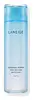
This hydrating toner is formulated around Panthenol and Niacinamide to hydrate skin and strengthen the skin barrier.
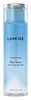
This hydrating toner is formulated around Glycereth-26 and Beta-Glucan to hydrate skin and strengthen the skin barrier.

What's inside
What's inside
 Key Ingredients
Benefits
Concerns
Ingredients Side-by-side
Water
Skin ConditioningButylene Glycol
Humectant

Propanediol
Solvent
Glycerin
Humectant
1,2-Hexanediol
Skin Conditioning
Betaine
Humectant
Glyceryl Polymethacrylate
Panthenol
Skin Conditioning
PPG-13-Decyltetradeceth-24
EmulsifyingNiacinamide
Smoothing







Caprylic/Capric Triglyceride
Masking
Acrylates/C10-30 Alkyl Acrylate Crosspolymer
Emulsion StabilisingTromethamine
BufferingEthylhexylglycerin
Skin ConditioningParfum
Masking




Disodium EDTA
ChelatingSodium Polyacrylate
Absorbent
Magnesium Sulfate
Calcium Chloride
AstringentButylphenyl Methylpropional
Perfuming
Acorus Gramineus Extract
HumectantLimonene
Perfuming
Manganese Sulfate
Skin ConditioningCitronellol
Perfuming
Chenopodium Quinoa Seed Extract
Skin Conditioning
Zinc Sulfate
Antimicrobial
Tocopherol
Antioxidant

Ascorbyl Glucoside
Antioxidant
Water, Butylene Glycol, Propanediol, Glycerin, 1,2-Hexanediol, Betaine, Glyceryl Polymethacrylate, Panthenol, PPG-13-Decyltetradeceth-24, Niacinamide, Caprylic/Capric Triglyceride, Acrylates/C10-30 Alkyl Acrylate Crosspolymer, Tromethamine, Ethylhexylglycerin, Parfum, Disodium EDTA, Sodium Polyacrylate, Magnesium Sulfate, Calcium Chloride, Butylphenyl Methylpropional, Acorus Gramineus Extract, Limonene, Manganese Sulfate, Citronellol, Chenopodium Quinoa Seed Extract, Zinc Sulfate, Tocopherol, Ascorbyl Glucoside
Water
Skin ConditioningGlycereth-26
Humectant
Alcohol
Antimicrobial

Butylene Glycol
Humectant
PEG/PPG-17/6 Copolymer
SolventGlycogen
HumectantGlutamic Acid
Humectant
Lysine Hcl
Skin Conditioning
Magnesium Sulfate
Mannitol
Humectant
Manganese Sulfate
Skin ConditioningOpuntia Coccinellifera Fruit Extract
Skin ConditioningBeta-Glucan
Skin Conditioning
Betaine
Humectant
Serine
Masking
Sucrose
Humectant
Citrulline
Skin ConditioningAscorbyl Glucoside
Antioxidant
Alanine
Masking
Arginine
Masking
Betula Platyphylla Japonica Juice
Skin Conditioning
Zinc Sulfate
Antimicrobial
Calcium Chloride
AstringentChenopodium Quinoa Seed Extract
Skin Conditioning
Threonine
Panthenol
Skin Conditioning
PCA
Humectant
Histidine Hcl
Skin ConditioningGlycerin
Humectant
Bis-PEG-18 Methyl Ether Dimethyl Silane
EmollientEthylhexylglycerin
Skin ConditioningXanthan Gum
EmulsifyingPhenyl Trimethicone
Skin Conditioning
Propanediol
Solvent
PEG-60 Hydrogenated Castor Oil
Emulsifying

Hydroxyethyl Acrylate/Sodium Acryloyldimethyl Taurate Copolymer
Emulsion StabilisingDisodium EDTA
ChelatingPhenoxyethanol
Preservative
Parfum
Masking
Water, Glycereth-26, Alcohol, Butylene Glycol, PEG/PPG-17/6 Copolymer, Glycogen, Glutamic Acid, Lysine Hcl, Magnesium Sulfate, Mannitol, Manganese Sulfate, Opuntia Coccinellifera Fruit Extract, Beta-Glucan, Betaine, Serine, Sucrose, Citrulline, Ascorbyl Glucoside, Alanine, Arginine, Betula Platyphylla Japonica Juice, Zinc Sulfate, Calcium Chloride, Chenopodium Quinoa Seed Extract, Threonine, Panthenol, PCA, Histidine Hcl, Glycerin, Bis-PEG-18 Methyl Ether Dimethyl Silane, Ethylhexylglycerin, Xanthan Gum, Phenyl Trimethicone, Propanediol, PEG-60 Hydrogenated Castor Oil, Hydroxyethyl Acrylate/Sodium Acryloyldimethyl Taurate Copolymer, Disodium EDTA, Phenoxyethanol, Parfum
Ingredients Explained
These ingredients are found in both products.
Ingredients higher up in an ingredient list are typically present in a larger amount.
Ascorbyl Glucoside (AA-2G) is one of the most stable vitamin C derivatives out there.
It's made by attaching a glucose molecule to ascorbic acid; this glucose "cap" shields the vitamin C from air, light, heat, and metal ions that normally cause pure ascorbic acid to oxidize.
Once on your skin, the enzyme alpha-glucosidase snips off the glucose and gradually releases active ascorbic acid right where it's needed. Basically, it behaves like a slow-release pro-vitamin C with less of a stinging that high-strength ascorbic acid can cause.
The research supports the classic vitamin C benefits as well. In lab and human studies, AA-2G slowed down the skin's production of melanin (the pigment behind dark spots) and helped shield skin cells against sun damage better than ascorbyl phosphate.
These studies also showed AA-2G released vitamin C over a longer period.
A frequently cited manufacturer trial found that a 2% AA-2G face cream significantly improved wrinkle depth and skin roughness after 45 days.
And in 2009, a clinical trial showed it meaningfully lightened dark patches on the gums compared to a placebo.
There's also collagen-synthesis support (since vitamin C is a required cofactor for that) and an antioxidant effect too.
Typical usage is usually between 0.5-5% and most studies/products land around 2%.
AA-2G performs best when formulated at a mildly acidic pH (~5-7) which is much gentler than the pH that pure vitamin C demands (~2.5-3.5).
Just one thing worth knowing: the in-skin conversation rate is only about 55-60% by weight. So a 5% AA-2G product delivers roughly 2.75-3% of actual active vitamin C. On top of that, skin absorption is relatively low because the ingredient is water-soluble.
Learn more about Ascorbyl GlucosideBetaine is a humectant. Like hyaluronic acid, it helps attract and retain moisture in the skin. It’s known for being gentle and for helping the skin maintain balanced hydration.
Betaine is mainly used to improve hydration and support calmer skin. It helps skin cells regulate water balance because it functions as an osmolyte.
Some studies suggest betaine may support making skin tone more even.
Fun fact: Betaine naturally exists in the skin and the body. In cosmetic products, it can be either plant-derived (most commonly from sugar beets) or synthetically produced for consistency and stability.
Betaine is also known as trimethylglycine.
Learn more about BetaineButylene Glycol (or BG) is used within cosmetic products for a few different reasons:
Overall, Butylene Glycol is a safe and well-rounded ingredient that works well with other ingredients.
Though this ingredient works well with most skin types, some people with sensitive skin may experience a reaction such as allergic rashes, closed comedones, or itchiness.
Learn more about Butylene GlycolCalcium chloride is a white, odorless, crystalline solid. It is an astringent and can be used to change the viscosity of products.
This ingredient is highly soluble in water, acetic acid, and ethanol.
There are many forms of this ingredient, including monohydrate, dihydrate, tetrahydrate, and hexahydrate.
Learn more about Calcium ChlorideThis ingredient is derived from the seeds of the quinoa plant. In skincare, it pulls double duty as a skin conditioning and antioxidant agent.
The key bioactives in this ingredient are hytoecdysteroids (especially 20-hydroxyecdysone), polyphenols, proteins, and essential amino acids like lysine and methionine.
20-Hydroxyecdysone has been shown to helps skin cells mature properly, makes skin thicker and firmer, and slows down the enzymes that break down collagen.
On the anti-aging front, quinoa's active compounds have been shown in lab studies to block the enzymes that break down collagen at pretty low concentrations. They also help reduce free radical damage so you're getting antioxidant protection too.
Quinoa extract helps the skin onto moisture better by boosting the production of two key proteins that keep the skin barrier intact.
And the cool part is that this ingredient is effective at concentrations anywhere from 0.001-5% in a finished product.
Overall, this is a well-tolerated and low-irritation ingredient with research backing its claims.
Learn more about Chenopodium Quinoa Seed ExtractDisodium EDTA is a chelating agent. It grabs onto and deactivates metal ions that sneak into your products from water, packaging, or air.
This ingredient mainly works behind the scenes and helps with:
On top of that, this ingredient can counteract the effects of hard water by binding to the minerals in it.
One thing worth knowing is that Disodium EDTA has been shown to be a mild penetration enhancer. It can help other ingredients absorb into skin more effectively which can be a double-edged sword (great for actives, but can also make the active too strong if you have sensitive skin).
Clinical patch testing showed no significant skin irritation at typical use concentrations and minimal dermal absorption.
You'll most likely see this ingredient near the end of an ingredient list. It's typically found in concentrations less than 1%.
Learn more about Disodium EDTAEthylhexylglycerin is created from glycerin. It is a multitasker ingredient that:
The CIR Expert Panel found minimal skin absorption or sensitization of any kind in a safety assessment. Though this ingredient is considered well-tolerated, a small number of cases of allergic dermatitis have been published since 2002. Just be sure to patch test if you are unsure.
Industry-reported use ranges from 8% in rinse-off products and 2% in leave-on formulations.
Learn more about EthylhexylglycerinGlycerin (or glycerol) is a compound naturally found in your skin. It's a powerhouse humectant that pulls water into the stratum corneum.
Topically, glycerin does several things at once:
Your skin makes glycerin on its own (mostly from sebaceous oil breakdown) and shuttles it to your outermost layer of skin, or your epidermis, via aquaporin-3.
Aquaporin-3 is a transporter that is essential for normal skin hydration, elasticity, and repair. Interestingly, mice lacking in AQP3 have dry and less elastic skin that can be fully corrected with glycerin.
This ingredient is non-irritating, plays well with almost every ingredient, and works across all skin types. Typical use is anywhere between 3-10% but can go up to 79% in some leave-on products.
Just know very high concentrations (>40%) can feel tacky in low humidity.
Glycerin is the name for this ingredient in American English. British English uses Glycerol/Glycerine.
Learn more about GlycerinMagnesium Sulfate is a salt. More specifically, it is an epsom salt, or the bath salt used to help relieve muscle aches.
Despite having ‘sulfate’ in the name, it isn’t a surfactant or cleansing agent like sodium lauryl sulfate. Unlike those sulfates, magnesium sulfate doesn’t have the same cleansing or foaming properties (it's simply a type of salt).
In cosmetics, Magnesium Sulfate is used to thicken a product or help dilute other solids. It is a non-reactive and non-irritating ingredient.
One study shows magnesium deficiency may lead to inflammation of the skin. Applying magnesium topically may help reduce inflammation.
You can find this ingredient in sea water or mineral deposits.
Learn more about Magnesium SulfateWe don't have a description for Manganese Sulfate yet.
Panthenol is a common ingredient that helps hydrate and soothe the skin. It is found naturally in our skin and hair.
There are two forms of panthenol: D and L.
D-panthenol is also known as dexpanthenol. Most cosmetics use dexpanthenol or a mixture of D and L-panthenol.
Panthenol is famous due to its ability to go deeper into the skin's layers. Using this ingredient has numerous pros (and no cons):
Like hyaluronic acid, panthenol is a humectant. Humectants are able to bind and hold large amounts of water to keep skin hydrated.
This ingredient works well for wound healing. It works by increasing tissue in the wound and helps close open wounds.
Once oxidized, panthenol converts to pantothenic acid. Panthothenic acid is found in all living cells.
This ingredient is also referred to as pro-vitamin B5.
Learn more about PanthenolParfum is a catch-all term for an ingredient or more that is used to give a scent to products.
Also called "fragrance", this ingredient can be a blend of hundreds of chemicals or plant oils. This means every product with "fragrance" or "parfum" in the ingredients list is a different mixture.
For instance, Habanolide is a proprietary trade name for a specific aroma chemical. When used as a fragrance ingredient in cosmetics, most aroma chemicals fall under the broad labeling category of “FRAGRANCE” or “PARFUM” according to EU and US regulations.
The term 'parfum' or 'fragrance' is not regulated in many countries. In many cases, it is up to the brand to define this term.
For instance, many brands choose to label themselves as "fragrance-free" because they are not using synthetic fragrances. However, their products may still contain ingredients such as essential oils that are considered a fragrance by INCI standards.
One example is Calendula flower extract. Calendula is an essential oil that still imparts a scent or 'fragrance'.
Depending on the blend, the ingredients in the mixture can cause allergies and sensitivities on the skin. Some ingredients that are known EU allergens include linalool and citronellol.
Parfum can also be used to mask or cover an unpleasant scent.
The bottom line is: not all fragrances/parfum/ingredients are created equally. If you are worried about fragrances, we recommend taking a closer look at an ingredient. And of course, we always recommend speaking with a professional.
Learn more about ParfumPropanediol is an all-star ingredient. It softens, hydrates, and smooths the skin.
It’s often used to:
Propanediol is not likely to cause sensitivity and considered safe to use. It is derived from corn or petroleum with a clear color and no scent.
Learn more about PropanediolWater. It's the most common cosmetic ingredient of all. You'll usually see it at the top of ingredient lists, meaning that it makes up the largest part of the product.
So why is it so popular? Water most often acts as a solvent - this means that it helps dissolve other ingredients into the formulation.
You'll also recognize water as that liquid we all need to stay alive. If you see this, drink a glass of water. Remember to stay hydrated!
Learn more about WaterZinc Sulfate has antimicrobial and astringent properties. It is created synthetically from zinc and sulfuric acid.
Despite having ‘sulfate’ in the name, it isn’t a surfactant or cleansing agent like sodium lauryl sulfate. Unlike those sulfates, zinc sulfate doesn’t have the same cleansing or foaming properties.


