

What's inside
What's inside
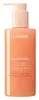 Key Ingredients
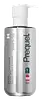
Benefits
Concerns
Ingredients Side-by-side
Water
Skin ConditioningGlycerin
Humectant


Caprylyl/Capryl Glucoside
CleansingDisodium Cocoamphodiacetate
CleansingLauryl Betaine
CleansingDisodium Laureth Sulfosuccinate
CleansingAcrylates Copolymer
Sodium Cocoyl Alaninate
Surfactant
Sodium Chloride
MaskingNiacinamide
Smoothing









Oryza Sativa Bran Water
Masking
1,2-Hexanediol
Skin Conditioning
Inositol
Humectant
Zea Mays Starch
Absorbent
Mannitol
Humectant
PEG-45m
HumectantPolyquaternium-7
Microcrystalline Cellulose
AbsorbentKaolin
Abrasive
Butylene Glycol
Humectant
Hydroxypropyl Starch Phosphate
Ceramide NP
Skin Conditioning
Hydrolyzed Extensin
Skin ConditioningDextrin
AbsorbentPentylene Glycol
Skin Conditioning
Sodium Benzoate
Masking
Hydrogenated Lecithin
Emulsifying
Ethylhexylglycerin
Skin ConditioningSilica
Abrasive
Polyglyceryl-2 Triisostearate
Emulsifying
CI 77891
Cosmetic ColorantCitrus Aurantium Amara Flower Extract
RefreshingCyclodextrin
AbsorbentCI 77491
Cosmetic ColorantGlycolic Acid
Buffering

Protease
Exfoliating
Tocopherol
Antioxidant

Monascus/Rice Ferment
Antioxidant
Oryza Sativa Powder
CI 77499
Cosmetic ColorantWater, Glycerin, Caprylyl/Capryl Glucoside, Disodium Cocoamphodiacetate, Lauryl Betaine, Disodium Laureth Sulfosuccinate, Acrylates Copolymer, Sodium Cocoyl Alaninate, Sodium Chloride, Niacinamide, Oryza Sativa Bran Water, 1,2-Hexanediol, Inositol, Zea Mays Starch, Mannitol, PEG-45m, Polyquaternium-7, Microcrystalline Cellulose, Kaolin, Butylene Glycol, Hydroxypropyl Starch Phosphate, Ceramide NP, Hydrolyzed Extensin, Dextrin, Pentylene Glycol, Sodium Benzoate, Hydrogenated Lecithin, Ethylhexylglycerin, Silica, Polyglyceryl-2 Triisostearate, CI 77891, Citrus Aurantium Amara Flower Extract, Cyclodextrin, CI 77491, Glycolic Acid, Protease, Tocopherol, Monascus/Rice Ferment, Oryza Sativa Powder, CI 77499
Glycerin 50%
Humectant
Water
Skin ConditioningCocamidopropyl Betaine
Cleansing
Disodium Cocoamphodiacetate
CleansingSodium Chloride
MaskingInulin
Skin Conditioning
Dihydroxypropyl Arginine Hcl
HumectantAloe Barbadensis Leaf Juice
Skin Conditioning
Avena Sativa Kernel Flour
Abrasive
Glyceryl Glucoside
Humectant
Polyquaternium-10
Citric Acid
Buffering
Ethylhexylglycerin
Skin ConditioningPhenoxyethanol
Preservative
Hydroxyethylcellulose
Emulsion StabilisingTetrasodium Glutamate Diacetate
Lecithin
Emollient
Xanthan Gum
EmulsifyingPentylene Glycol
Skin Conditioning
Sodium Hydroxide
BufferingGlycerin 50%, Water, Cocamidopropyl Betaine, Disodium Cocoamphodiacetate, Sodium Chloride, Inulin, Dihydroxypropyl Arginine Hcl, Aloe Barbadensis Leaf Juice, Avena Sativa Kernel Flour, Glyceryl Glucoside, Polyquaternium-10, Citric Acid, Ethylhexylglycerin, Phenoxyethanol, Hydroxyethylcellulose, Tetrasodium Glutamate Diacetate, Lecithin, Xanthan Gum, Pentylene Glycol, Sodium Hydroxide
Reviews
Ingredients Explained
These ingredients are found in both products.
Ingredients higher up in an ingredient list are typically present in a larger amount.
Disodium Cocoamphodiacetate is a surfactant and helps cleanse skin. It is created from the fatty acids of coconut oil.
Surfactants help rinse oil, dirt, and other pollutants easily from skin. It has a faint fruit-like scent.
Ethylhexylglycerin is created from glycerin. It is a multitasker ingredient that:
The CIR Expert Panel found minimal skin absorption or sensitization of any kind in a safety assessment. Though this ingredient is considered well-tolerated, a small number of cases of allergic dermatitis have been published since 2002. Just be sure to patch test if you are unsure.
Industry-reported use ranges from 8% in rinse-off products and 2% in leave-on formulations.
Learn more about EthylhexylglycerinGlycerin (or glycerol) is a compound naturally found in your skin. It's a powerhouse humectant that pulls water into the stratum corneum.
Topically, glycerin does several things at once:
Your skin makes glycerin on its own (mostly from sebaceous oil breakdown) and shuttles it to your outermost layer of skin, or your epidermis, via aquaporin-3.
Aquaporin-3 is a transporter that is essential for normal skin hydration, elasticity, and repair. Interestingly, mice lacking in AQP3 have dry and less elastic skin that can be fully corrected with glycerin.
This ingredient is non-irritating, plays well with almost every ingredient, and works across all skin types. Typical use is anywhere between 3-10% but can go up to 79% in some leave-on products.
Just know very high concentrations (>40%) can feel tacky in low humidity.
Glycerin is the name for this ingredient in American English. British English uses Glycerol/Glycerine.
Learn more about GlycerinPentylene glycol is typically used within a product to thicken it. It also adds a smooth, soft, and moisturizing feel to the product. It is naturally found in plants such as sugar beets.
The hydrophilic trait of Pentylene Glycol makes it a humectant. As a humectant, Pentylene Glycol helps draw moisture from the air to your skin. This can help keep your skin hydrated.
This property also makes Pentylene Glycol a great texture enhancer. It can also help thicken or stabilize a product.
Pentylene Glycol also acts as a mild preservative and helps to keep a product microbe-free.
Some people may experience mild eye and skin irritation from Pentylene Glycol. We always recommend speaking with a professional about using this ingredient in your routine.
Pentylene Glycol has a low molecular weight and is part of the 1,2-glycol family.
Learn more about Pentylene GlycolChances are, you eat sodium chloride every day. Sodium Chloride is also known as table salt. This ingredient has many purposes in skincare: thickener, emulsifier, and exfoliator.
You'll most likely find this ingredient in cleansers where it is used to create a gel-like texture. As an emulsifier, it also prevents ingredients from separating.
You might see people debate whether Sodium Chloride is comedogenic, but there actually haven't been any comedogenic tests done on it. Either way, the overall formulation of a product matters a lot more than any single ingredient.
You might see this ingredient used in scrubs as a primary exfoliating ingredient.
Learn more about Sodium ChlorideWater. It's the most common cosmetic ingredient of all. You'll usually see it at the top of ingredient lists, meaning that it makes up the largest part of the product.
So why is it so popular? Water most often acts as a solvent - this means that it helps dissolve other ingredients into the formulation.
You'll also recognize water as that liquid we all need to stay alive. If you see this, drink a glass of water. Remember to stay hydrated!
Learn more about Water
