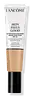
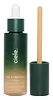
Lancôme Skin Feels Good Tinted Moisturizer with SPF 23 Versus ciele. Tint & Protect SPF 50+ Tinted Serum


What's inside
What's inside
 Key Ingredients
Benefits
Concerns
Ingredients Side-by-side
Water
Skin ConditioningGlycerin
Humectant


Caprylyl Methicone
Skin Conditioning
Ethylhexyl Methoxycinnamate
UV Absorber


Propanediol
Solvent
Dimethicone
Emollient
Rosa Gallica Flower Extract
AstringentSorbitol
Humectant
Triethoxysilylethyl Polydimethylsiloxyethyl Dimethicone
Skin Conditioning
Dimethicone/PEG-10/15 Crosspolymer
Sodium Chloride
MaskingSodium Citrate
BufferingSodium Hyaluronate
Humectant


Moringa Oleifera Seed Extract
Skin Conditioning
Alumina
Abrasive
Disodium EDTA
ChelatingDisodium Phosphate
BufferingIsopropyl Titanium Triisostearate
Emollient

Propylene Glycol
Humectant
Dipropylene Glycol
HumectantCitric Acid
Buffering

BHT
Antioxidant
Tocopherol
Antioxidant

Phenoxyethanol
Preservative
Chlorphenesin
Antimicrobial
Parfum
Masking

Iron Oxides
CI 77891
Cosmetic ColorantWater, Glycerin, Caprylyl Methicone, Ethylhexyl Methoxycinnamate, Propanediol, Dimethicone, Rosa Gallica Flower Extract, Sorbitol, Triethoxysilylethyl Polydimethylsiloxyethyl Dimethicone, Dimethicone/PEG-10/15 Crosspolymer, Sodium Chloride, Sodium Citrate, Sodium Hyaluronate, Moringa Oleifera Seed Extract, Alumina, Disodium EDTA, Disodium Phosphate, Isopropyl Titanium Triisostearate, Propylene Glycol, Dipropylene Glycol, Citric Acid, BHT, Tocopherol, Phenoxyethanol, Chlorphenesin, Parfum, Iron Oxides, CI 77891
Zinc Oxide 12%
Cosmetic Colorant
Water
Skin ConditioningC12-15 Alkyl Benzoate
AntimicrobialButyloctyl Salicylate
Skin Conditioning
Lauryl PEG-8 Dimethicone
Surfactant
Titanium Dioxide
Cosmetic Colorant
CI 77891
Cosmetic ColorantIsododecane
EmollientPropanediol
Solvent
Iron Oxides
CI 77492
Cosmetic ColorantDimethicone
Emollient
Niacinamide
Smoothing



Polymethylsilsesquioxane
Isohexadecane
EmollientTrilaureth-4 Phosphate
EmulsifyingDimethiconol
Emollient
Caprylyl Methicone
Skin Conditioning
Mica
Cosmetic ColorantOctyldodecyl Neopentanoate
EmollientLauryl PEG-10 Tris(Trimethylsiloxy)Silylethyl Dimethicone
Emulsifying
Sodium Chloride
MaskingPhenoxyethanol
Preservative
Bisabolol
Antioxidant
CI 77491
Cosmetic ColorantDisteardimonium Hectorite
StabilisingCI 77499
Cosmetic ColorantCaprylyl Glycol
Emollient
Allantoin
Skin Conditioning
Polyglyceryl-4 Diisostearate/Polyhydroxystearate/Sebacate
Emulsifying
Aluminum Hydroxide
EmollientHydrogenated Lecithin
Emulsifying
Ethylhexylglycerin
Skin ConditioningHexylene Glycol
EmulsifyingPropylene Carbonate
SolventPEG-10
HumectantZinc Oxide 12%, Water, C12-15 Alkyl Benzoate, Butyloctyl Salicylate, Lauryl PEG-8 Dimethicone, Titanium Dioxide, CI 77891, Isododecane, Propanediol, Iron Oxides, CI 77492, Dimethicone, Niacinamide, Polymethylsilsesquioxane, Isohexadecane, Trilaureth-4 Phosphate, Dimethiconol, Caprylyl Methicone, Mica, Octyldodecyl Neopentanoate, Lauryl PEG-10 Tris(Trimethylsiloxy)Silylethyl Dimethicone, Sodium Chloride, Phenoxyethanol, Bisabolol, CI 77491, Disteardimonium Hectorite, CI 77499, Caprylyl Glycol, Allantoin, Polyglyceryl-4 Diisostearate/Polyhydroxystearate/Sebacate, Aluminum Hydroxide, Hydrogenated Lecithin, Ethylhexylglycerin, Hexylene Glycol, Propylene Carbonate, PEG-10
Reviews
Ingredients Explained
These ingredients are found in both products.
Ingredients higher up in an ingredient list are typically present in a larger amount.
Caprylyl Methicone is a synthetic and lightweight silicone fluid. It gives products a silky, dry-touch finish without the heaviness of pure oils.
Though the EU CosIng Database lists this ingredient as a skin conditioner, it is also used for sensory reasons. It spreads easily, cuts greasiness, and reduces tackiness.
This ingredient is volatile which means it will mostly evaporate (but it evaporates slower than older cyclomethicones, like Cyclotetrasiloxane).
Typical concentration ranges from 1-30% depending on if it's being used to tweak the feel of a product or acting as the main emollient.
Learn more about Caprylyl MethiconeCi 77891 is a white pigment from Titanium dioxide. It is naturally found in minerals such as rutile and ilmenite.
It's main function is to add a white color to cosmetics. It can also be mixed with other colors to create different shades.
Ci 77891 is commonly found in sunscreens due to its ability to block UV rays.
Learn more about CI 77891Dimethicone is a type of synthetic silicone created from natural materials such as quartz. It is also known as polydimethylsiloxane.
What it does:
Dimethicone comes in different viscosities:
Depending on the viscosity, dimethicone has different properties.
Ingredients lists don't always show which type is used, so we recommend reaching out to the brand if you have questions about the viscosity.
This ingredient is unlikely to cause irritation because it does not get absorbed into skin. However, people with silicone allergies should be careful about using this ingredient.
Note: Dimethicone may contribute to pilling. This is because it is not oil or water soluble, so pilling may occur when layered with products. When mixed with heavy oils in a formula, the outcome is also quite greasy.
Learn more about DimethiconePhenoxyethanol is one of the most widely used preservatives in skincare (and for good reason!).
It has a large spectrum of antimicrobial activity and especially effective bacteria, yeast, and mold while only having a weak effect on your skin's natural microbiome.
On a cellular level, it disrupts the cell membranes of microbes by poking holes that make the cell leak. This shuts down the chemical reactions the microbe needs to make energy so it can no longer survive.
Another perk of this ingredient is that it stays functional across a wide pH range (3-10).
You'll often see it paired with boosters like Ethylhexylglycerin; one study showed that a 1:9 ratio of Ethylhexylglycerin to Phenoxyethanol damages bacterial membranes as effectively as doubling the Phenoxyethanol concentration on its own.
Typical use concentrations range from 0.3-1% depending on the formula, and this ingredient is capped at 1% int the EU.
Safety-wise, the fear mongering does not hold up to the evidence. The EU's Scientific Committee on Consumer Safety and FDA consider it safe as a preservative at up to 1%, including for children of all ages.
Adverse systemic effects only showed up in animal studies at exposures roughly 200x higher than what people get from cosmetics. And despite its very widespread use, this ingredient is a rare sensitizer and allergic reactions are uncommon.
Learn more about PhenoxyethanolPropanediol is an all-star ingredient. It softens, hydrates, and smooths the skin.
It’s often used to:
Propanediol is not likely to cause sensitivity and considered safe to use. It is derived from corn or petroleum with a clear color and no scent.
Learn more about PropanediolChances are, you eat sodium chloride every day. Sodium Chloride is also known as table salt. This ingredient has many purposes in skincare: thickener, emulsifier, and exfoliator.
You'll most likely find this ingredient in cleansers where it is used to create a gel-like texture. As an emulsifier, it also prevents ingredients from separating.
You might see people debate whether Sodium Chloride is comedogenic, but there actually haven't been any comedogenic tests done on it. Either way, the overall formulation of a product matters a lot more than any single ingredient.
You might see this ingredient used in scrubs as a primary exfoliating ingredient.
Learn more about Sodium ChlorideWater. It's the most common cosmetic ingredient of all. You'll usually see it at the top of ingredient lists, meaning that it makes up the largest part of the product.
So why is it so popular? Water most often acts as a solvent - this means that it helps dissolve other ingredients into the formulation.
You'll also recognize water as that liquid we all need to stay alive. If you see this, drink a glass of water. Remember to stay hydrated!
Learn more about WaterThis ingredient is a combination of red, black, and yellow iron oxide pigments. This combination of colors is usually found in foundation, because it results in a "skin" color.
The EU typically uses CI numbers for colorants when applicable, such as CI 77489. In the US, iron oxides are regulated as color additives and "iron oxides" is the most commonly used name in US cosmetic practice.
A 2021 paper looked at skincare formulations containing iron oxides and found that they reduced transmission of blue light when measured optically. In simple terms, the pigment particles helped block or scatter part of the visible light spectrum in lab testing and the authors suggest this could translate into better protection against blue-light-related skin effects.
There is also clinical and experimental research showing that tinted products containing iron oxides can reduce visible light-induced pigmentation:
Please note, whether a product reduces visible or blue light depends on things like:
In the EU's CosIng database, iron oxides are only listed as a colorant. CosIng groups ingredients by their main cosmetic role, such as colorant, preservative, or UV filter.
Though studies say iron oxides can "attenuate blue light", they're describing an optical property and not an officially recognized cosmetic function.
So CosIng isn’t contradicting the research. It’s just classifying iron oxides by what they officially are: pigments that add color.
Learn more about Iron Oxides

