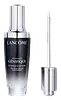
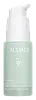
Lancôme Advanced Génifique Youth Activating Concentrate Versus Caudalie Vinopure Natural Salicylic Acid Pore Minimizing Serum
This anti-aging serum is formulated around Bifida Ferment Lysate and Ascorbyl Glucoside to soften the look of wrinkles and strengthen the skin barrier.
This pore-care serum is formulated around Rosa Damascena Flower Water and Niacinamide to refine the look of pores and clear breakouts.

What's inside
What's inside
 Key Ingredients
Benefits
Concerns
Ingredients Side-by-side
Water
Skin ConditioningBifida Ferment Lysate
Skin Conditioning



Glycerin
Humectant
Alcohol Denat.
Antimicrobial




Dimethicone
Emollient
Hydroxyethylpiperazine Ethane Sulfonic Acid
BufferingAscorbyl Glucoside
Antioxidant



Sodium Hyaluronate
Humectant
Sodium Hydroxide
BufferingSodium Benzoate
Masking
Phenoxyethanol
Preservative
Adenosine
Skin Conditioning
Yeast Extract
Skin ConditioningPEG-20 Methyl Glucose Sesquistearate
Emulsifying
PEG-60 Hydrogenated Castor Oil
Emulsifying
Salicyloyl Phytosphingosine
Skin ConditioningAmmonium Polyacryloyldimethyl Taurate
Emulsion StabilisingLimonene
Perfuming

Xanthan Gum
EmulsifyingCaprylyl Glycol
Emollient
Disodium EDTA
Octyldodecanol
Emollient
Citronellol
Perfuming
Parfum
Masking
Water, Bifida Ferment Lysate, Glycerin, Alcohol Denat., Dimethicone, Hydroxyethylpiperazine Ethane Sulfonic Acid, Ascorbyl Glucoside, Sodium Hyaluronate, Sodium Hydroxide, Sodium Benzoate, Phenoxyethanol, Adenosine, Yeast Extract, PEG-20 Methyl Glucose Sesquistearate, PEG-60 Hydrogenated Castor Oil, Salicyloyl Phytosphingosine, Ammonium Polyacryloyldimethyl Taurate, Limonene, Xanthan Gum, Caprylyl Glycol, Disodium EDTA, Octyldodecanol, Citronellol, Parfum
Water
Skin ConditioningRosa Damascena Flower Water
Masking
Alcohol
Antimicrobial
Niacinamide
Smoothing





Butylene Glycol
Humectant
Palmitoyl Grape Seed Extract
Skin ConditioningXanthan Gum
EmulsifyingSalicylic Acid
Masking
Sodium Hyaluronate
Humectant
Tocopherol
Antioxidant
Pelargonium Graveolens Flower Oil
Masking
Sodium Hydroxide
BufferingMentha Piperita Oil
Masking
Citral
Perfuming
Cymbopogon Citratus Leaf Oil
Masking
Rosmarinus Officinalis Leaf Oil
Masking
Citronellol
Perfuming
Geraniol
Perfuming
Sodium Phytate
Linalool
Perfuming
Lavandula Hybrida Oil
Emollient
Melissa Officinalis Leaf Oil
Masking
Limonene
Perfuming
Water, Rosa Damascena Flower Water, Alcohol, Niacinamide, Butylene Glycol, Palmitoyl Grape Seed Extract, Xanthan Gum, Salicylic Acid, Sodium Hyaluronate, Tocopherol, Pelargonium Graveolens Flower Oil, Sodium Hydroxide, Mentha Piperita Oil, Citral, Cymbopogon Citratus Leaf Oil, Rosmarinus Officinalis Leaf Oil, Citronellol, Geraniol, Sodium Phytate, Linalool, Lavandula Hybrida Oil, Melissa Officinalis Leaf Oil, Limonene
Reviews
Ingredients Explained
These ingredients are found in both products.
Ingredients higher up in an ingredient list are typically present in a larger amount.
Citronellol is used to add fragrance/parfum to a product. It is often derived from plants such as roses. In fact, it can be found in many essential oils including geranium, lavender, neroli, and more. The scent of Citronellol is often described as "fresh, grassy, and citrus-like".
Since the Citronellol molecule is already unstable, Citronellol becomes irritating on the skin when exposed to air.
Citronellol is a modified terpene. Terpenes are unsaturated hydrocarbons found in plants. They make up the primary part of essential oils.
Citronellol is not able to be absorbed into deeper layers of the skin. It has low permeability,
Citronellol is also a natural insect repellent.
Learn more about CitronellolLimonene is a fragrance that adds scent and taste to a formulation.
It's found in the peel oil of citrus fruits and other plants such as lavender and eucalyptus. The scent of limonene is generally described as "sweet citrus".
Limonene acts as an antioxidant, meaning it helps neutralize free radicals.
When exposed to air, oxidized limonene may sensitize the skin. Because of this, limonene is often avoided by people with sensitive skin.
The term 'fragrance' is not regulated in many countries. In many cases, it is up to the brand to define this term. For instance, many brands choose to label themselves as "fragrance-free" because they are not using synthetic fragrances. However, their products may still contain ingredients such as essential oils that are considered a fragrance.
Learn more about LimoneneSodium Hyaluronate is the salt form of hyaluronic acid. It is a long sugar chain that is naturally found in your skin, joints, and connective tissue that maintains hydration and elasticity.
In skincare, it works as a humectant. It pulls water from the environment and deeper layers of skin and binds it to the surface.
Interestingly, the size of the molecule affects its behavior:
Some clinical evidence links low molecular weight versions to improved wrinkle depth, elasticity, anti-inflammatory effects, and barrier repair.
Many serums use a blend of both weights so you can get surface hydration plus longer-lasting and deeper effects.
You'll typically see concentrations between 0.1-2% for this ingredient.
Learn more about Sodium HyaluronateSodium Hydroxide is also known as lye or caustic soda. It is used to adjust the pH of products; many ingredients require a specific pH to be effective.
In small amounts, sodium hydroxide is considered safe to use. However, large amounts may cause chemical burns due to its high alkaline.
Your skin has a natural pH and acid mantle. This acid mantle helps prevent harmful bacteria from breaking through. The acid mantle also helps keep your skin hydrated.
"Alkaline" refers to a high pH level. A low pH level would be considered acidic.
Learn more about Sodium HydroxideWater. It's the most common cosmetic ingredient of all. You'll usually see it at the top of ingredient lists, meaning that it makes up the largest part of the product.
So why is it so popular? Water most often acts as a solvent - this means that it helps dissolve other ingredients into the formulation.
You'll also recognize water as that liquid we all need to stay alive. If you see this, drink a glass of water. Remember to stay hydrated!
Learn more about WaterXanthan gum is used as a stabilizer and thickener within cosmetic products. It helps give products a sticky, thick feeling - preventing them from being too runny.
On the technical side of things, xanthan gum is a polysaccharide - a combination consisting of multiple sugar molecules bonded together.
Xanthan gum is a pretty common and great ingredient. It is a natural, non-toxic, non-irritating ingredient that is also commonly used in food products.
Learn more about Xanthan Gum

