This mild foaming makeup remover is made to dissolve makeup, sunscreen, and daily buildup.


What's inside
What's inside
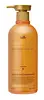 Key Ingredients
No key ingredients
Benefits
Concerns
Ingredients Side-by-side
Water
Skin ConditioningSodium C14-16 Olefin Sulfonate
Cleansing

Coco-Betaine
Cleansing
Glycerin
Humectant


Butylene Glycol
Humectant
Decyl Glucoside
Cleansing
Cocamide Mea
Emulsifying
Methylpropanediol
SolventVincetoxicum Atratum Extract
Skin ConditioningGuar Hydroxypropyltrimonium Chloride
Skin ConditioningPanthenol
Skin Conditioning

Salicylic Acid
Masking








Citric Acid
Buffering
Disodium EDTA
ChelatingNiacinamide
Smoothing


Caprylhydroxamic Acid
ChelatingEthylhexylglycerin
Skin ConditioningArginine
Masking
Leucine
Skin ConditioningTryptophan
MaskingLysine
Skin ConditioningIsoleucine
Skin ConditioningThreonine
Methionine
Skin ConditioningHistidine
Humectant
Asparagine
MaskingAlanine
Masking
Proline
Skin Conditioning
Glutamic Acid
Humectant
Glutamine
Skin ConditioningValine
MaskingPhenylalanine
Masking
Aspartic Acid
Masking
Tyrosine
MaskingSerine
Masking
Cystine
MaskingRehmannia Chinensis Root Extract
Skin ConditioningCornus Officinalis Fruit Extract
Skin ConditioningDioscorea Japonica Root Extract
Skin Conditioning
Alisma Orientale Tuber Extract
Skin ConditioningPoria Cocos Sclerotium Extract
AstringentPaeonia Suffruticosa Extract
Skin ConditioningHamamelis Virginiana Leaf Extract
Skin Conditioning
Salvia Officinalis Leaf Extract
CleansingMelissa Officinalis Leaf Extract
Skin ConditioningMentha Piperita Extract
CleansingLavandula Angustifolia Extract
Skin Conditioning
Houttuynia Cordata Extract
Skin Conditioning
Eucalyptus Globulus Leaf Extract
Perfuming
Glycine Max Seed Extract
Skin ConditioningZingiber Officinale Root Extract
Masking
Curcuma Longa Root Extract
Antioxidant
Linalool
Perfuming
Geraniol
Perfuming
Parfum
Masking
Water, Sodium C14-16 Olefin Sulfonate, Coco-Betaine, Glycerin, Butylene Glycol, Decyl Glucoside, Cocamide Mea, Methylpropanediol, Vincetoxicum Atratum Extract, Guar Hydroxypropyltrimonium Chloride, Panthenol, Salicylic Acid, Citric Acid, Disodium EDTA, Niacinamide, Caprylhydroxamic Acid, Ethylhexylglycerin, Arginine, Leucine, Tryptophan, Lysine, Isoleucine, Threonine, Methionine, Histidine, Asparagine, Alanine, Proline, Glutamic Acid, Glutamine, Valine, Phenylalanine, Aspartic Acid, Tyrosine, Serine, Cystine, Rehmannia Chinensis Root Extract, Cornus Officinalis Fruit Extract, Dioscorea Japonica Root Extract, Alisma Orientale Tuber Extract, Poria Cocos Sclerotium Extract, Paeonia Suffruticosa Extract, Hamamelis Virginiana Leaf Extract, Salvia Officinalis Leaf Extract, Melissa Officinalis Leaf Extract, Mentha Piperita Extract, Lavandula Angustifolia Extract, Houttuynia Cordata Extract, Eucalyptus Globulus Leaf Extract, Glycine Max Seed Extract, Zingiber Officinale Root Extract, Curcuma Longa Root Extract, Linalool, Geraniol, Parfum


Reviews
Ingredients Explained
These ingredients are found in both products.
Ingredients higher up in an ingredient list are typically present in a larger amount.
Decyl Glucoside is a plant-derived surfactant and emulsion stabilizer. It is created by reacting glucose with the fatty acids from plants.
Like all surfactants, it works by lowering the surface tension between water and oil. This makes it so that dirt, sebum, and makeup can be lifted off your skin and rinsed away. It also produces a dense and creamy foam.
Because it has a neutral charge, it is compatible with a wide range of ingredients and stays stable across a broad pH range/water hardiness conditions.
Patch testing has shown it to have the lowest irritation potential among common cleansing surfactants (like SLS).
Typical use levels range from 5-20% in rinse-off cleansers.
One thing worth knowing: The American Contact Dermatitis Society named the parent family, alkyl glucosides, "Allergen of the Year" in 2017. The prevalence of allergy is pretty low but be sure to patch test if you've reacted to "gentle" or sulfate-free cleansers before.
This ingredient is fungal acne safe because the fatty alcohol portion of this ingredient is not within the C11-24 chain length that Malassezia can metabolize.
Learn more about Decyl GlucosideGlycerin (or glycerol) is a compound naturally found in your skin. It's a powerhouse humectant that pulls water into the stratum corneum.
Topically, glycerin does several things at once:
Your skin makes glycerin on its own (mostly from sebaceous oil breakdown) and shuttles it to your outermost layer of skin, or your epidermis, via aquaporin-3.
Aquaporin-3 is a transporter that is essential for normal skin hydration, elasticity, and repair. Interestingly, mice lacking in AQP3 have dry and less elastic skin that can be fully corrected with glycerin.
This ingredient is non-irritating, plays well with almost every ingredient, and works across all skin types. Typical use is anywhere between 3-10% but can go up to 79% in some leave-on products.
Just know very high concentrations (>40%) can feel tacky in low humidity.
Glycerin is the name for this ingredient in American English. British English uses Glycerol/Glycerine.
Learn more about GlycerinPanthenol is a common ingredient that helps hydrate and soothe the skin. It is found naturally in our skin and hair.
There are two forms of panthenol: D and L.
D-panthenol is also known as dexpanthenol. Most cosmetics use dexpanthenol or a mixture of D and L-panthenol.
Panthenol is famous due to its ability to go deeper into the skin's layers. Using this ingredient has numerous pros (and no cons):
Like hyaluronic acid, panthenol is a humectant. Humectants are able to bind and hold large amounts of water to keep skin hydrated.
This ingredient works well for wound healing. It works by increasing tissue in the wound and helps close open wounds.
Once oxidized, panthenol converts to pantothenic acid. Panthothenic acid is found in all living cells.
This ingredient is also referred to as pro-vitamin B5.
Learn more about PanthenolParfum is a catch-all term for an ingredient or more that is used to give a scent to products.
Also called "fragrance", this ingredient can be a blend of hundreds of chemicals or plant oils. This means every product with "fragrance" or "parfum" in the ingredients list is a different mixture.
For instance, Habanolide is a proprietary trade name for a specific aroma chemical. When used as a fragrance ingredient in cosmetics, most aroma chemicals fall under the broad labeling category of “FRAGRANCE” or “PARFUM” according to EU and US regulations.
The term 'parfum' or 'fragrance' is not regulated in many countries. In many cases, it is up to the brand to define this term.
For instance, many brands choose to label themselves as "fragrance-free" because they are not using synthetic fragrances. However, their products may still contain ingredients such as essential oils that are considered a fragrance by INCI standards.
One example is Calendula flower extract. Calendula is an essential oil that still imparts a scent or 'fragrance'.
Depending on the blend, the ingredients in the mixture can cause allergies and sensitivities on the skin. Some ingredients that are known EU allergens include linalool and citronellol.
Parfum can also be used to mask or cover an unpleasant scent.
The bottom line is: not all fragrances/parfum/ingredients are created equally. If you are worried about fragrances, we recommend taking a closer look at an ingredient. And of course, we always recommend speaking with a professional.
Learn more about ParfumWater. It's the most common cosmetic ingredient of all. You'll usually see it at the top of ingredient lists, meaning that it makes up the largest part of the product.
So why is it so popular? Water most often acts as a solvent - this means that it helps dissolve other ingredients into the formulation.
You'll also recognize water as that liquid we all need to stay alive. If you see this, drink a glass of water. Remember to stay hydrated!
Learn more about Water

