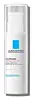
This calming moisturizer is formulated around Sphingomonas Ferment Extract and Acetyl Dipeptide-1 Cetyl Ester to calm redness.

What's inside
What's inside
 Key Ingredients
Benefits
Concerns
Ingredients Side-by-side
Water
Skin ConditioningGlycerin
Humectant


Isostearyl Neopentanoate
Emollient

Butylene Glycol
Humectant
Boron Nitride
Absorbent
Butyrospermum Parkii Butter
Skin Conditioning


CI 77891
Cosmetic ColorantPentylene Glycol
Skin Conditioning
Hydrogenated Coco-Glycerides
Emollient
Polysorbate 20
Emulsifying
Zea Mays Starch
Absorbent
Schisandra Sphenanthera Fruit Extract
Antioxidant
Tin Oxide
Abrasive
Sorbitan Oleate
Emulsifying
Glyceryl Acrylate/Acrylic Acid Copolymer
HumectantGlyceryl Stearate Citrate
Emollient
Isohexadecane
EmollientSphingomonas Ferment Extract
Skin Conditioning
Silica
Abrasive
Aluminum Hydroxide
EmollientMannitol
Humectant
Ammonium Polyacryloyldimethyl Taurate
Emulsion StabilisingHydrogenated Lecithin
Emulsifying
Caprylyl Glycol
Emollient
Citric Acid
Buffering

Trisodium Ethylenediamine Disuccinate
Acetyl Dipeptide-1 Cetyl Ester
Skin Conditioning


Maltodextrin
Absorbent
Polysorbate 80
Emulsifying
Acrylamide/Sodium Acryloyldimethyltaurate Copolymer
Emulsion StabilisingMica
Cosmetic ColorantCI 77288
Cosmetic ColorantCI 77491
Cosmetic ColorantCI 77492
Cosmetic ColorantCI 77499
Cosmetic ColorantWater, Glycerin, Isostearyl Neopentanoate, Butylene Glycol, Boron Nitride, Butyrospermum Parkii Butter, CI 77891, Pentylene Glycol, Hydrogenated Coco-Glycerides, Polysorbate 20, Zea Mays Starch, Schisandra Sphenanthera Fruit Extract, Tin Oxide, Sorbitan Oleate, Glyceryl Acrylate/Acrylic Acid Copolymer, Glyceryl Stearate Citrate, Isohexadecane, Sphingomonas Ferment Extract, Silica, Aluminum Hydroxide, Mannitol, Ammonium Polyacryloyldimethyl Taurate, Hydrogenated Lecithin, Caprylyl Glycol, Citric Acid, Trisodium Ethylenediamine Disuccinate, Acetyl Dipeptide-1 Cetyl Ester, Maltodextrin, Polysorbate 80, Acrylamide/Sodium Acryloyldimethyltaurate Copolymer, Mica, CI 77288, CI 77491, CI 77492, CI 77499
Water
Skin ConditioningDicaprylyl Carbonate
EmollientCI 77891
Cosmetic ColorantEthylhexyl Methoxycinnamate
UV Absorber


Hydrogenated Vegetable Oil
Emollient
Diethylamino Hydroxybenzoyl Hexyl Benzoate
UV Filter
Ethylhexyl Triazone
UV Absorber
Ethylhexyl Salicylate
UV Absorber
Dimethicone
Emollient
Nylon-12
C20-22 Alkyl Phosphate
EmulsifyingCI 77492
Cosmetic ColorantC20-22 Alcohols
Emulsion Stabilising
CI 77491
Cosmetic ColorantBis-Ethylhexyloxyphenol Methoxyphenyl Triazine
UV Absorber
Diglycerin
Humectant
Phenoxyethanol
Preservative
Decyl Glucoside
Cleansing
Triacontanyl Pvp
HumectantParfum
Masking

Chlorphenesin
Antimicrobial
Xanthan Gum
EmulsifyingMica
Cosmetic ColorantBrassica Campestris Sterols
EmollientO-Cymen-5-Ol
Antimicrobial
Tocopheryl Acetate
Antioxidant
Alumina
Abrasive
Sodium Hydroxide
BufferingTriethoxycaprylylsilane
Phytosphingosine
Skin Conditioning
Raspberry Seed Oil/Palm Oil Aminopropanediol Esters
Skin Conditioning
Silica
Abrasive
BHT
Antioxidant
Panax Ginseng Root Extract
Emollient
Tocopherol
Antioxidant
Maltodextrin
Absorbent
Tin Oxide
Abrasive
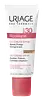
Water, Dicaprylyl Carbonate, CI 77891, Ethylhexyl Methoxycinnamate, Hydrogenated Vegetable Oil, Diethylamino Hydroxybenzoyl Hexyl Benzoate, Ethylhexyl Triazone, Ethylhexyl Salicylate, Dimethicone, Nylon-12, C20-22 Alkyl Phosphate, CI 77492, C20-22 Alcohols, CI 77491, Bis-Ethylhexyloxyphenol Methoxyphenyl Triazine, Diglycerin, Phenoxyethanol, Decyl Glucoside, Triacontanyl Pvp, Parfum, Chlorphenesin, Xanthan Gum, Mica, Brassica Campestris Sterols, O-Cymen-5-Ol, Tocopheryl Acetate, Alumina, Sodium Hydroxide, Triethoxycaprylylsilane, Phytosphingosine, Raspberry Seed Oil/Palm Oil Aminopropanediol Esters, Silica, BHT, Panax Ginseng Root Extract, Tocopherol, Maltodextrin, Tin Oxide
Reviews
Ingredients Explained
These ingredients are found in both products.
Ingredients higher up in an ingredient list are typically present in a larger amount.
Ci 77491 is also hydrated iron III oxide. It's sole purpose is to give a red/pink hue to products.
Iron III oxides are classified as inorganic chemicals for coloring.
Synthetically created Ci 77491 is considered safer than those naturally found. This is because the synthetically created version may contain less impurities. Iron oxides are generally non-toxic and non-allergenic.
Learn more about CI 77491CI 77492 is also hydrated iron III oxide. It's sole purpose is to give a yellow hue to products.
Iron III oxides are classified as inorganic chemicals for coloring.
Synthetically created CI 77492 is considered safer than those naturally found. This is because the synthetically created version may contain less impurities. Iron oxides are generally non-toxic and non-allergenic.
Learn more about CI 77492Ci 77891 is a white pigment from Titanium dioxide. It is naturally found in minerals such as rutile and ilmenite.
It's main function is to add a white color to cosmetics. It can also be mixed with other colors to create different shades.
Ci 77891 is commonly found in sunscreens due to its ability to block UV rays.
Learn more about CI 77891Maltodextrin is a plant-derived carbohydrate made by breaking down starch (usually from corn, potato, or rice). In cosmetic formulas, it's a multitasking absorbent, emulsion stabilizer, and skin conditioner.
This ingredient is mostly used to stabilize emulsions and improve the powdery, non-greasy feel of products (like dry shampoos).
Safety-wise, this ingredient is pretty solid; it's even recognized as a food additive. Both animal and clinical studies found no adverse effects at the levels used in cosmetics.
Industry data shows this ingredient is used up to 45.7% in spray products and up to 33% in powder products.
Learn more about MaltodextrinMica is a naturally occurring mineral used to add shimmer and color in cosmetics. It can also help improve the texture of a product or give it an opaque, white/silver color.
Serecite is the name for very fine but ragged grains of mica.
This ingredient is often coated with metal oxides like titanium dioxide. Trace amounts of heavy metals may be found in mica, but these metals are not harmful in our personal products.
Mica has been used since prehistoric times throughout the world. Ancient Egyptian, Indian, Greek, Roman, Aztec, and Chinese civilizations have used mica.
Learn more about MicaSilica, also known as silicon dioxide, is a naturally occurring mineral. It is used as a fine, spherical, and porous powder in cosmetics.
Though it has exfoliant properties, the function of silica varies depending on the product.
The unique structure of silica enhances the spreadability and adds smoothness, making it a great texture enhancer.
It is also used as an active carrier, emulsifier, and mattifier due to its ability to absorb excess oil.
In some products, tiny microneedles called spicules are made from silica or hydrolyzed sponge. When you rub them in, they lightly polish away dead skin layers and enhance the penetration of active ingredients.
Learn more about SilicaTin Oxide is an inorganic oxide used to add opacity and volume to a product. In nature, it is already found in mineral form. The main ore of tin is an opaque and shiny mineral called casseterite.
Tin Oxide helps remove translucency in a product, or make it more opaque. Besides adding opacity, tin oxide is used for bulking to add volume.
Water. It's the most common cosmetic ingredient of all. You'll usually see it at the top of ingredient lists, meaning that it makes up the largest part of the product.
So why is it so popular? Water most often acts as a solvent - this means that it helps dissolve other ingredients into the formulation.
You'll also recognize water as that liquid we all need to stay alive. If you see this, drink a glass of water. Remember to stay hydrated!
Learn more about Water

