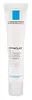
This oil-control moisturizer is formulated around Salicylic Acid and Zinc PCA to balance excess oil and refine the look of pores.

What's inside
What's inside
 Key Ingredients
Benefits
Concerns
Ingredients Side-by-side
Water
Skin ConditioningPropylene Glycol
Humectant


Octyldodecanol
Emollient
Dimethicone
Emollient

PEG-100 Stearate
Surfactant
Glyceryl Stearate
Emollient
Salicylic Acid
Masking








Ammonium Polyacryloyldimethyl Taurate
Emulsion StabilisingZinc PCA
Humectant


Sarcosine
Skin Conditioning
Sodium Hydroxide
BufferingSilica
Abrasive
Silica Silylate
Emollient
Perlite
Absorbent
Carnosine
Skin Conditioning
Disodium EDTA
ChelatingCapryloyl Salicylic Acid
Exfoliating
Xanthan Gum
EmulsifyingPentylene Glycol
Skin Conditioning
Acrylates Copolymer
Cetyl Alcohol
Emollient
Butylene Glycol
Humectant
Tocopherol
Antioxidant

Parfum
Masking

Water, Propylene Glycol, Octyldodecanol, Dimethicone, PEG-100 Stearate, Glyceryl Stearate, Salicylic Acid, Ammonium Polyacryloyldimethyl Taurate, Zinc PCA, Sarcosine, Sodium Hydroxide, Silica, Silica Silylate, Perlite, Carnosine, Disodium EDTA, Capryloyl Salicylic Acid, Xanthan Gum, Pentylene Glycol, Acrylates Copolymer, Cetyl Alcohol, Butylene Glycol, Tocopherol, Parfum
Water
Skin ConditioningGlycerin
Humectant
Sodium Laureth Sulfate
Cleansing
PEG-200 Hydrogenated Glyceryl Palmate
Cleansing
Coco-Betaine
Cleansing
Polysorbate 20
Emulsifying
Citric Acid
Buffering
PEG-7 Glyceryl Cocoate
Emulsifying
Niacinamide
Smoothing

Bixa Orellana Seed Extract
MaskingButyrospermum Parkii Butter
Skin Conditioning

Cocamide Mea
Emulsifying
Glycol Distearate
Emollient
Sodium Chloride
MaskingSodium Hydroxide
BufferingMannose
HumectantDisodium EDTA
ChelatingVitreoscilla Ferment
Skin Conditioning
Maltodextrin
Absorbent
Polyquaternium-11
Acrylates Copolymer
Sodium Benzoate
Masking
Parfum
Masking
Water, Glycerin, Sodium Laureth Sulfate, PEG-200 Hydrogenated Glyceryl Palmate, Coco-Betaine, Polysorbate 20, Citric Acid, PEG-7 Glyceryl Cocoate, Niacinamide, Bixa Orellana Seed Extract, Butyrospermum Parkii Butter, Cocamide Mea, Glycol Distearate, Sodium Chloride, Sodium Hydroxide, Mannose, Disodium EDTA, Vitreoscilla Ferment, Maltodextrin, Polyquaternium-11, Acrylates Copolymer, Sodium Benzoate, Parfum
Reviews
Ingredients Explained
These ingredients are found in both products.
Ingredients higher up in an ingredient list are typically present in a larger amount.
Acrylates Copolymer is used as a film-forming agent and texture enhancer.
After applied, Acrylates Copolymer forms a thin film cover that helps skin feel more soft. It can help sunscreens become more water-resistant.
It is also used to make a product more thick.
Learn more about Acrylates CopolymerDisodium EDTA is a chelating agent. It grabs onto and deactivates metal ions that sneak into your products from water, packaging, or air.
This ingredient mainly works behind the scenes and helps with:
On top of that, this ingredient can counteract the effects of hard water by binding to the minerals in it.
One thing worth knowing is that Disodium EDTA has been shown to be a mild penetration enhancer. It can help other ingredients absorb into skin more effectively which can be a double-edged sword (great for actives, but can also make the active too strong if you have sensitive skin).
Clinical patch testing showed no significant skin irritation at typical use concentrations and minimal dermal absorption.
You'll most likely see this ingredient near the end of an ingredient list. It's typically found in concentrations less than 1%.
Learn more about Disodium EDTAParfum is a catch-all term for an ingredient or more that is used to give a scent to products.
Also called "fragrance", this ingredient can be a blend of hundreds of chemicals or plant oils. This means every product with "fragrance" or "parfum" in the ingredients list is a different mixture.
For instance, Habanolide is a proprietary trade name for a specific aroma chemical. When used as a fragrance ingredient in cosmetics, most aroma chemicals fall under the broad labeling category of “FRAGRANCE” or “PARFUM” according to EU and US regulations.
The term 'parfum' or 'fragrance' is not regulated in many countries. In many cases, it is up to the brand to define this term.
For instance, many brands choose to label themselves as "fragrance-free" because they are not using synthetic fragrances. However, their products may still contain ingredients such as essential oils that are considered a fragrance by INCI standards.
One example is Calendula flower extract. Calendula is an essential oil that still imparts a scent or 'fragrance'.
Depending on the blend, the ingredients in the mixture can cause allergies and sensitivities on the skin. Some ingredients that are known EU allergens include linalool and citronellol.
Parfum can also be used to mask or cover an unpleasant scent.
The bottom line is: not all fragrances/parfum/ingredients are created equally. If you are worried about fragrances, we recommend taking a closer look at an ingredient. And of course, we always recommend speaking with a professional.
Learn more about ParfumSodium Hydroxide is also known as lye or caustic soda. It is used to adjust the pH of products; many ingredients require a specific pH to be effective.
In small amounts, sodium hydroxide is considered safe to use. However, large amounts may cause chemical burns due to its high alkaline.
Your skin has a natural pH and acid mantle. This acid mantle helps prevent harmful bacteria from breaking through. The acid mantle also helps keep your skin hydrated.
"Alkaline" refers to a high pH level. A low pH level would be considered acidic.
Learn more about Sodium HydroxideWater. It's the most common cosmetic ingredient of all. You'll usually see it at the top of ingredient lists, meaning that it makes up the largest part of the product.
So why is it so popular? Water most often acts as a solvent - this means that it helps dissolve other ingredients into the formulation.
You'll also recognize water as that liquid we all need to stay alive. If you see this, drink a glass of water. Remember to stay hydrated!
Learn more about Water

