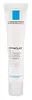
This oil-control moisturizer is formulated around Salicylic Acid and Zinc PCA to balance excess oil and refine the look of pores.

What's inside
What's inside
 Key Ingredients
Benefits
Concerns
Ingredients Side-by-side
Water
Skin ConditioningPropylene Glycol
Humectant


Octyldodecanol
Emollient
Dimethicone
Emollient

PEG-100 Stearate
Surfactant
Glyceryl Stearate
Emollient
Salicylic Acid
Masking








Ammonium Polyacryloyldimethyl Taurate
Emulsion StabilisingZinc PCA
Humectant


Sarcosine
Skin Conditioning
Sodium Hydroxide
BufferingSilica
Abrasive
Silica Silylate
Emollient
Perlite
Absorbent
Carnosine
Skin Conditioning
Disodium EDTA
ChelatingCapryloyl Salicylic Acid
Exfoliating
Xanthan Gum
EmulsifyingPentylene Glycol
Skin Conditioning
Acrylates Copolymer
Cetyl Alcohol
Emollient
Butylene Glycol
Humectant
Tocopherol
Antioxidant

Parfum
Masking

Water, Propylene Glycol, Octyldodecanol, Dimethicone, PEG-100 Stearate, Glyceryl Stearate, Salicylic Acid, Ammonium Polyacryloyldimethyl Taurate, Zinc PCA, Sarcosine, Sodium Hydroxide, Silica, Silica Silylate, Perlite, Carnosine, Disodium EDTA, Capryloyl Salicylic Acid, Xanthan Gum, Pentylene Glycol, Acrylates Copolymer, Cetyl Alcohol, Butylene Glycol, Tocopherol, Parfum
Water
Skin ConditioningCaprylic/Capric Triglyceride
Masking
Coco-Caprylate/Caprate
Emollient
Glycerin
Humectant
Butylene Glycol
Humectant
Parfum
Masking
Steareth-21
CleansingCetyl Alcohol
Emollient
Stearyl Alcohol
Emollient
1,2-Hexanediol
Skin Conditioning
Pentylene Glycol
Skin Conditioning
Butyrospermum Parkii Butter
Skin Conditioning

Cellulose
Absorbent
Silica
Abrasive
Steareth-2
EmulsifyingChlorphenesin
Antimicrobial
Carbomer
Emulsion StabilisingXanthan Gum
EmulsifyingSodium Hydroxide
BufferingOpuntia Coccinellifera Flower Extract
Skin ConditioningTriethyl Citrate
Masking
Caprylyl Glycol
Emollient
Pentaerythrityl Tetra-Di-T-Butyl Hydroxyhydrocinnamate
Antioxidant
Glycine Soja Oil
Emollient

Tocopherol
Antioxidant
Water, Caprylic/Capric Triglyceride, Coco-Caprylate/Caprate, Glycerin, Butylene Glycol, Parfum, Steareth-21, Cetyl Alcohol, Stearyl Alcohol, 1,2-Hexanediol, Pentylene Glycol, Butyrospermum Parkii Butter, Cellulose, Silica, Steareth-2, Chlorphenesin, Carbomer, Xanthan Gum, Sodium Hydroxide, Opuntia Coccinellifera Flower Extract, Triethyl Citrate, Caprylyl Glycol, Pentaerythrityl Tetra-Di-T-Butyl Hydroxyhydrocinnamate, Glycine Soja Oil, Tocopherol
Reviews
Ingredients Explained
These ingredients are found in both products.
Ingredients higher up in an ingredient list are typically present in a larger amount.
Butylene Glycol (or BG) is used within cosmetic products for a few different reasons:
Overall, Butylene Glycol is a safe and well-rounded ingredient that works well with other ingredients.
Though this ingredient works well with most skin types, some people with sensitive skin may experience a reaction such as allergic rashes, closed comedones, or itchiness.
Learn more about Butylene GlycolCetyl Alcohol is a fatty alcohol. Fatty Alcohols are most often used as an emollient or to thicken a product.
Its main roles are:
Though it has "alcohol" in the name, it is not related to denatured alcohol or ethyl alcohol.
The FDA allows products labeled "alcohol-free" to have fatty alcohols.
This ingredient may not be fungal acne safe. It is a primary fatty alcohol with a chain length above 12 carbons. A study from 2019 show Malassezia can feed on fatty alcohols in this range, so it may trigger fungal acne in those prone to it.
Learn more about Cetyl AlcoholParfum is a catch-all term for an ingredient or more that is used to give a scent to products.
Also called "fragrance", this ingredient can be a blend of hundreds of chemicals or plant oils. This means every product with "fragrance" or "parfum" in the ingredients list is a different mixture.
For instance, Habanolide is a proprietary trade name for a specific aroma chemical. When used as a fragrance ingredient in cosmetics, most aroma chemicals fall under the broad labeling category of “FRAGRANCE” or “PARFUM” according to EU and US regulations.
The term 'parfum' or 'fragrance' is not regulated in many countries. In many cases, it is up to the brand to define this term.
For instance, many brands choose to label themselves as "fragrance-free" because they are not using synthetic fragrances. However, their products may still contain ingredients such as essential oils that are considered a fragrance by INCI standards.
One example is Calendula flower extract. Calendula is an essential oil that still imparts a scent or 'fragrance'.
Depending on the blend, the ingredients in the mixture can cause allergies and sensitivities on the skin. Some ingredients that are known EU allergens include linalool and citronellol.
Parfum can also be used to mask or cover an unpleasant scent.
The bottom line is: not all fragrances/parfum/ingredients are created equally. If you are worried about fragrances, we recommend taking a closer look at an ingredient. And of course, we always recommend speaking with a professional.
Learn more about ParfumPentylene Glycol (1,2-pentanediol) is a multitasking little diol with three main roles in a formula:
Research on alkanediols (the family pentylene glycol belongs to) show they work by disrupting microbial cell membranes. This disruption helps the primary preservative system in a product work more effectively at lower doses.
On the safety side, the Cosmetic Ingredient Review Expert Panel has concluded this ingredient to be safe as used in current cosmetic practices + concentrations.
Typical use levels in a formula run about 1-5%.
Learn more about Pentylene GlycolSilica, also known as silicon dioxide, is a naturally occurring mineral. It is used as a fine, spherical, and porous powder in cosmetics.
Though it has exfoliant properties, the function of silica varies depending on the product.
The unique structure of silica enhances the spreadability and adds smoothness, making it a great texture enhancer.
It is also used as an active carrier, emulsifier, and mattifier due to its ability to absorb excess oil.
In some products, tiny microneedles called spicules are made from silica or hydrolyzed sponge. When you rub them in, they lightly polish away dead skin layers and enhance the penetration of active ingredients.
Learn more about SilicaSodium Hydroxide is also known as lye or caustic soda. It is used to adjust the pH of products; many ingredients require a specific pH to be effective.
In small amounts, sodium hydroxide is considered safe to use. However, large amounts may cause chemical burns due to its high alkaline.
Your skin has a natural pH and acid mantle. This acid mantle helps prevent harmful bacteria from breaking through. The acid mantle also helps keep your skin hydrated.
"Alkaline" refers to a high pH level. A low pH level would be considered acidic.
Learn more about Sodium HydroxideTocopherol is a fat-soluble antioxidant known as Vitamin E.
You'll find this ingredient in the vast majority of skincare (for good reason). It works to neutralize free radicals, or unstable molecules generated by UV exposure, pollution, and other environmental stressors, before they can cause oxidative damage to your skin cells.
Topically applied tocopherol has been shown to protect against UV damage by ramping up the skin's own natural defense enzymes.
It also acts as a skin conditioning agent; some studies show that regular topical use can improve the skin's water-binding capacity over 2-4 weeks.
This ingredient is especially loved for being a team player. When combined with Vitamin C, the photoprotective effect of both ingredients roughly doubles and the combo also helps reduce UV-induced DNA damage.
This ingredient has some brightening potential but it's more of a prevention ingredient than spot-fader. Cell studies show it can slow down melanin production but it's worth noting that it's not the most powerful brightener out there.
In formulations, it also serves as a stabilizer that helps protect other oxidation-prone ingredients from degrading.
Concentrations usually range from 0.1-1% in most leave-on products.
Learn more about TocopherolWater. It's the most common cosmetic ingredient of all. You'll usually see it at the top of ingredient lists, meaning that it makes up the largest part of the product.
So why is it so popular? Water most often acts as a solvent - this means that it helps dissolve other ingredients into the formulation.
You'll also recognize water as that liquid we all need to stay alive. If you see this, drink a glass of water. Remember to stay hydrated!
Learn more about WaterXanthan gum is used as a stabilizer and thickener within cosmetic products. It helps give products a sticky, thick feeling - preventing them from being too runny.
On the technical side of things, xanthan gum is a polysaccharide - a combination consisting of multiple sugar molecules bonded together.
Xanthan gum is a pretty common and great ingredient. It is a natural, non-toxic, non-irritating ingredient that is also commonly used in food products.
Learn more about Xanthan Gum

