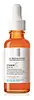
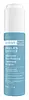
La Roche-Posay 10% Pure Vitamin C Serum Versus Paula's Choice Resist Advanced Pore-Refining Treatment 4% BHA
This brightening serum is formulated around Ascorbic Acid and Salicylic Acid to brighten dull-looking skin and refine skin texture.
This pore-care exfoliator is formulated around Salicylic Acid and Dipotassium Glycyrrhizate to refine the look of pores and refine skin texture.


What's inside
What's inside
 Key Ingredients
Benefits
Concerns
Ingredients Side-by-side
Water
Skin ConditioningAscorbic Acid
Antioxidant






Cyclohexasiloxane
Emollient
Glycerin
Humectant

Alcohol Denat.
Antimicrobial




Potassium Hydroxide
BufferingPolymethylsilsesquioxane
Polysilicone-11

Dimethicone
Emollient
Propylene Glycol
Humectant
Pentaerythrityl Tetraethylhexanoate
Emollient
C13-14 Isoparaffin
Emollient
Tocopherol
Antioxidant

Sodium Hyaluronate
Humectant
Hydrolyzed Hyaluronic Acid
Humectant
Adenosine
Skin Conditioning
Acetyl Dipeptide-1 Cetyl Ester
Skin Conditioning
PEG-20 Methyl Glucose Sesquistearate
Emulsifying
Poloxamer 338
EmulsifyingSalicylic Acid
Masking



Polyacrylamide
Toluene Sulfonic Acid
SurfactantAmmonium Polyacryloyldimethyl Taurate
Emulsion StabilisingXanthan Gum
EmulsifyingCaprylyl Glycol
Emollient
Disodium EDTA
ChelatingBHT
Antioxidant
Laureth-7
EmulsifyingParfum
Masking

Water, Ascorbic Acid, Cyclohexasiloxane, Glycerin, Alcohol Denat., Potassium Hydroxide, Polymethylsilsesquioxane, Polysilicone-11, Dimethicone, Propylene Glycol, Pentaerythrityl Tetraethylhexanoate, C13-14 Isoparaffin, Tocopherol, Sodium Hyaluronate, Hydrolyzed Hyaluronic Acid, Adenosine, Acetyl Dipeptide-1 Cetyl Ester, PEG-20 Methyl Glucose Sesquistearate, Poloxamer 338, Salicylic Acid, Polyacrylamide, Toluene Sulfonic Acid, Ammonium Polyacryloyldimethyl Taurate, Xanthan Gum, Caprylyl Glycol, Disodium EDTA, BHT, Laureth-7, Parfum
Water
Skin ConditioningButylene Glycol
Humectant
Dimethicone
Emollient
Salicylic Acid
Masking
Hydroxyethyl Acrylate/Sodium Acryloyldimethyl Taurate Copolymer
Emulsion StabilisingGlycerin
Humectant
Aminomethyl Propanol
BufferingAdenosine
Skin Conditioning
Allantoin
Skin Conditioning
Dipotassium Glycyrrhizate
Humectant
Vitis Vinifera Seed Extract
Antimicrobial
Avena Sativa Bran Extract
Abrasive
Punica Granatum Fruit Extract
Antioxidant
Sambucus Nigra Fruit Extract
AstringentCamellia Oleifera Leaf Extract
AstringentCamellia Sinensis Leaf Extract
Antimicrobial
Chamomilla Recutita Flower Extract
Masking
Lycium Barbarum Fruit Extract
Astringent
Peucedanum Graveolens Extract
TonicHydrogenated Lecithin
Emulsifying
Xanthan Gum
EmulsifyingCitric Acid
Buffering
Disodium EDTA
ChelatingBenzyl Alcohol
Perfuming
Phenoxyethanol
Preservative
Water, Butylene Glycol, Dimethicone, Salicylic Acid, Hydroxyethyl Acrylate/Sodium Acryloyldimethyl Taurate Copolymer, Glycerin, Aminomethyl Propanol, Adenosine, Allantoin, Dipotassium Glycyrrhizate, Vitis Vinifera Seed Extract, Avena Sativa Bran Extract, Punica Granatum Fruit Extract, Sambucus Nigra Fruit Extract, Camellia Oleifera Leaf Extract, Camellia Sinensis Leaf Extract, Chamomilla Recutita Flower Extract, Lycium Barbarum Fruit Extract, Peucedanum Graveolens Extract, Hydrogenated Lecithin, Xanthan Gum, Citric Acid, Disodium EDTA, Benzyl Alcohol, Phenoxyethanol
Reviews
Ingredients Explained
These ingredients are found in both products.
Ingredients higher up in an ingredient list are typically present in a larger amount.
Adenosine is a purine nucleoside that your body already makes in every cell. In skincare, it acts mainly as a skin conditioning and anti-aging agent.
The way it works is fairly well mapped out:
Your skin has cells called fibroblasts that build collagen (the stuff that keeps skin firm and smooth). Adenosine basically flips a switch on these cells that tells them to get to work making more collagen and other proteins. These cells slow down on their own as skin ages, so Adenosine helps give them a little nudge to keep going.
The clinical backing is pretty solid too.
A blind, randomized, placebo-controlled trial of 126 women aged 45-65 tested a 0.1% cream twice daily and found real improvements in crow's feet and frown lines using a precise 3D skin-mapping technique; these changes showed up by week 3 and held at 2 months.
A later study using Adenosine-loaded dissolving microneedle patches reported gains in wrinkle depth, dermal density, elasticity, and hydration.
On concentrations, South Korea's Ministry of Food and Drug Safety has set 0.04% as the approved functional anti-wrinkle level. You'll typically see this ingredient used somewhere in the 0.04-0.1% range since it works at low doses.
This ingredient has been found safe for cosmetics with the data showing no irritation or sensitization.
Overall, this is a great ingredient for any anti-aging routine and has no photosensitizing effect, so it suits both AM and PM use.
Learn more about AdenosineDimethicone is a type of synthetic silicone created from natural materials such as quartz. It is also known as polydimethylsiloxane.
What it does:
Dimethicone comes in different viscosities:
Depending on the viscosity, dimethicone has different properties.
Ingredients lists don't always show which type is used, so we recommend reaching out to the brand if you have questions about the viscosity.
This ingredient is unlikely to cause irritation because it does not get absorbed into skin. However, people with silicone allergies should be careful about using this ingredient.
Note: Dimethicone may contribute to pilling. This is because it is not oil or water soluble, so pilling may occur when layered with products. When mixed with heavy oils in a formula, the outcome is also quite greasy.
Learn more about DimethiconeDisodium EDTA is a chelating agent. It grabs onto and deactivates metal ions that sneak into your products from water, packaging, or air.
This ingredient mainly works behind the scenes and helps with:
On top of that, this ingredient can counteract the effects of hard water by binding to the minerals in it.
One thing worth knowing is that Disodium EDTA has been shown to be a mild penetration enhancer. It can help other ingredients absorb into skin more effectively which can be a double-edged sword (great for actives, but can also make the active too strong if you have sensitive skin).
Clinical patch testing showed no significant skin irritation at typical use concentrations and minimal dermal absorption.
You'll most likely see this ingredient near the end of an ingredient list. It's typically found in concentrations less than 1%.
Learn more about Disodium EDTAGlycerin (or glycerol) is a compound naturally found in your skin. It's a powerhouse humectant that pulls water into the stratum corneum.
Topically, glycerin does several things at once:
Your skin makes glycerin on its own (mostly from sebaceous oil breakdown) and shuttles it to your outermost layer of skin, or your epidermis, via aquaporin-3.
Aquaporin-3 is a transporter that is essential for normal skin hydration, elasticity, and repair. Interestingly, mice lacking in AQP3 have dry and less elastic skin that can be fully corrected with glycerin.
This ingredient is non-irritating, plays well with almost every ingredient, and works across all skin types. Typical use is anywhere between 3-10% but can go up to 79% in some leave-on products.
Just know very high concentrations (>40%) can feel tacky in low humidity.
Glycerin is the name for this ingredient in American English. British English uses Glycerol/Glycerine.
Learn more about GlycerinSalicylic Acid (also known as beta hydroxy acid or BHA) is a well-known ingredient for treating skin that struggles with acne and clogged pores. It exfoliates both the skin's surface and deep within the pores to help clear out buildup, control oil, and reduce inflammation.
Unlike AHAs (alpha hydroxy acids), salicylic acid is oil-soluble. This allows it to penetrate into pores which makes it especially effective for treating blackheads and preventing future breakouts.
Salicylic acid is also known for its soothing properties. It has a similar structure to aspirin and can calm inflamed or irritated skin, making it a good option for acne-prone skin that is also sensitive.
Concentrations of 0.5-2% are recognized by the U.S. FDA as an over-the-counter topical acne product.
It can cause irritation and/or dryness if one's skin already has a compromised moisture barrier, so it's best to focus on repairing that before introducing this ingredient into your routine.
While salicylic acid does not increase sun sensitivity, it’s still important to wear sunscreen daily to protect your skin.
If you are looking for the ingredient called BHA or Butylated Hydroxyanisole, click here.
Learn more about Salicylic AcidWater. It's the most common cosmetic ingredient of all. You'll usually see it at the top of ingredient lists, meaning that it makes up the largest part of the product.
So why is it so popular? Water most often acts as a solvent - this means that it helps dissolve other ingredients into the formulation.
You'll also recognize water as that liquid we all need to stay alive. If you see this, drink a glass of water. Remember to stay hydrated!
Learn more about WaterXanthan gum is used as a stabilizer and thickener within cosmetic products. It helps give products a sticky, thick feeling - preventing them from being too runny.
On the technical side of things, xanthan gum is a polysaccharide - a combination consisting of multiple sugar molecules bonded together.
Xanthan gum is a pretty common and great ingredient. It is a natural, non-toxic, non-irritating ingredient that is also commonly used in food products.
Learn more about Xanthan Gum

